
Jordan 1,500 Sheep Farm Project
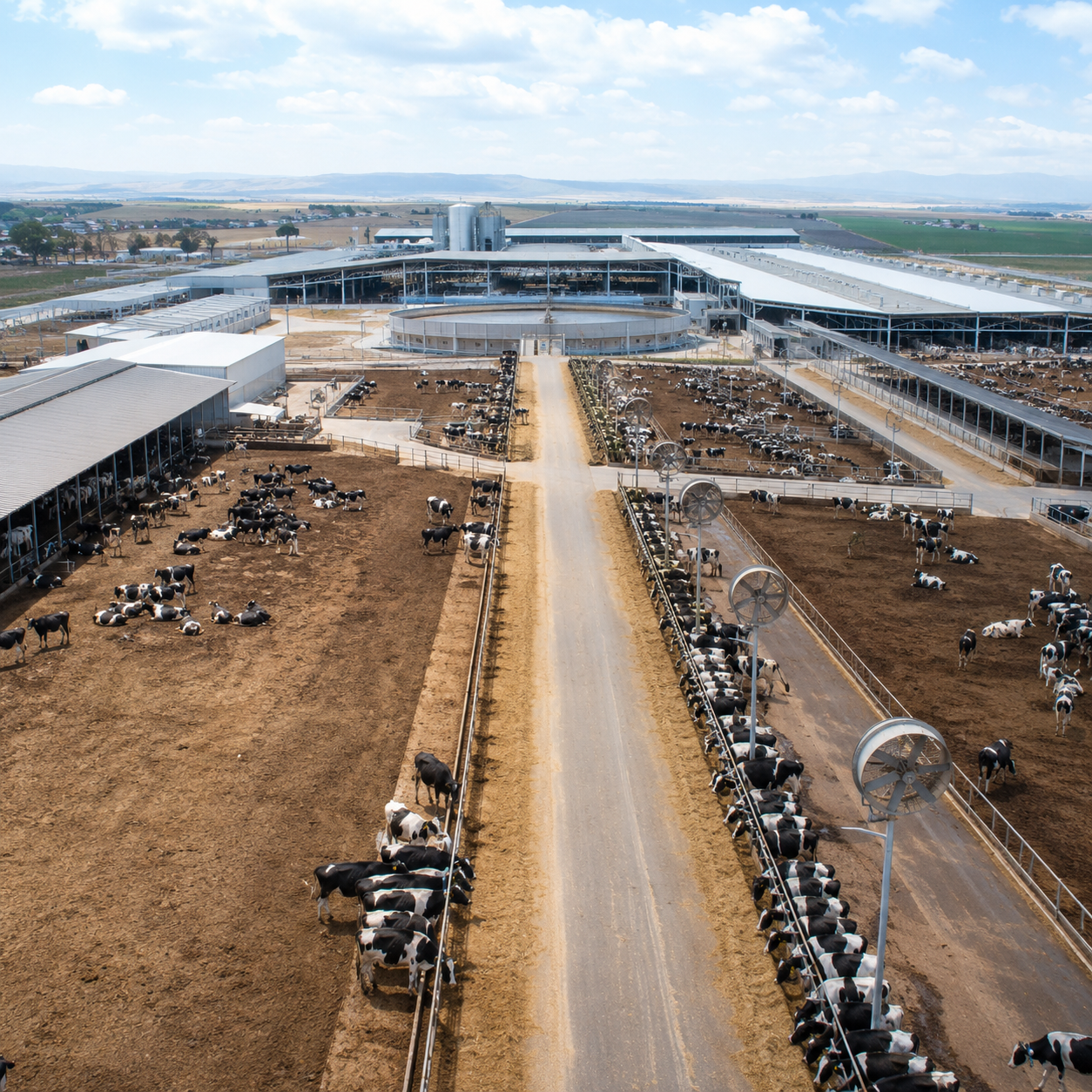
In recent years, the sheep farming industry in the Middle East has experienced rapid development due to increasing demand for high-quality lamb and dairy products. As one of the important agricultural countries in the region, Jordan has been actively promoting modern livestock farming technologies to improve production efficiency, animal welfare, and food security. Against this background, the Jordan 1,500 Sheep Farm Project was designed as a modern, efficient, and environmentally friendly sheep breeding facility that combines advanced livestock equipment with practical farm management solutions suitable for local climatic conditions.
The project aims to establish a high-standard commercial sheep farm capable of supporting approximately 1,500 sheep through scientific housing design, modern manure management systems, and durable flooring solutions. The entire farm focuses on improving breeding efficiency, reducing labor costs, enhancing animal health, and creating a sustainable farming environment.
Project Overview
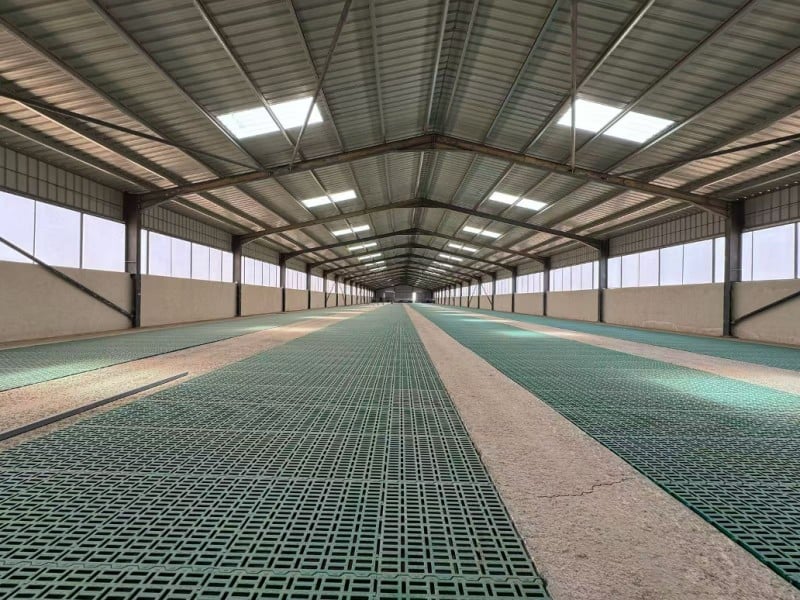
The sheep farm adopts a semi-steel structure building system, which provides both structural strength and cost efficiency. Compared with traditional concrete livestock buildings, semi-steel structures offer several advantages, including faster construction speed, lower maintenance costs, better ventilation performance, and greater flexibility for future expansion.
The sheep house is specially designed to adapt to Jordan’s dry and hot climate. The building combines steel columns, roof trusses, and insulated roofing materials to create a comfortable indoor environment for the animals. The structure is engineered to withstand high temperatures, strong sunlight, and seasonal winds commonly found in Middle Eastern regions.
The project includes:
The overall design emphasizes automation, hygiene, and efficient farm operation.
Semi-Steel Structure Design
The sheep house adopts a semi-steel structure design, which combines steel framework with practical wall and roofing materials. This construction method significantly reduces the overall project cost while maintaining excellent durability and stability.
The steel structure provides several important benefits:
1. High Structural Strength
The steel frame ensures strong resistance against wind loads and harsh weather conditions. This is particularly important in Jordan, where seasonal sandstorms and high temperatures can affect traditional livestock buildings.
2. Faster Construction
Compared with reinforced concrete buildings, semi-steel structures can be prefabricated and installed quickly. This reduces construction time and allows the farm to begin operation sooner.
3. Better Ventilation
The open-span steel structure allows improved airflow inside the sheep house. Good ventilation is essential for reducing heat stress, controlling humidity, and minimizing respiratory diseases among sheep.
4. Future Expansion Capability
The modular design allows the farm owner to expand the facility in the future by adding additional sheep houses or equipment with minimal structural modification.
Sloped Manure Cleaning System
One of the key highlights of this project is the sloped manure cleaning system. Efficient manure management is extremely important in large-scale sheep farming because it directly affects animal health, farm hygiene, and labor efficiency.
The sheep house floor is designed with a slight slope that allows manure and wastewater to move naturally toward designated collection channels. This design greatly reduces manual cleaning work and improves sanitation conditions inside the barn.
Advantages of the Sloped Cleaning System
Improved Hygiene
Regular and efficient manure removal reduces bacterial growth, ammonia concentration, and unpleasant odors inside the sheep house. A cleaner environment significantly lowers the risk of disease transmission.
Reduced Labor Costs
Traditional sheep farms often require intensive manual cleaning. The sloped manure system minimizes labor requirements and improves operational efficiency.
Better Environmental Protection
Collected manure can be processed and reused as organic fertilizer for agricultural production, supporting environmentally sustainable farming practices.
Enhanced Animal Welfare
Dry and clean flooring conditions help reduce hoof diseases, skin infections, and stress among sheep, improving overall productivity and animal comfort.
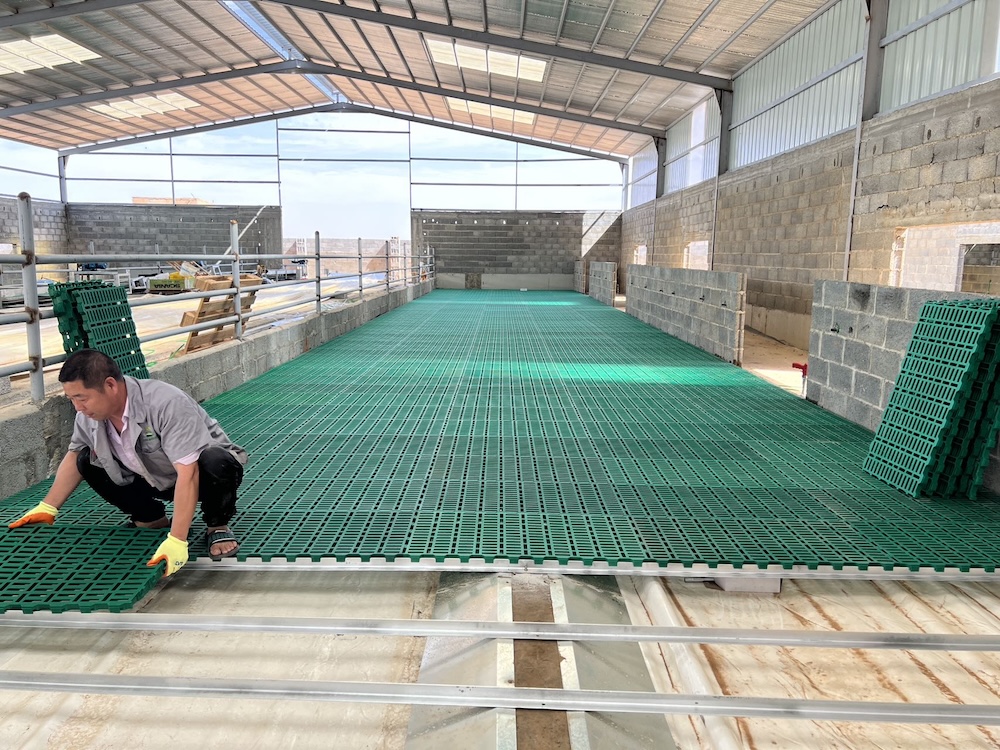
Plastic Slatted Flooring System
The project utilizes high-quality plastic slatted flooring specifically designed for sheep farming. This flooring system plays a critical role in maintaining cleanliness and improving livestock health.
Unlike traditional concrete floors, plastic slatted flooring provides a softer and warmer surface for sheep while allowing manure to pass through the floor gaps efficiently.
Benefits of Plastic Flooring
Improved Animal Comfort
Plastic flooring offers better elasticity and thermal insulation compared with concrete surfaces. This helps reduce joint injuries and stress, especially for pregnant ewes and young lambs.
Excellent Hygiene Performance
The slatted design allows manure and urine to fall below the floor surface, keeping the animals cleaner and drier.
Corrosion Resistance
Plastic materials are highly resistant to moisture, chemicals, and livestock waste, ensuring long-term durability even under intensive farming conditions.
Easy Installation and Maintenance
The modular plastic floor panels are lightweight and easy to install. Damaged sections can be replaced individually, reducing maintenance costs.
Disease Prevention
Dry flooring conditions help reduce bacterial growth and lower the incidence of foot rot and other infectious diseases.
Ventilation and Environmental Control
Maintaining proper environmental conditions is essential for successful sheep farming in hot climates like Jordan. The project incorporates a natural and mechanical ventilation system to regulate indoor temperature and air quality.
The ventilation design includes:
These systems help remove excess heat, moisture, dust, and harmful gases from the sheep house. Proper airflow improves feed intake, growth performance, and reproductive efficiency.
Feeding and Watering System
The farm is equipped with efficient feeding and watering systems to ensure stable nutrition supply for all sheep. Feed troughs are designed to minimize feed waste while allowing easy access for animals.
Automatic drinking systems provide continuous access to clean water, which is particularly important in Jordan’s dry climate. Reliable water supply supports healthy growth and reduces stress during hot weather.
Animal Welfare and Productivity
Modern livestock farming increasingly emphasizes animal welfare as a key factor influencing production performance. This project integrates multiple design features that improve sheep comfort and health.
The combination of clean flooring, proper ventilation, efficient manure management, and optimized feeding systems creates a low-stress environment for the animals. As a result, the farm can achieve:
Healthy animals ultimately contribute to higher farm profitability and long-term business sustainability.
Economic and Social Impact
The Jordan 1,500 Sheep Farm Project not only improves livestock production efficiency but also contributes to local agricultural development. The project can create employment opportunities for farm workers, technicians, equipment suppliers, and feed producers.
In addition, modern sheep farming technologies help strengthen local food security by increasing domestic meat and dairy production capacity. The project also demonstrates the potential of integrating modern agricultural engineering with sustainable livestock management practices in Middle Eastern countries.
Conclusion
The Jordan 1,500 Sheep Farm Project represents a modern approach to commercial sheep farming through the integration of semi-steel structure buildings, sloped manure cleaning systems, and plastic slatted flooring technology. The project focuses on efficiency, hygiene, animal welfare, and sustainability while addressing the environmental challenges of the Middle East region.
By adopting advanced farm infrastructure and scientific management concepts, the project provides a reliable model for future large-scale sheep farming development in Jordan and surrounding countries. With improved production performance, reduced operational costs, and enhanced animal health, the farm is expected to achieve strong economic returns and long-term sustainable growth.
Zhengzhou Jinhui Agricultural S&T Co., Ltd. provides livestock equipment & smart farm one-stop solutions for global poultry, swine & sheep farms. CE/ISO-certified, OEM/ODM support, 15+ years’ export experience. Request a project assessment today.
Room 1318, 13/F, Building A, Yingxie Plaza, 138 Zhengbian Road, Jinshui District, Zhengzhou City, Henan Province
Copyright © 2026 Zhengzhou Jinhui Agricultural S&T Co., Ltd. All rights reserved. Privacy Policy
 EN
EN