Dominican Republic 15,000 Breeding Chicken Farming Project
The poultry industry in the Caribbean region has been expanding steadily in response to growing demand for high-quality poultry meat and eggs. As an important agricultural economy in the region, the Dominican Republic is increasingly investing in modern livestock infrastructure to improve domestic food supply capacity and reduce reliance on imports. The 15,000 Breeding Chicken Farming Project is a modern, large-scale breeder farm designed to produce high-quality parent stock, ensure stable chick supply, and support the downstream broiler production chain.
This project integrates advanced breeding management systems, automated environmental control technology, strict biosecurity measures, and efficient feeding systems to create a high-performance poultry production base suitable for tropical climate conditions.
Project Overview
The Dominican Republic 15,000 breeding chicken farm is designed as a high-standard breeder operation specializing in parent stock production. The farm focuses on maintaining genetic quality, improving hatchability rates, and ensuring consistent production of healthy day-old chicks for commercial broiler farms.
The project scale includes:
Farm Layout and Infrastructure Design
The farm adopts a scientifically planned layout divided into production zones, isolation zones, feed storage areas, hatchery support zones, and administrative facilities. This zoning system ensures biosecurity while improving operational efficiency.
1. Breeder Chicken Houses
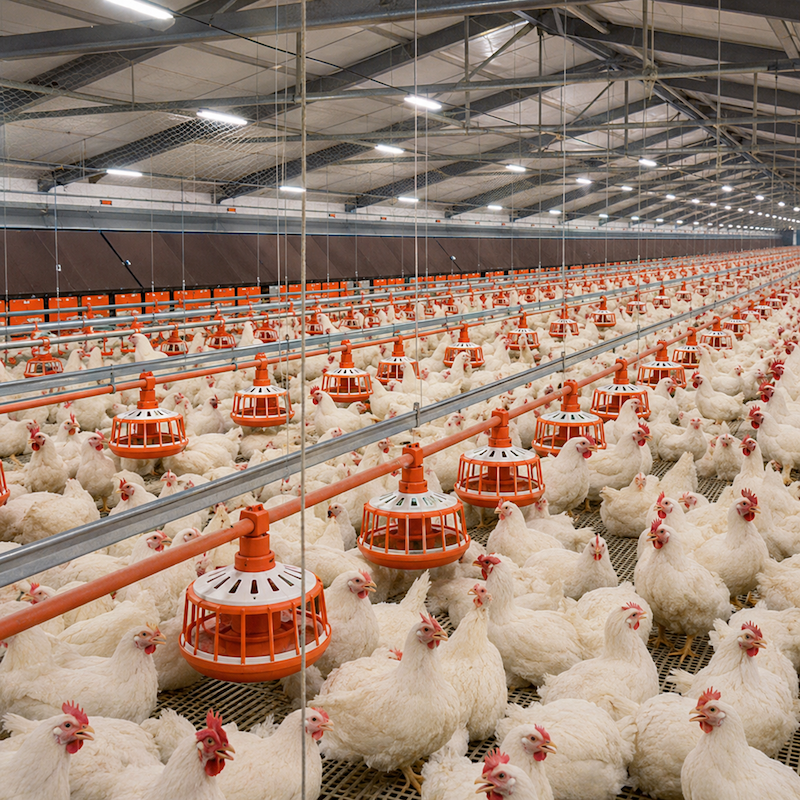
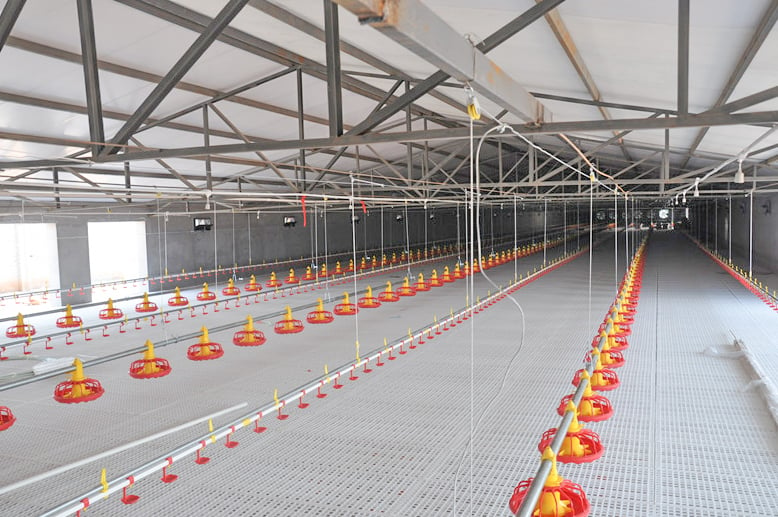
The core of the project consists of multiple environmentally controlled breeder chicken houses. Each house is designed to optimize stocking density, ventilation, and egg production performance.
Key features include:
These houses are optimized for tropical climate conditions, where temperature and humidity control are critical for reproductive performance.
2. Cage or Floor System Design
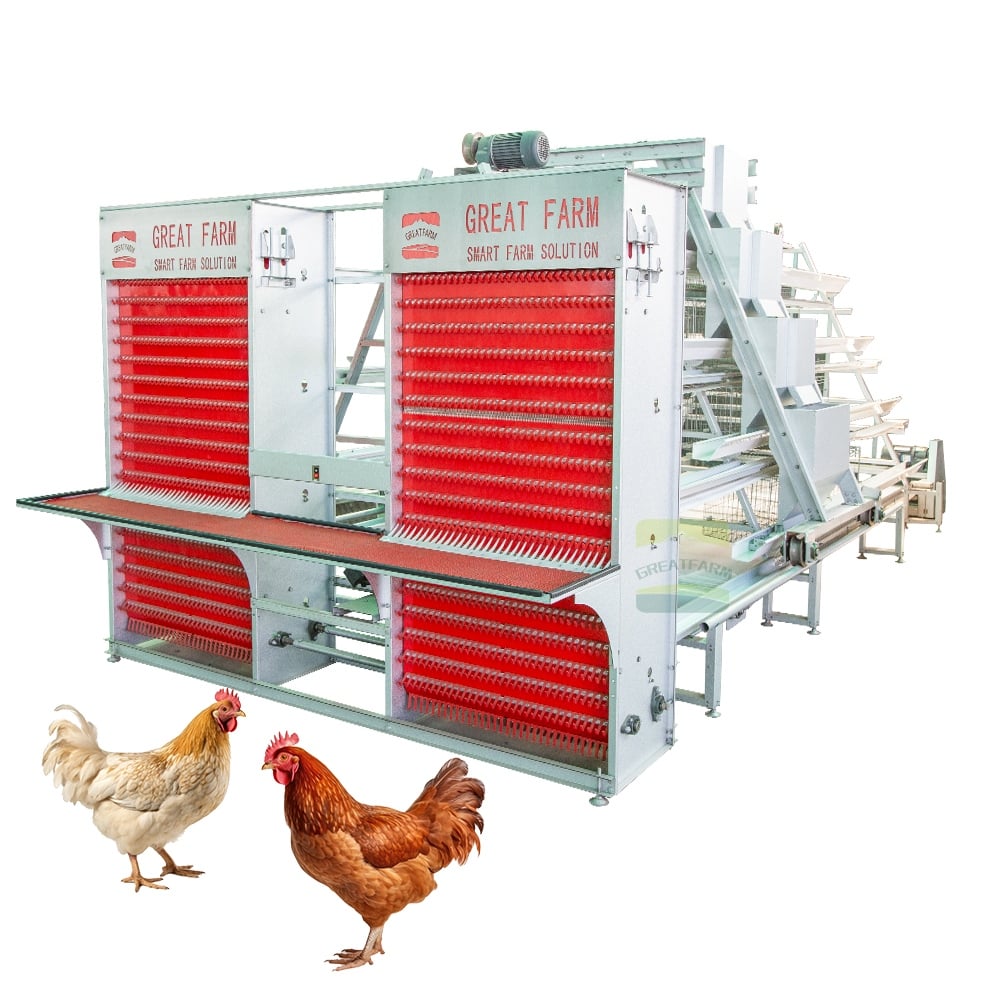
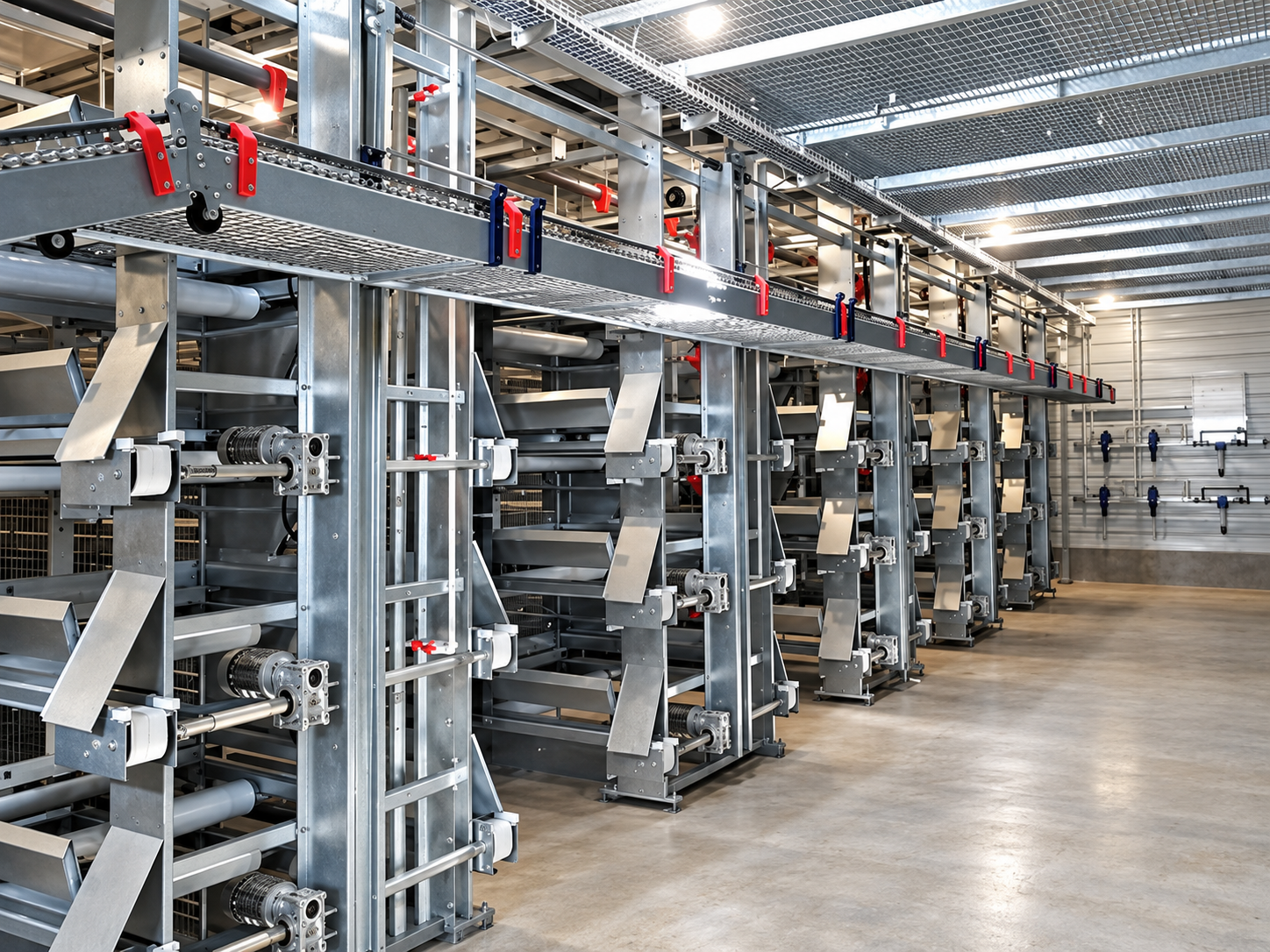
Depending on customer requirements, the farm may adopt either a breeder cage system or a floor-based system with nest boxes.
Cage Breeding System
Floor Breeding System
Both systems are designed to maintain high fertility and hatchability rates while balancing cost and productivity.
Environmental Control System
Given the tropical climate of the Dominican Republic, environmental control is a critical part of the project. High temperature and humidity can significantly affect egg production, fertility, and hatchability if not properly managed.
The environmental system includes:
Maintaining optimal conditions (typically 18–24°C for breeders) helps improve feed conversion efficiency and reproductive performance.
Feeding and Nutrition System
The project adopts a fully automated feeding system designed to ensure accurate and uniform feed distribution across all breeder chickens.
Key Features:
Breeder chickens require carefully formulated diets to maintain:
Feed formulation typically includes balanced protein levels, vitamins, minerals, and energy sources to support reproductive performance.
Egg Collection and Handling System
Egg quality is one of the most important performance indicators in breeder farms. The project incorporates an efficient egg collection system to reduce breakage and contamination.
System Components:
Collected eggs are carefully handled and transferred to hatcheries to ensure maximum hatchability.
Biosecurity and Disease Control
Biosecurity is a critical component of breeder chicken farming, especially in tropical regions where disease pressure is high.
The farm design includes:
These measures significantly reduce the risk of disease outbreaks such as Newcastle disease, avian influenza, and infectious bronchitis.
Waste Management and Environmental Protection
The project incorporates an efficient manure management system to maintain environmental cleanliness and sustainability.
Key systems include:
Processed manure can be reused as agricultural fertilizer, supporting circular agriculture and reducing environmental impact.
Labor Efficiency and Automation
Modern poultry farming relies heavily on automation to reduce labor costs and improve operational consistency. The 15,000 breeder chicken project integrates:
These technologies reduce manual labor requirements while improving production accuracy and farm management efficiency.
Economic Benefits
The breeder farm provides strong economic value by supplying high-quality fertilized eggs or day-old chicks to the poultry industry. Key benefits include:
The poultry sector in the Dominican Republic is growing, and breeder farms play a crucial role in supporting broiler production chains and food security.
Conclusion
The Dominican Republic 15,000 Breeding Chicken Farming Project represents a modern, efficient, and scalable poultry breeding system designed for tropical climate conditions. By integrating advanced environmental control, automated feeding and egg collection systems, strict biosecurity measures, and efficient farm layout planning, the project ensures high productivity and sustainable operation.
As demand for poultry products continues to rise in the Caribbean region, this breeder farm model provides a reliable foundation for developing a fully integrated poultry industry, from parent stock breeding to commercial meat production.
Zhengzhou Jinhui Agricultural S&T Co., Ltd. provides livestock equipment & smart farm one-stop solutions for global poultry, swine & sheep farms. CE/ISO-certified, OEM/ODM support, 15+ years’ export experience. Request a project assessment today.
Room 1318, 13/F, Building A, Yingxie Plaza, 138 Zhengbian Road, Jinshui District, Zhengzhou City, Henan Province
Copyright © 2026 Zhengzhou Jinhui Agricultural S&T Co., Ltd. All rights reserved. Privacy Policy
 EN
EN