EN
EN
Core Water Line
Pipework, Filter & Pressure Regulation
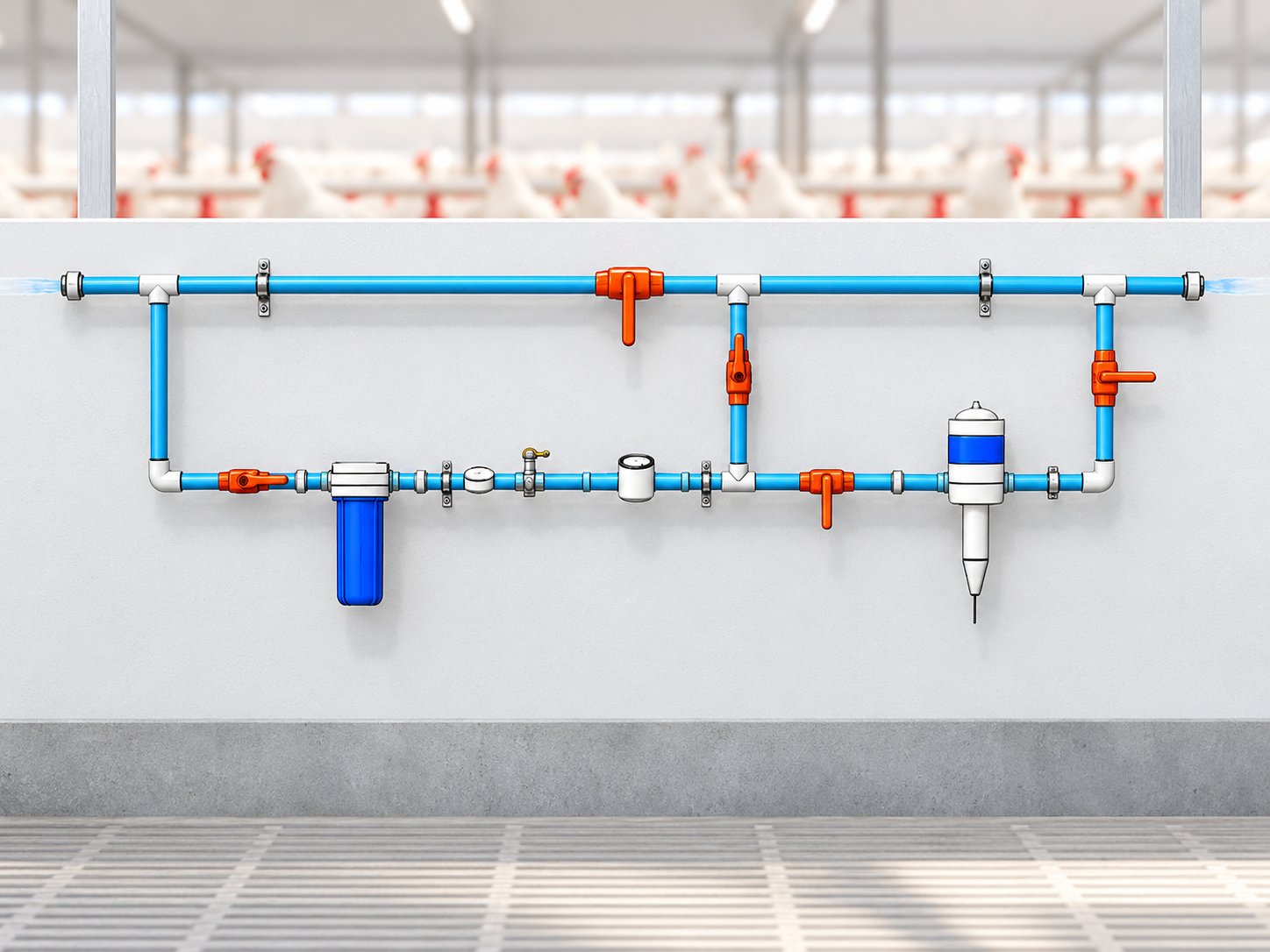
The basic line generally includes inlet pipework, shut-off valves, filtration, pressure regulator and end flushing section. Stable line pressure helps birds access water more consistently.

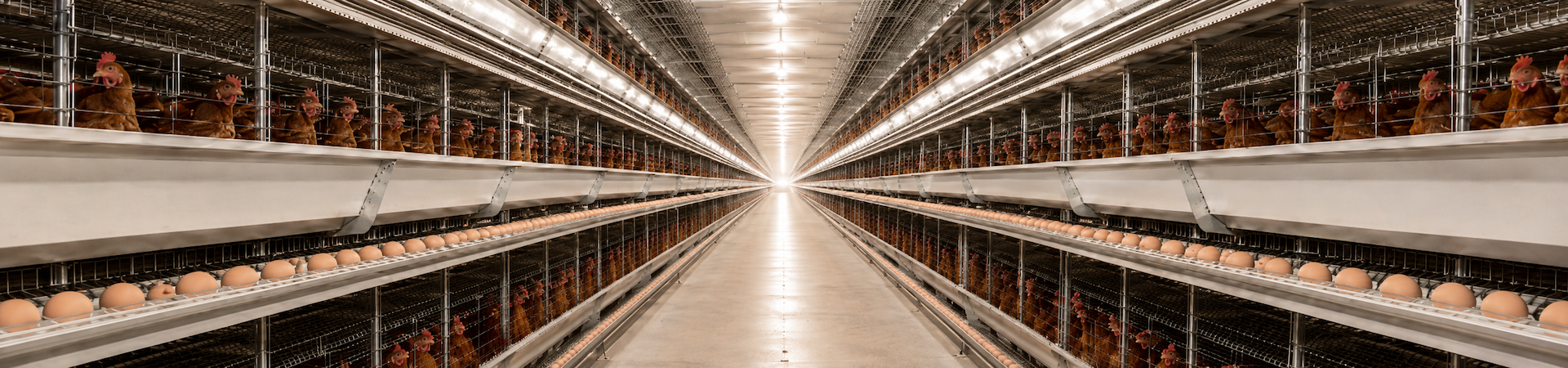
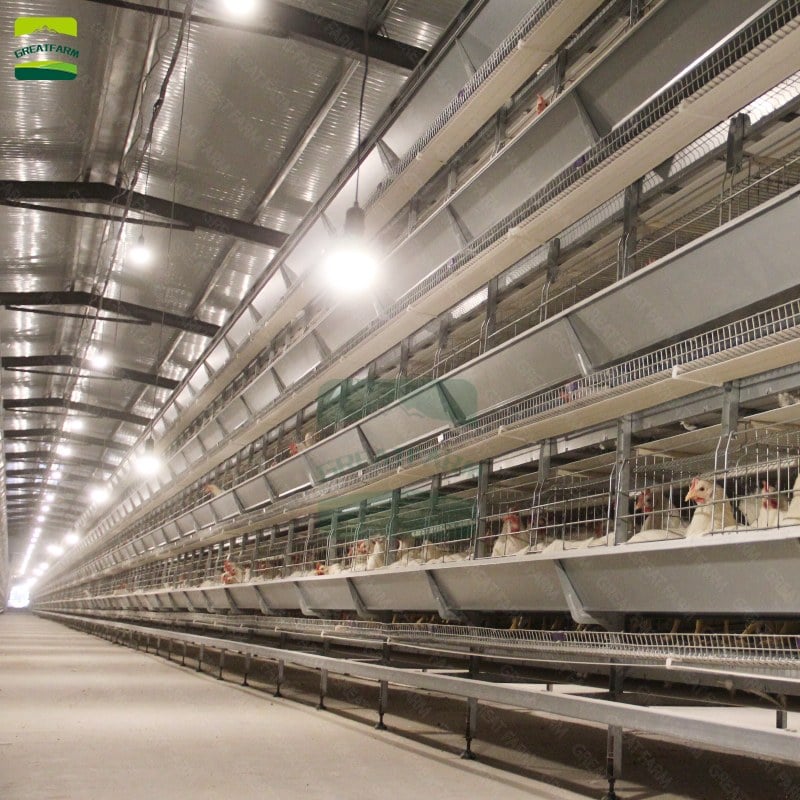
A practical water-supply solution for broilers, pullets, layers and breeders. The system is built around clean water delivery, stable pressure control and convenient daily management.
The final system can be configured according to bird type, building size and management preference. Below are the common drinking modules used in poultry houses.
The basic line generally includes inlet pipework, shut-off valves, filtration, pressure regulator and end flushing section. Stable line pressure helps birds access water more consistently.
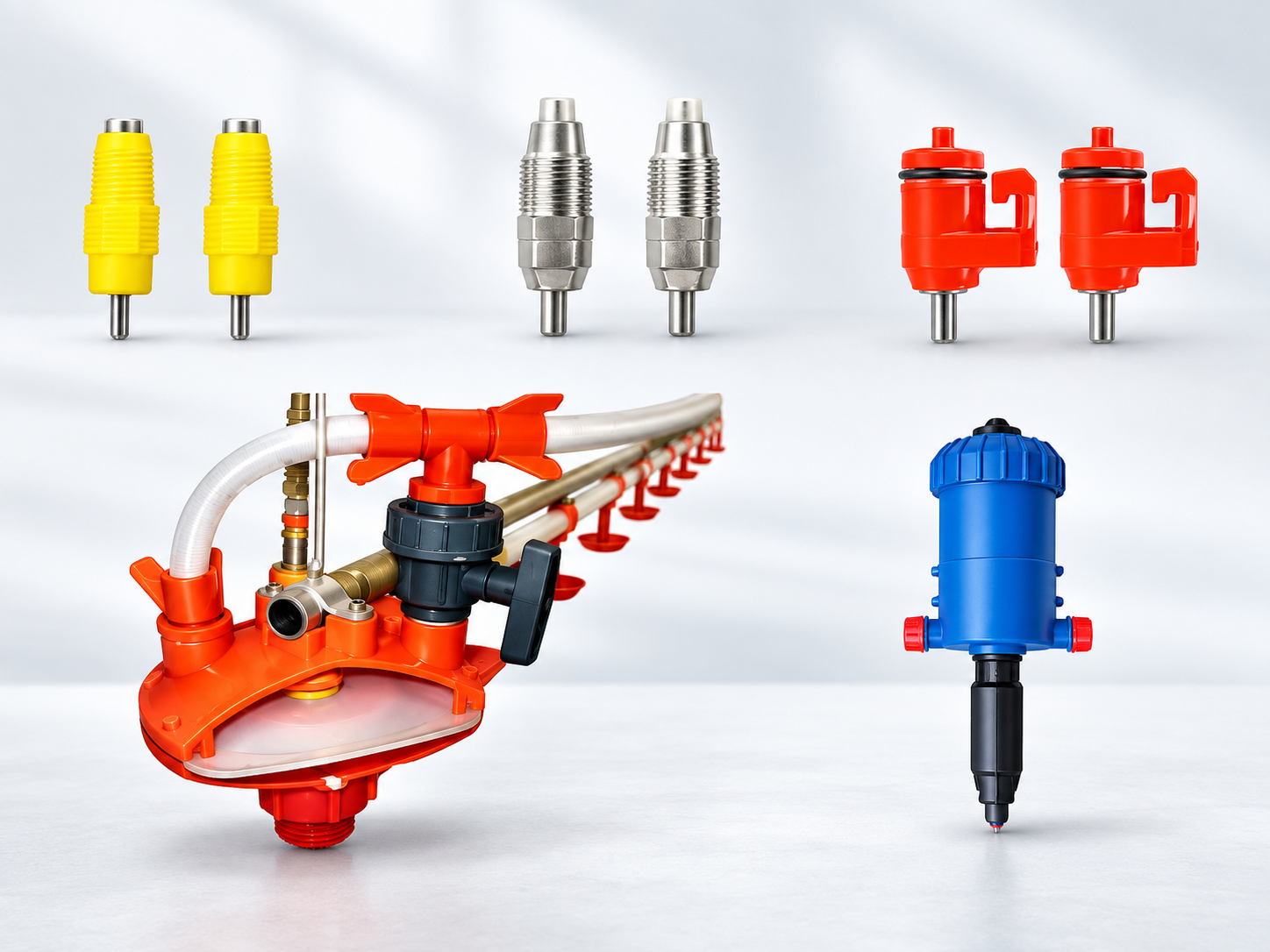
Common parts include stainless nipples, nipple bodies, drip cups, suspension parts and medication / dosing accessories. Different nipple types can be selected for chicks or older birds.
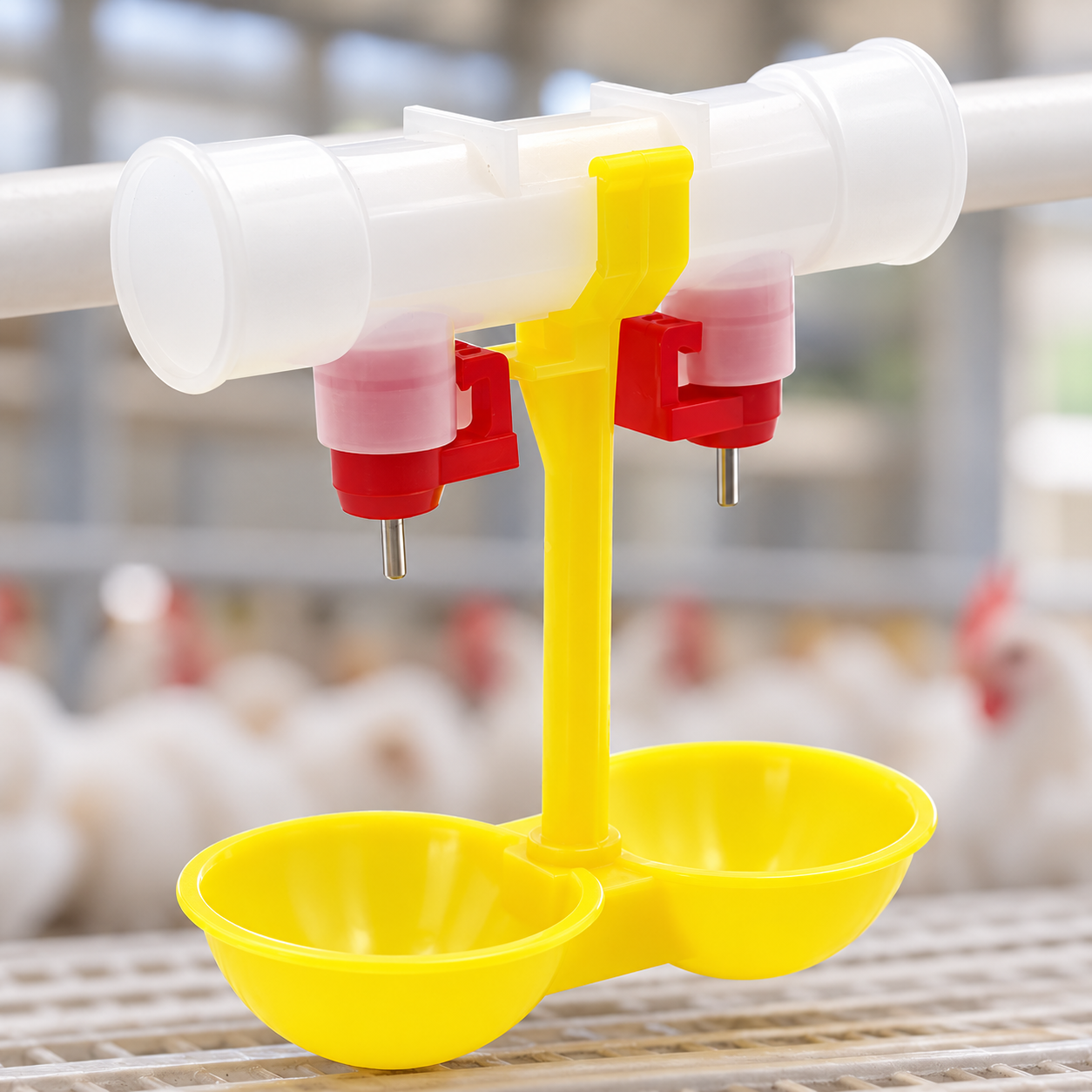
Double cup drinkers are often used in chick or small-bird applications where easy access and visible water points are preferred during early-stage management.
These are practical reference points used for discussion and layout planning. Final model selection and quantities should be confirmed against the real project conditions.
Please share the house type, bird type, target capacity and water-source condition. This helps us recommend the correct nipple option, regulator layout and drinking-line quantity.
| System Scope | Water inlet assembly, filtration, pressure regulation, medication / dosing connection, nipple drinking lines, hanging system and line-end flushing as required. |
| Applicable Poultry Houses | Broiler, pullet, layer and breeder houses; some auxiliary drinkers can also be used in chick brooding areas. |
| Common Nipple Options | 360° nipples are commonly used for chicks; 180° or higher-flow nipple types are commonly used for broilers, layers and breeders. |
| Birds per Nipple | As a common reference: about 10–15 chicks per nipple, 10–12 broilers per nipple, and around 8–12 layers / breeders per nipple. Final design depends on management level and stocking density. |
| Pressure Control | Line pressure is normally adjusted by a regulator according to bird age and drinking height. Stable pressure is important to reduce leakage and support uniform water access. |
| Filtration | Replaceable filter elements are commonly used in the main inlet line. Multi-stage filtration or additional water treatment can be configured if the source water quality requires it. |
| Height Adjustment | The nipple line is generally suspended and can be adjusted upward as birds grow, helping keep the drinking point at a practical height. |
| Optional Drinkers | Double cup drinkers, bell drinkers and bucket-type drinkers can be selected for brooding, backup use or management preference. |
| Data Needed for Final Proposal | House dimensions, bird type, target bird quantity, drinker preference, water-source quality, inlet water pressure and any special biosecurity or medication requirements. |
Send us your house size, bird type and target capacity. We can suggest a practical configuration with the suitable drinker type and line layout.
Get a Solution ProposalA standard poultry drinking system focuses on clean water entry, pressure stabilization, controlled delivery and convenient daily flushing and maintenance.
Water enters from the source line and passes through the shut-off valve and primary filter assembly.
The regulator stabilizes line pressure. A dosing or medication connection can be added when management requires it.
Water is delivered through nipple lines or auxiliary drinkers. The correct line height helps birds drink more comfortably.
The line-end section allows flushing. Regular cleaning and filter maintenance help keep the system working reliably.
Different poultry farms may use nipple lines only, or combine them with auxiliary drinkers for brooding, temporary holding or backup use.
Useful for chicks or small birds that need clearly visible access to water in the early stage.
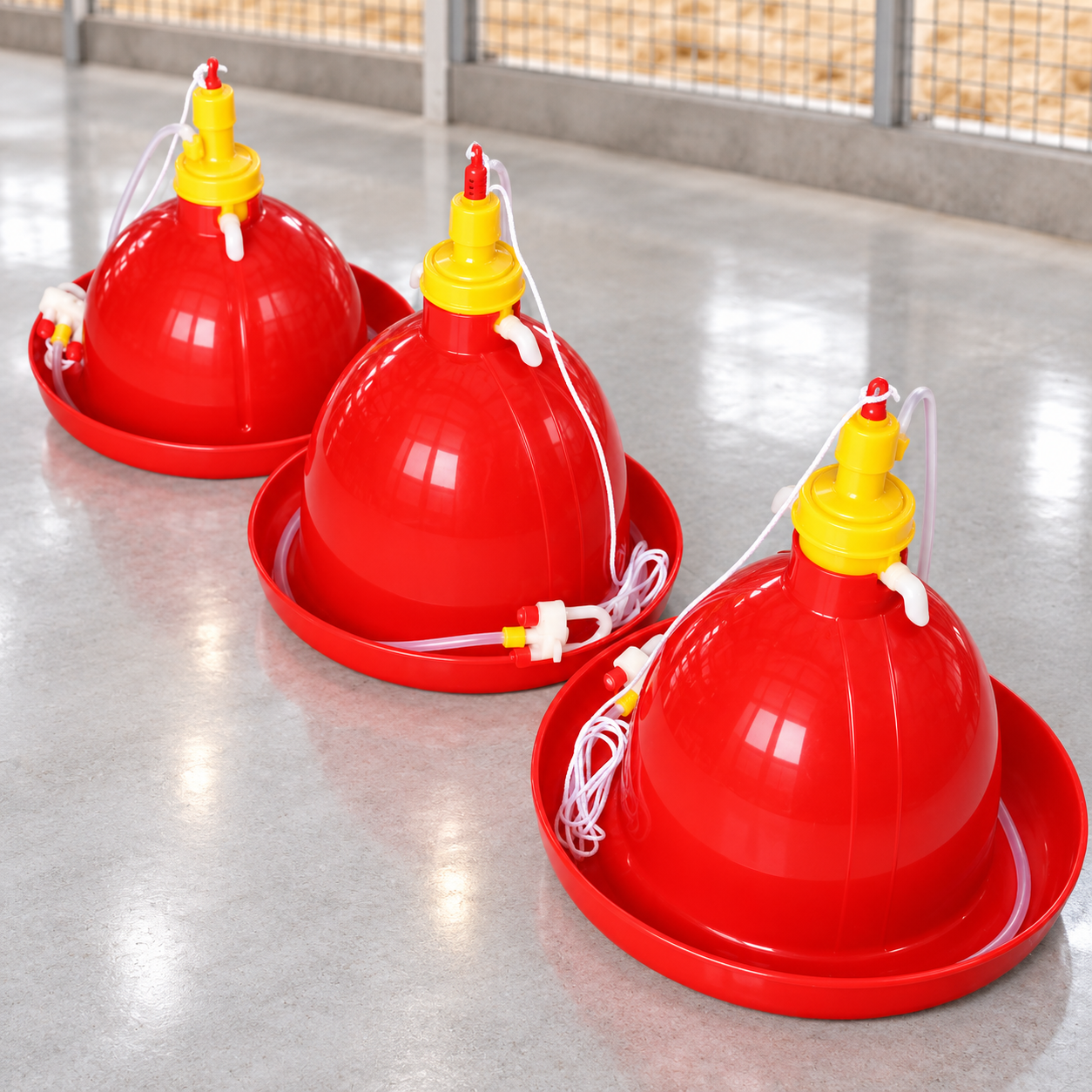
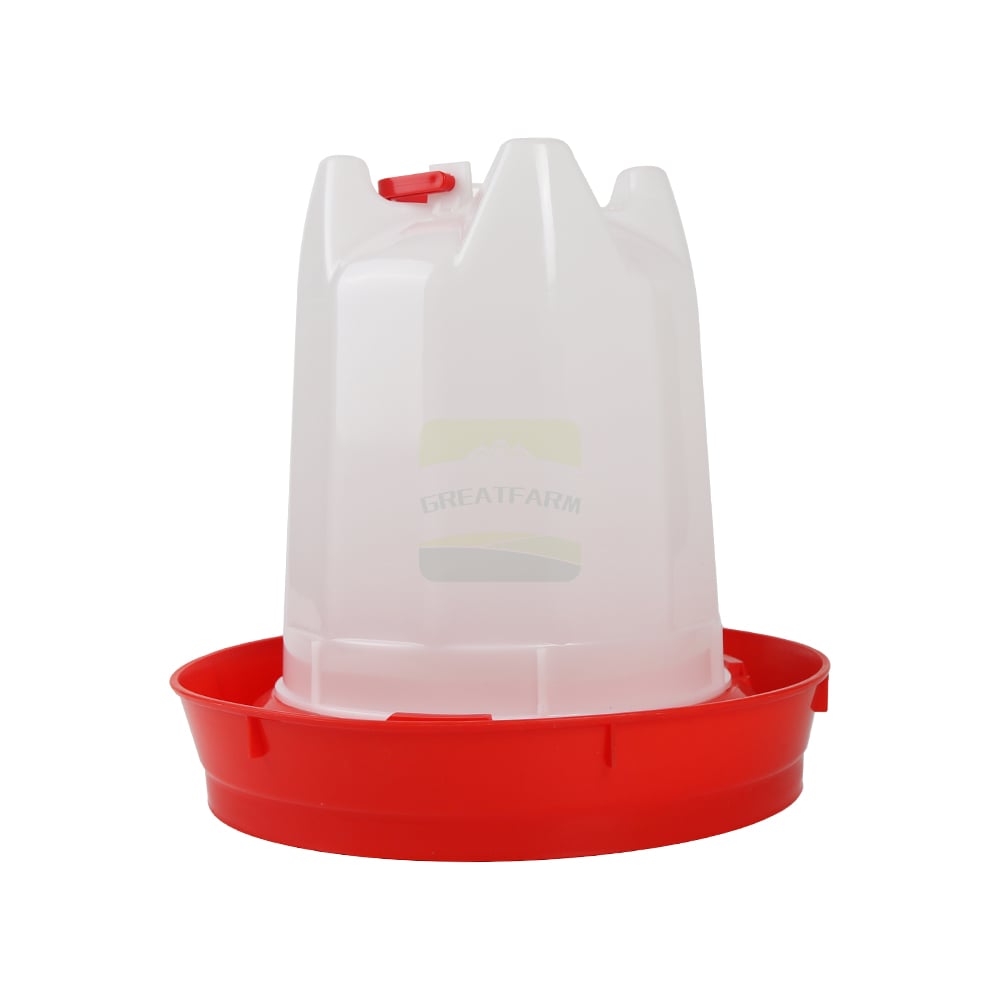
A common auxiliary option for floor-rearing houses, offering a larger open water area and simple daily observation.
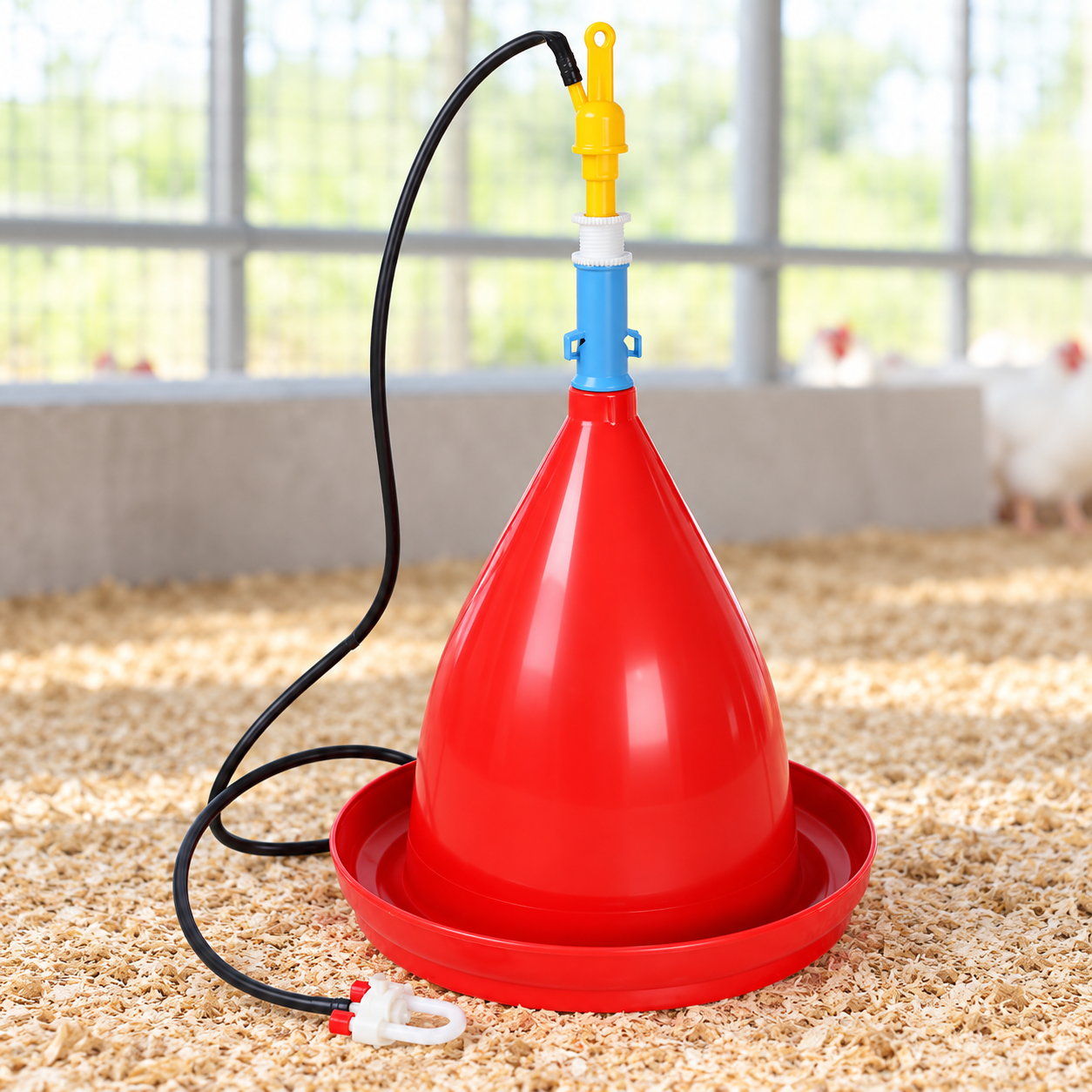
Often used as a hanging drinker option in brooding or grow-out applications where flexible placement is needed.
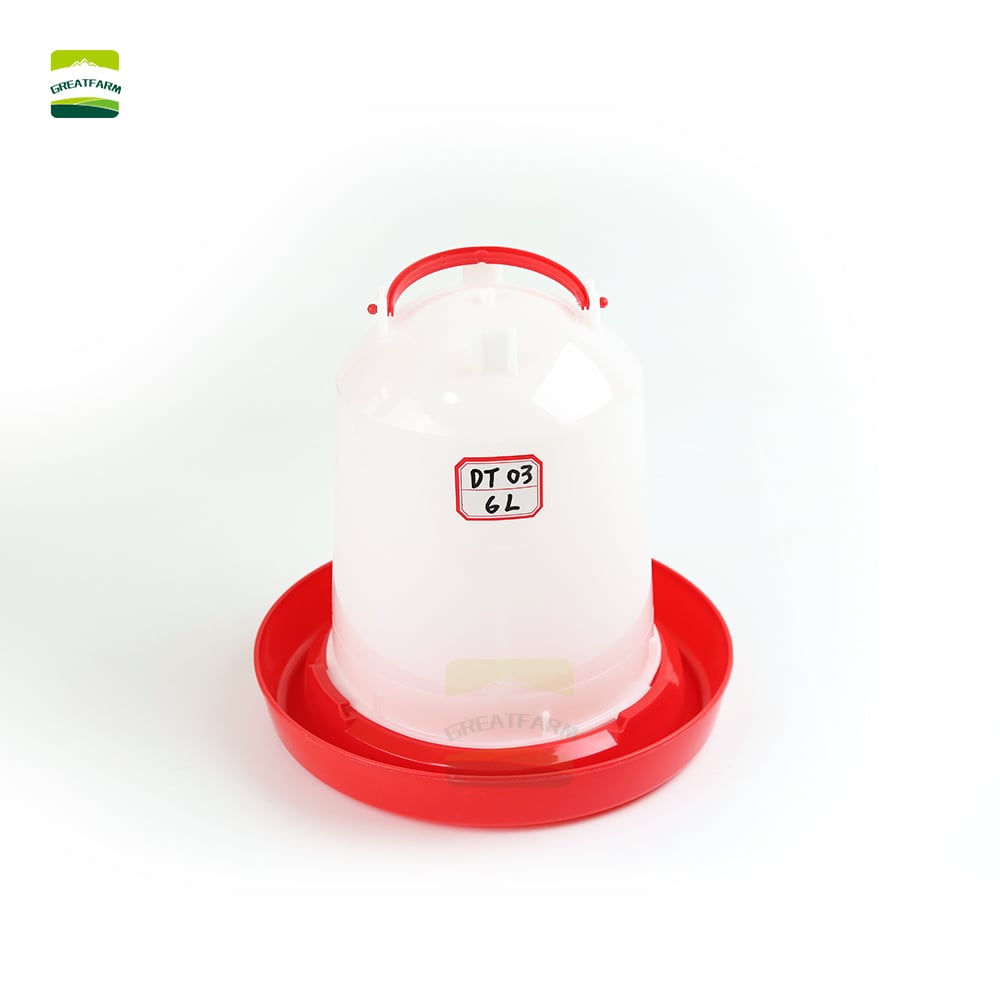
A simple manual drinker for small flocks, temporary use or backup supply, especially where easy handling is required.
The gallery below highlights some of the drinker options and related components included in the supplied image package.
Commonly arranged across the poultry house floor according to house width and bird quantity.
A hanging solution suitable for flexible brooding or general floor-rearing support.
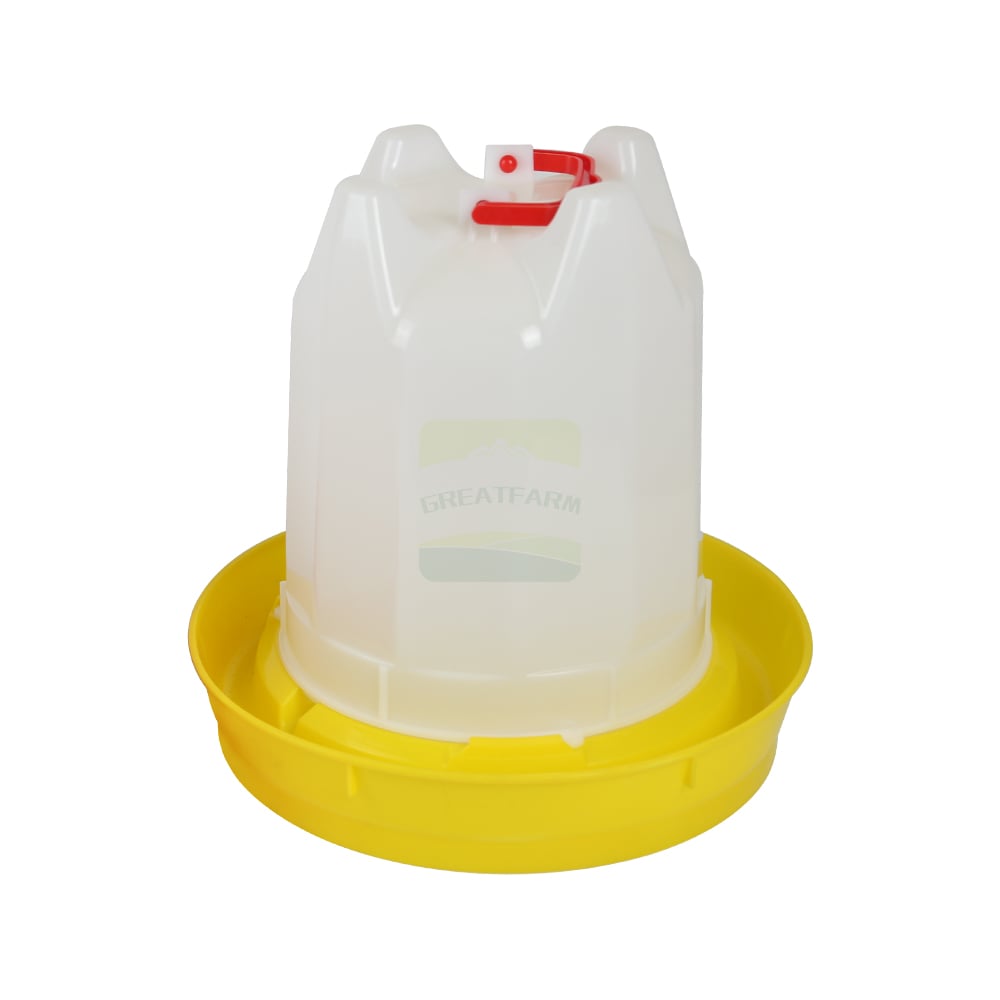
Simple to move and refill, suitable for small groups, backup use or temporary placement.
Common questions about poultry drinking systems.
Chicks usually use 360° nipples for easier access. Broilers, layers and breeders often use 180° or other suitable higher-flow nipple designs. The final choice depends on bird type and management style.
As a common reference, one nipple may serve roughly 10–15 chicks, 10–12 broilers, or 8–12 layers / breeders. Good management and the correct line arrangement are also important.
At least a basic filter is usually recommended. If the water source has high sediment, hardness or hygiene concerns, additional filtration or water-treatment modules can be considered according to the actual condition.
Yes. Many farms use nipple lines as the main system and keep bell drinkers or manual drinkers for brooding, temporary use or backup applications.
Please provide the poultry-house dimensions, bird type, bird quantity, preferred drinker type, and water-source information. With these details, a more practical system proposal can be prepared.
Zhengzhou Jinhui Agricultural S&T Co., Ltd. provides livestock equipment & smart farm one-stop solutions for global poultry, swine & sheep farms. CE/ISO-certified, OEM/ODM support, 15+ years’ export experience. Request a project assessment today.
Room 1318, 13/F, Building A, Yingxie Plaza, 138 Zhengbian Road, Jinshui District, Zhengzhou City, Henan Province
Copyright © 2026 Zhengzhou Jinhui Agricultural S&T Co., Ltd. All rights reserved. Privacy Policy