EN
EN
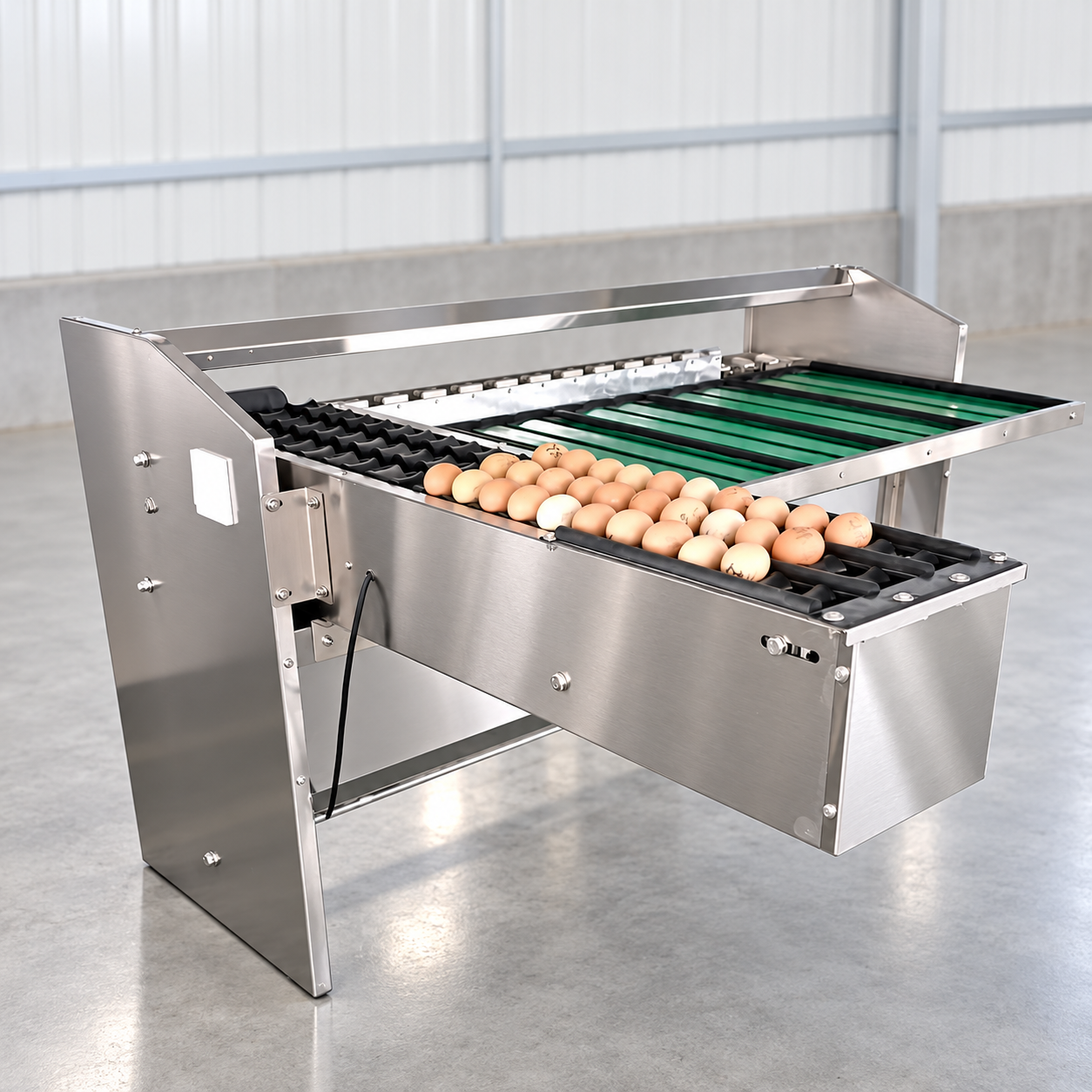
Central Collection
Collection / Inspection Table
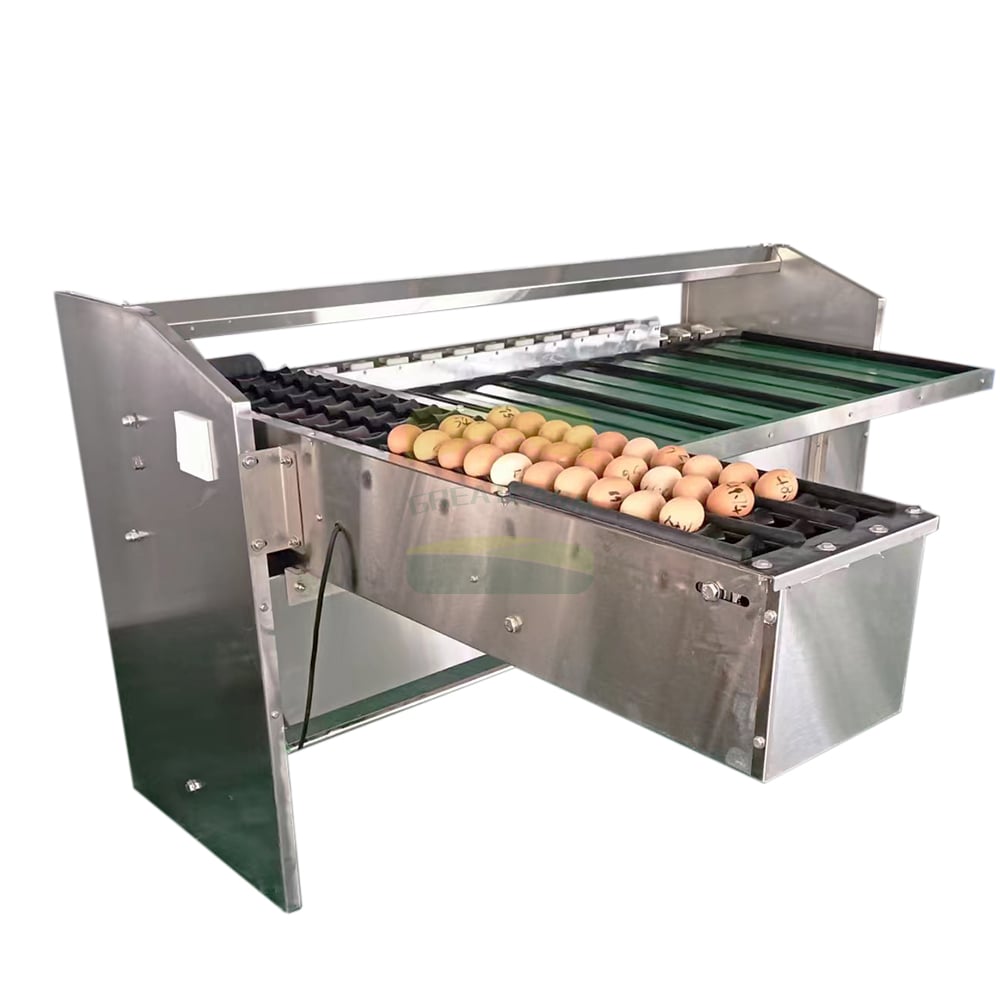
A central collection table is used to receive eggs from the transfer route and arrange them for easier handling, checking or onward movement.

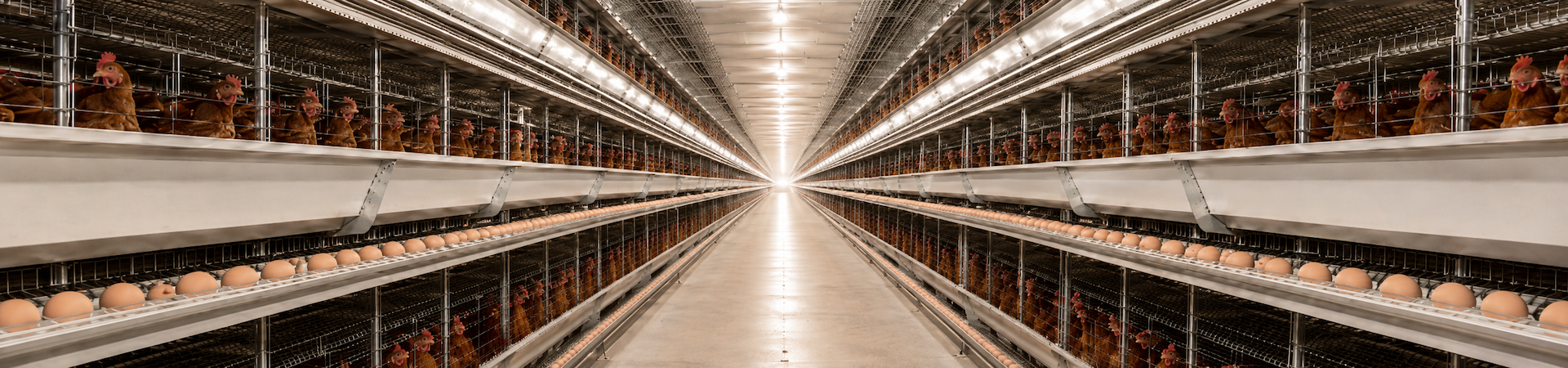
A practical egg collection solution that can link the egg-laying point, transfer route and central collection section, helping move eggs more smoothly from the house to the collection area.
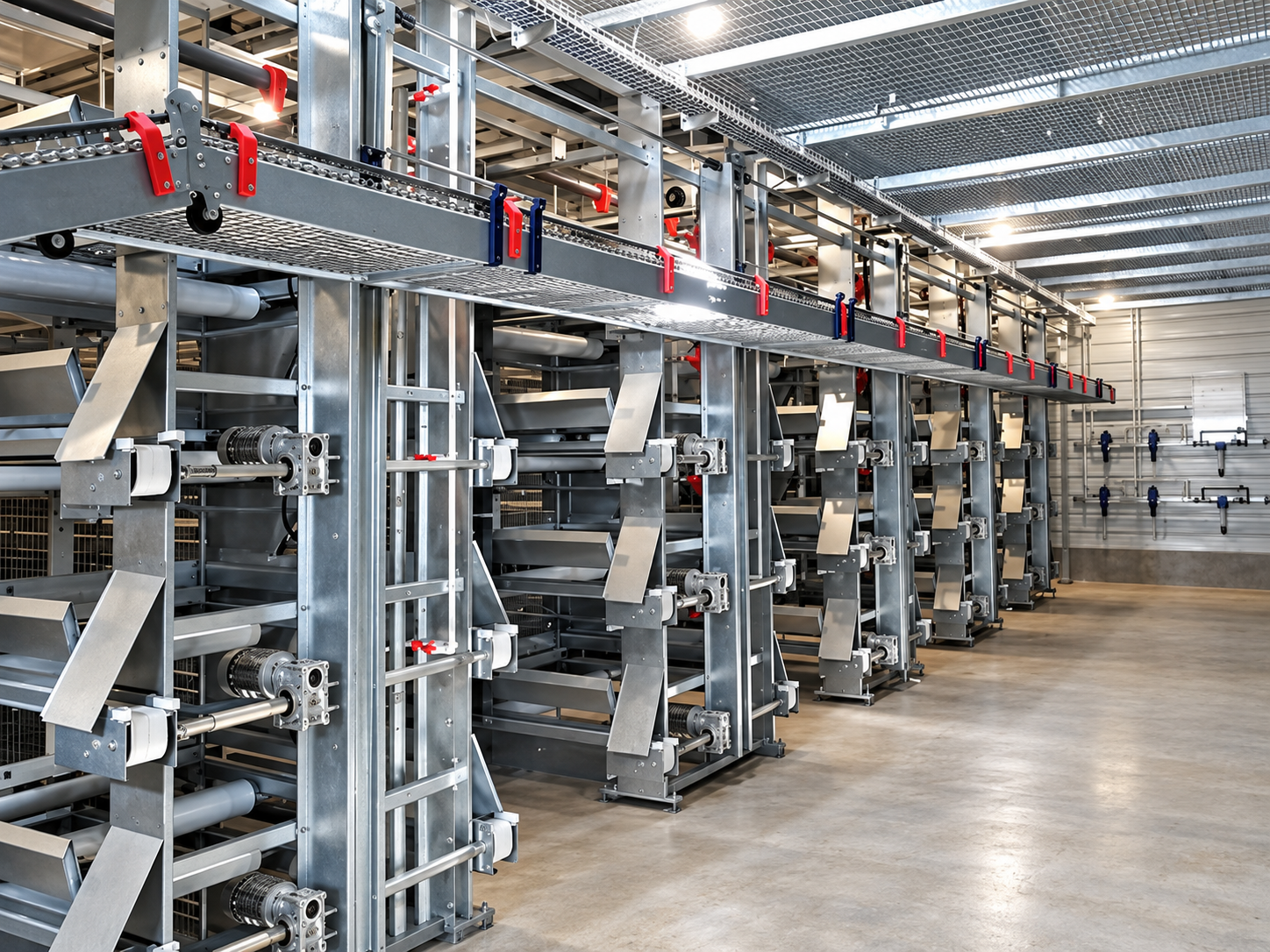
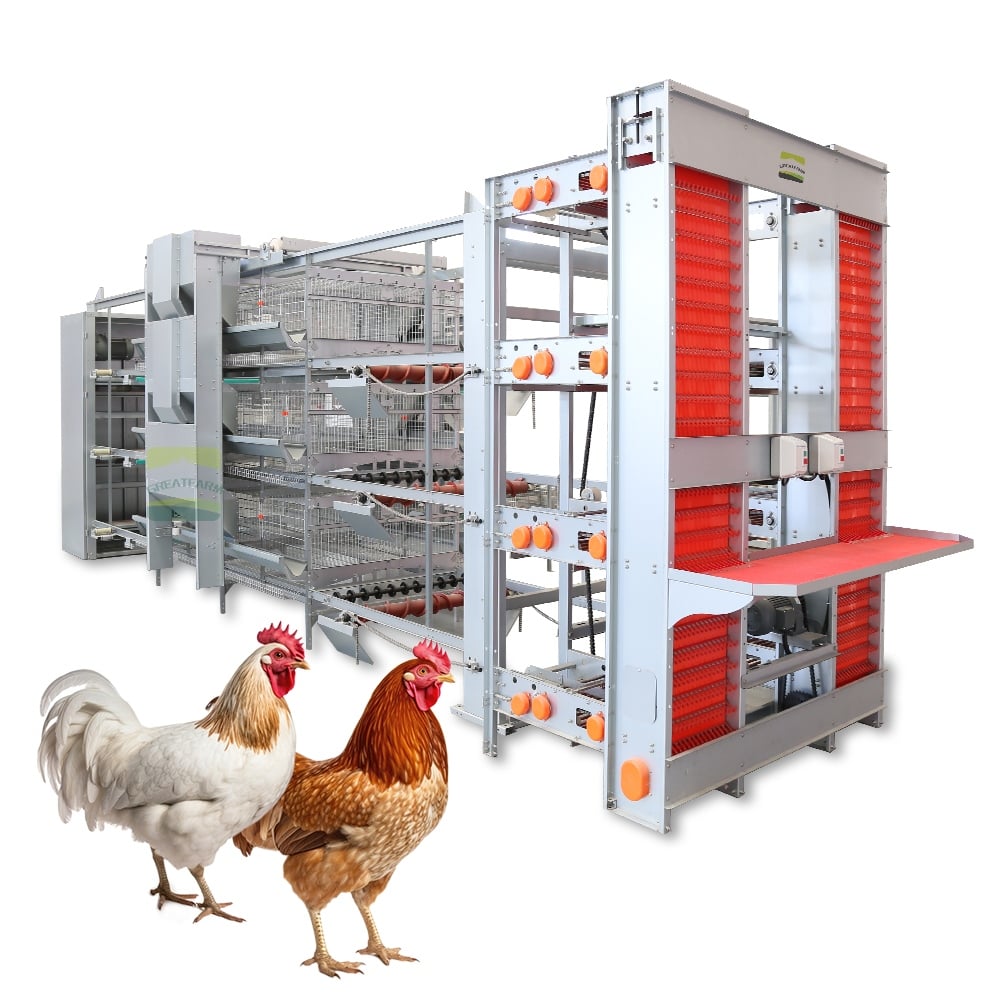
Egg collection equipment is normally configured according to the housing type and production process. The system may include nest-based collection, row transfer conveyors, a central collection table and optional downstream handling support.
A central collection table is used to receive eggs from the transfer route and arrange them for easier handling, checking or onward movement.
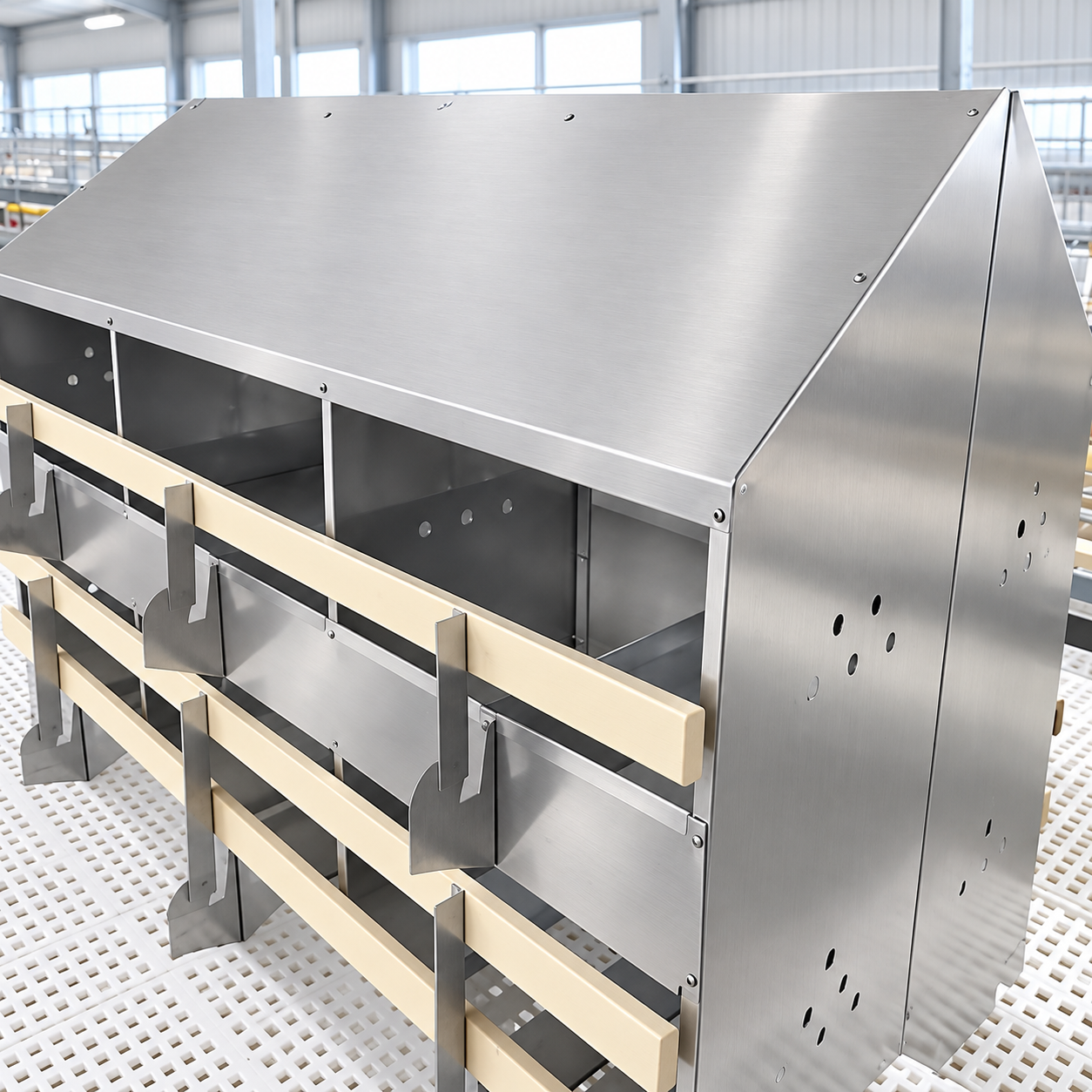
Nest boxes are commonly used in breeder or selected floor-raising projects to provide an organized laying area and guide eggs toward collection.
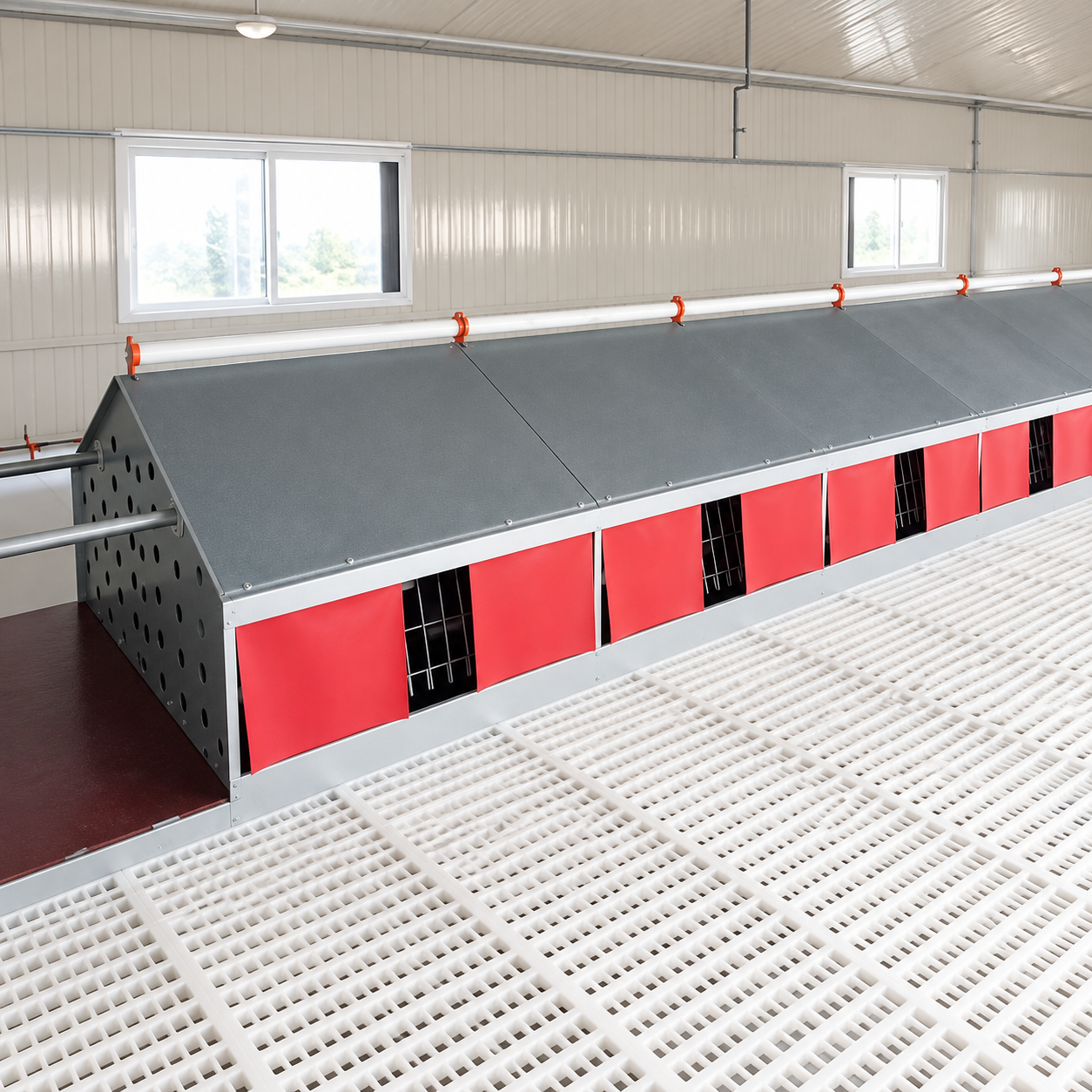
This image shows a practical in-house nest setup where eggs can move from the laying point into the farm's collection workflow.
The exact module combination depends on whether the project is a cage layer house, breeder nest house or another egg-producing layout.
Eggs enter the collection route from the laying nest or from the outlet position designed into the house system.
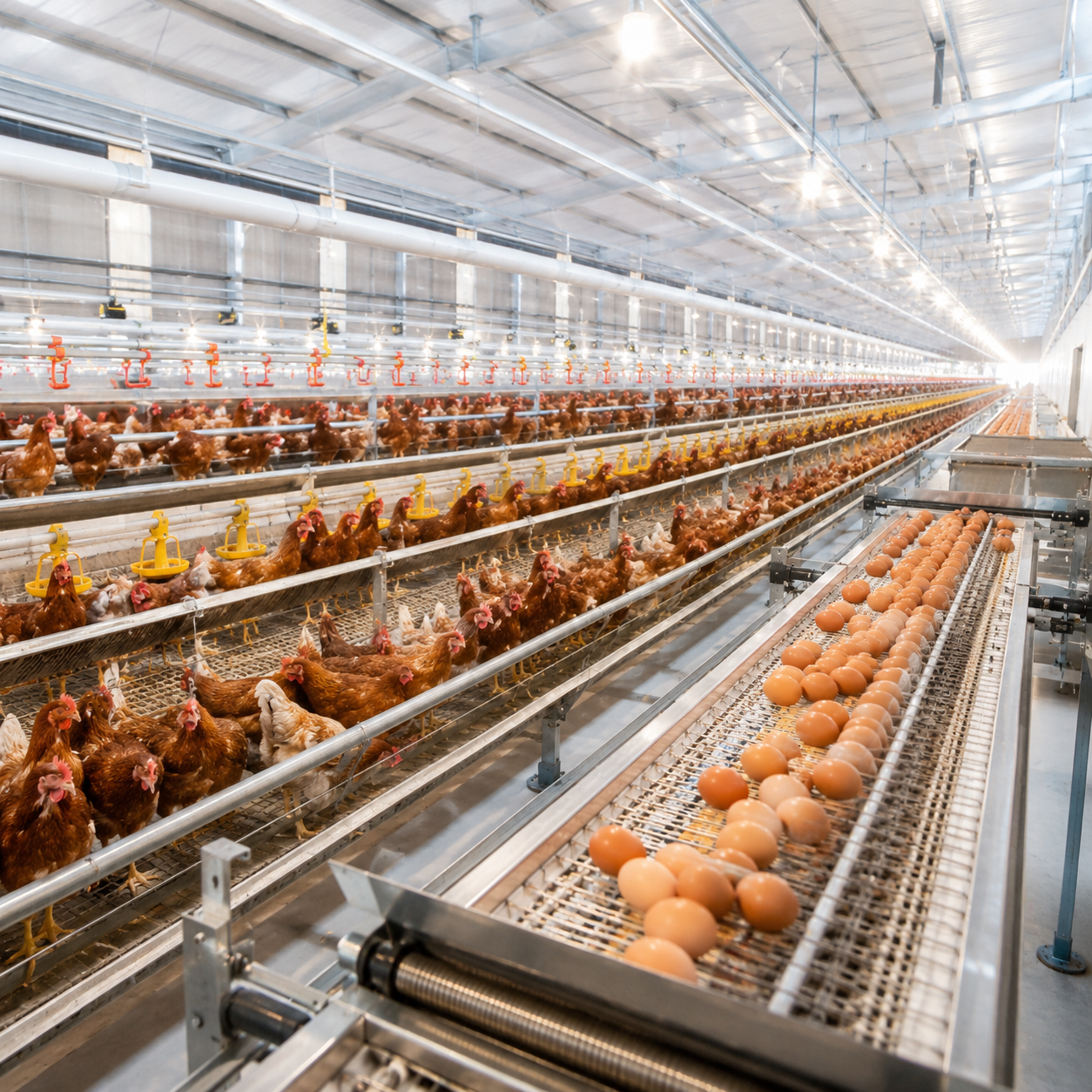
Transfer conveyors or guided egg routes help bring eggs from different rows toward a more centralized point.
A central collection unit receives eggs from multiple routes and helps organize them for farm handling or inspection.
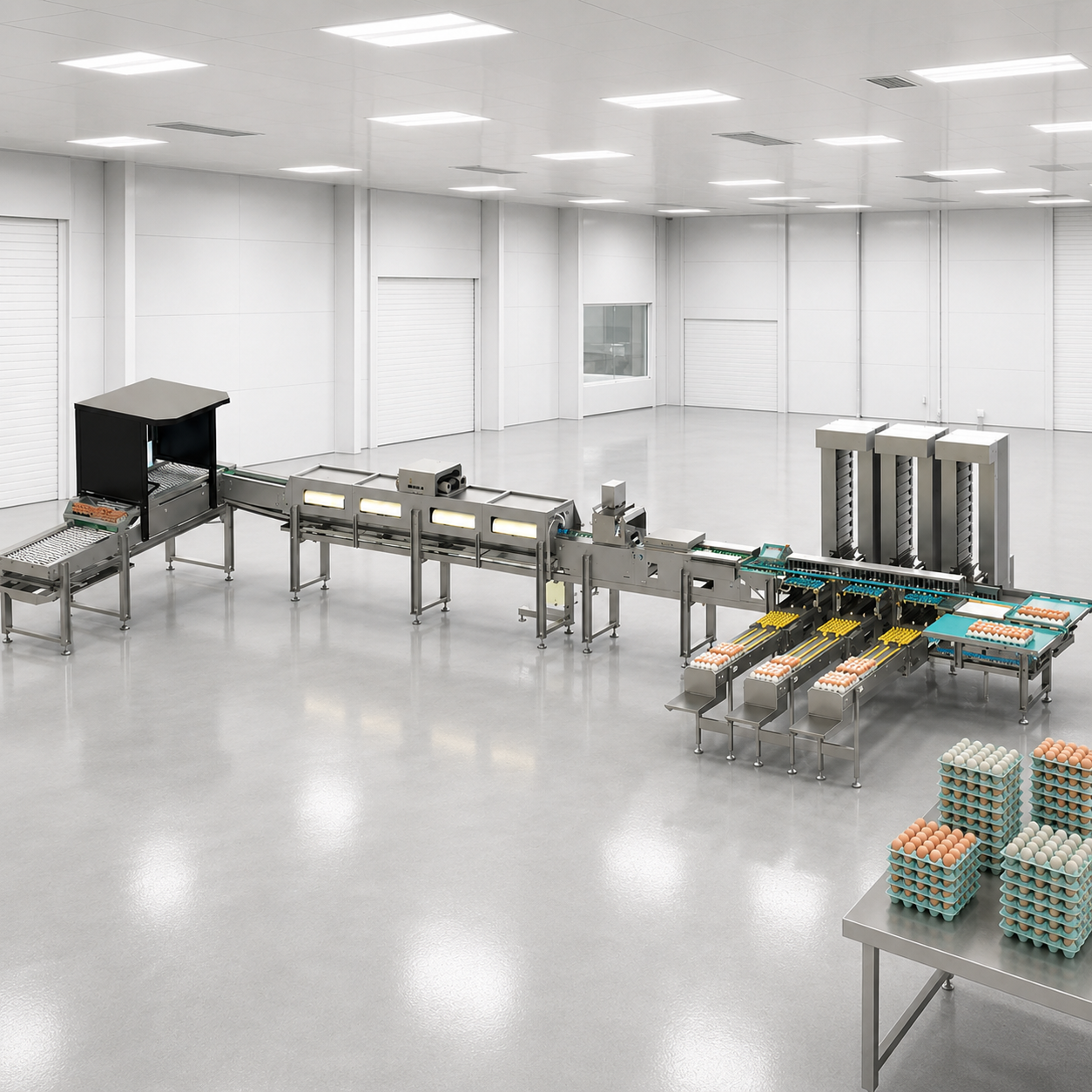
The system can be matched with grading, packing or other egg-handling equipment when the project requires a longer process line.
The following information is written as practical reference content. Final configuration and performance should be confirmed according to the actual farm drawing, house quantity and egg-handling process.
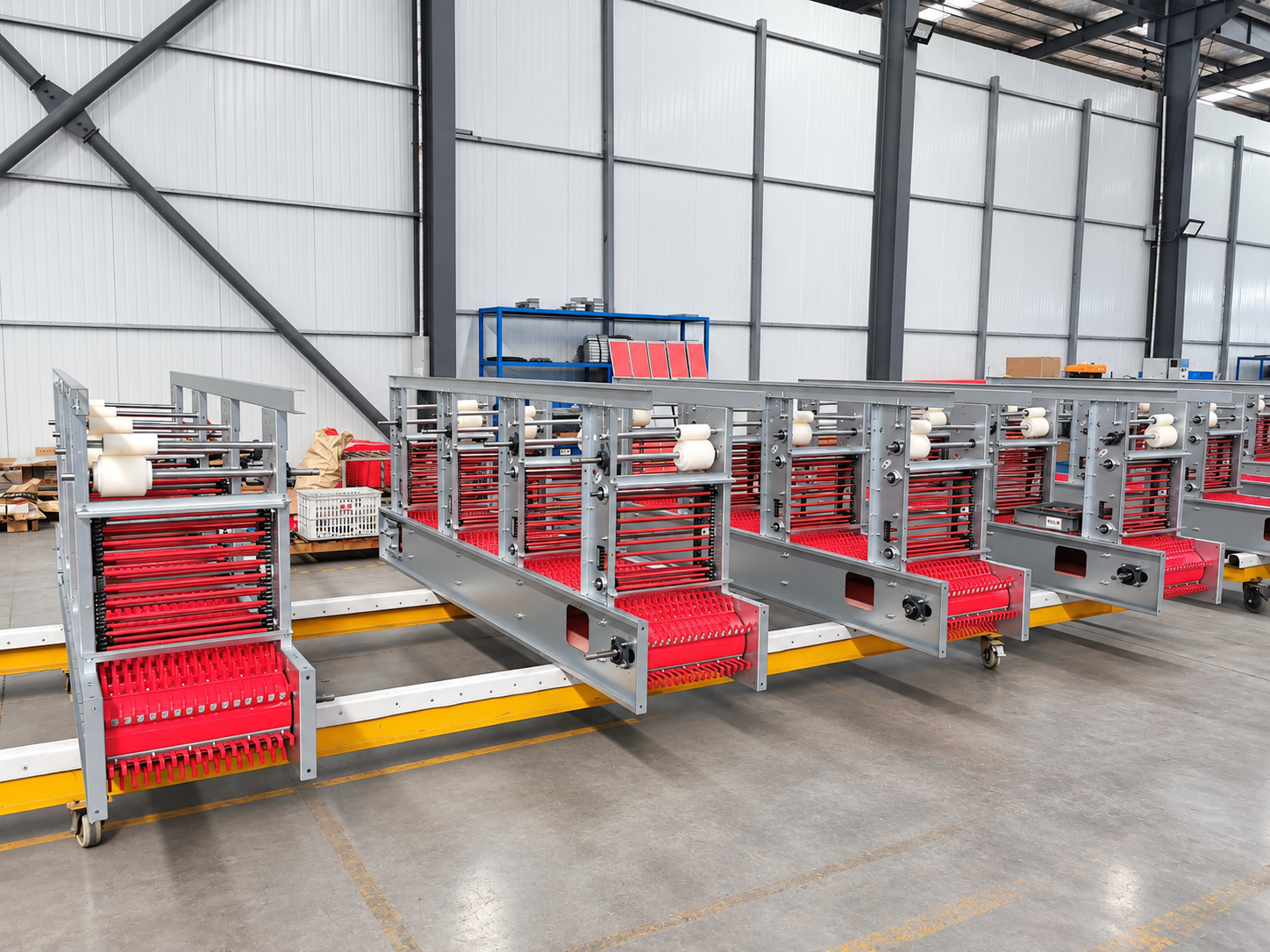
Please share the house type, house quantity, row arrangement and target egg-output plan. These details help determine the collection route, transfer distance and central collection configuration.
| System Scope | Egg collection equipment may include nest boxes or house interface modules, row transfer conveyors, collection tables, supporting frames, drive units, control components and matching accessories. |
| Applicable Poultry Houses | Used for egg-producing poultry projects such as layer houses and breeder houses. The exact form differs according to the housing system and egg route design. |
| Collection Route | Eggs can be collected from nest-based laying points or from house outlet sections, then transferred toward a central collection area through the selected route arrangement. |
| Main Materials | Module materials vary by equipment type. Stainless steel is commonly used for some handling or collection units, while galvanized or coated steel structures are common for supporting frames and transfer sections. |
| Drive & Control | The line is normally matched with geared drive units and basic control components according to the number of collection points, route length and project layout. |
| Capacity Description | There is no single universal capacity value. The actual handling capacity depends on house quantity, row count, bird quantity, egg output and the overall collection route design. |
| Connection with Other Equipment | The collection system can be arranged as an independent central collection section or connected with grading, packing or other downstream egg-handling equipment, subject to the project layout. |
| Installation Basis | The equipment should be selected according to the building layout, operating aisle condition, collection-room position, line length and the farm's daily management method. |
| Data Needed for Final Proposal | House drawing or dimensions, poultry type, house quantity, row arrangement, estimated daily egg output, transfer distance, target process flow, local power standard and any downstream handling requirement. |
Send us your house layout, poultry type and egg-output plan. We can recommend a suitable egg collection route and matching equipment configuration.
Get a Solution ProposalA poultry egg collection project is usually confirmed step by step so that the route, structure and collection point can match the real farm conditions.
Check the house type, number of rows, nest arrangement and the position of the collection room.
Match the route length, direction and transfer points to the farm's daily operation and available space.
Confirm the collection table, conveyor sections and any optional accessories needed in the process.
Confirm quantities, installation conditions, power standard and any downstream grading or packing connection.
The following images show typical modules and installed references related to poultry egg collection and handling.
A practical project example showing the collection framework, supporting structure and transfer path within a poultry house.
Used to receive and arrange eggs from the route before the next handling step or manual inspection.
Suitable for breeder or selected floor-raising projects where eggs are collected from organized nest points.
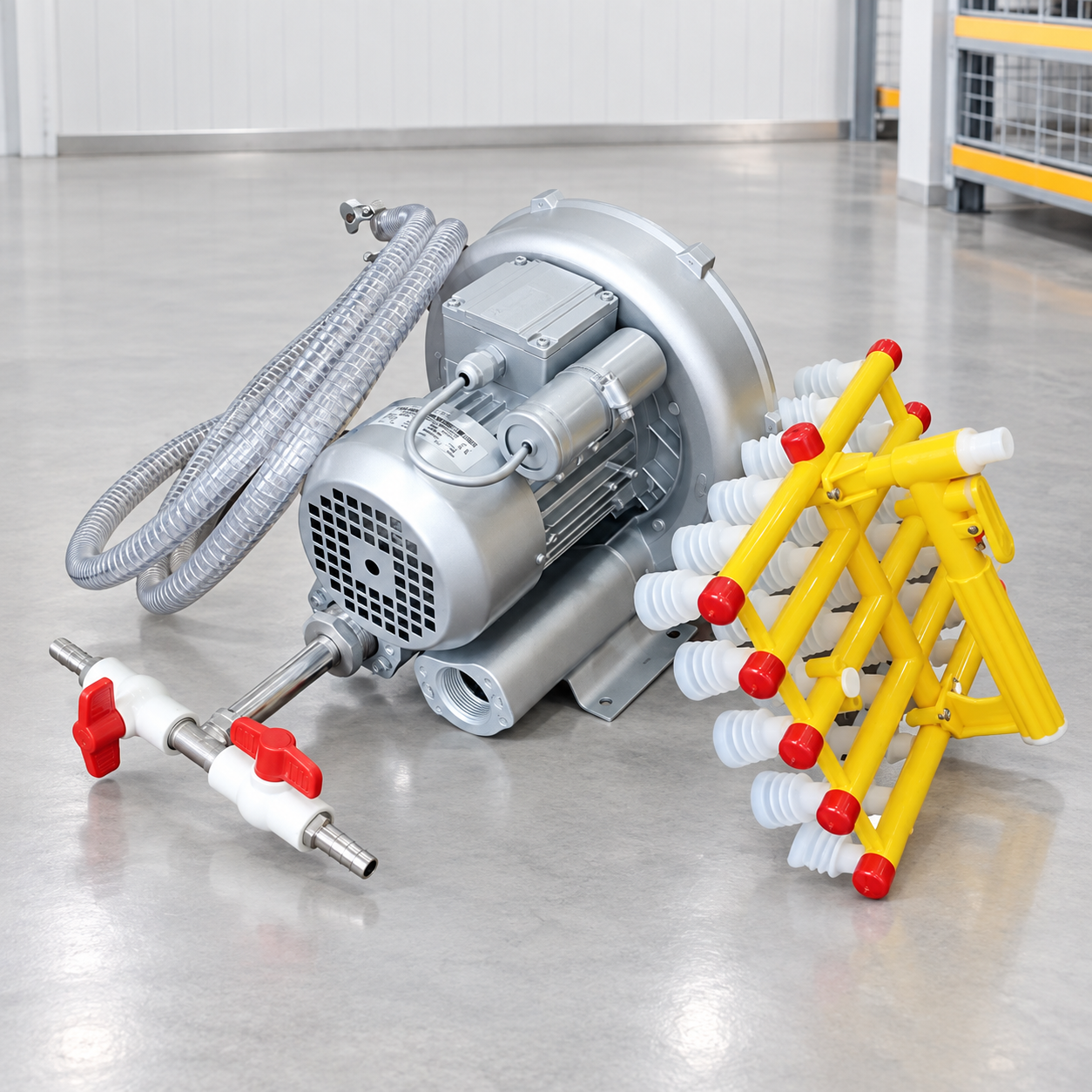
Depending on the production process, the system may also use supporting transfer accessories or related handling components.
Common questions about poultry egg collection systems.
It can be applied to both, but the configuration is different. Layer projects may use house outlet and transfer arrangements, while breeder or selected floor-raising projects may use nest-based collection.
No. Laying nests are used in projects that need them, such as breeder or selected floor systems. In other projects, the collection route may connect directly with the house equipment.
Yes. If the farm layout and process require it, the egg collection line can be connected with downstream grading, packing or other egg-handling equipment.
Please provide the house drawing or dimensions, poultry type, house quantity, egg-output estimate, collection-room position, voltage and any downstream process requirement.
Proper route design, smooth transfer, suitable line speed and correct collection-point arrangement are important. The final setup should match the real farm conditions and daily operating practice.
Zhengzhou Jinhui Agricultural S&T Co., Ltd. provides livestock equipment & smart farm one-stop solutions for global poultry, swine & sheep farms. CE/ISO-certified, OEM/ODM support, 15+ years’ export experience. Request a project assessment today.
Room 1318, 13/F, Building A, Yingxie Plaza, 138 Zhengbian Road, Jinshui District, Zhengzhou City, Henan Province
Copyright © 2026 Zhengzhou Jinhui Agricultural S&T Co., Ltd. All rights reserved. Privacy Policy