EN
EN
01 · Transfer
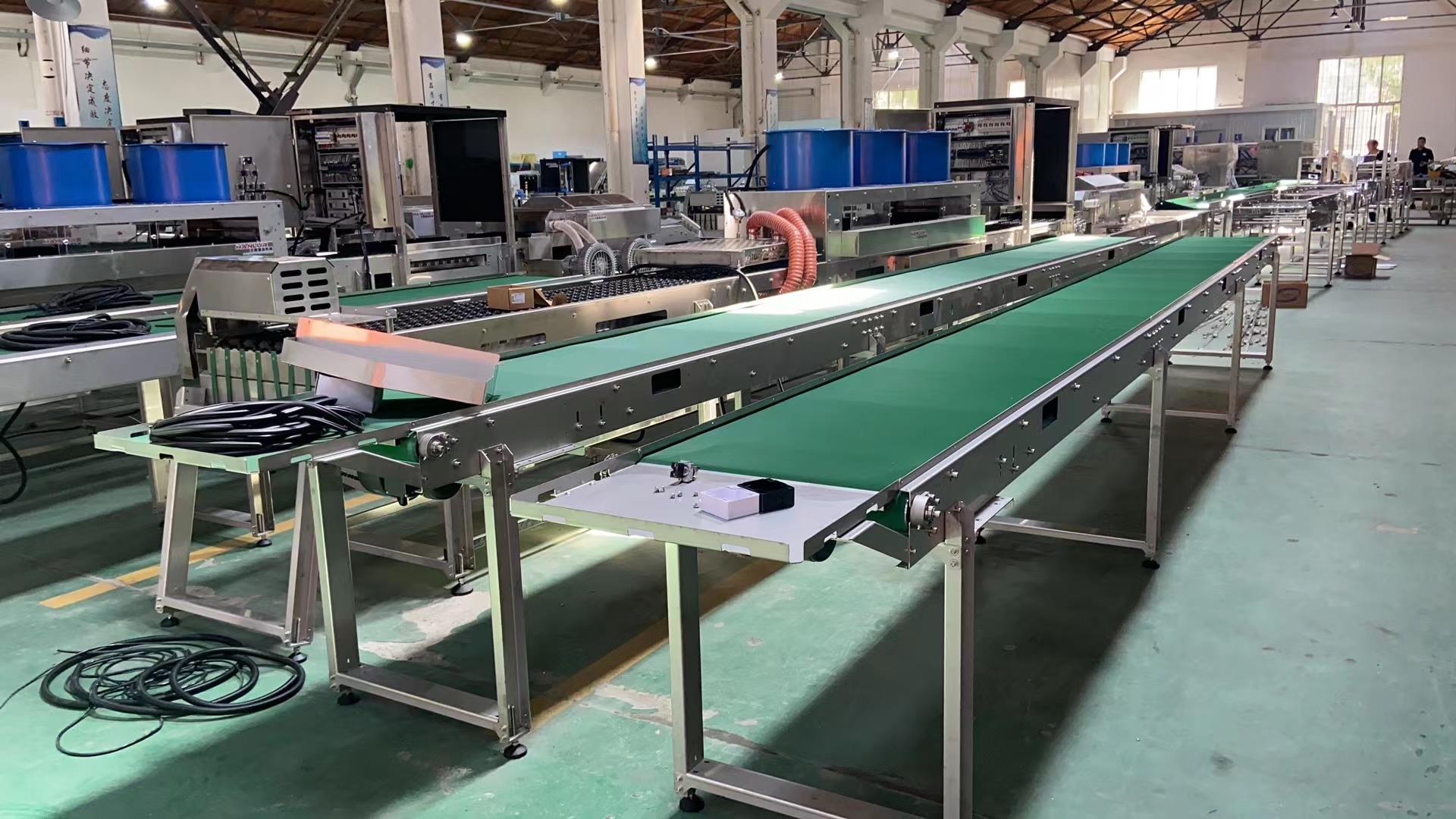
Egg Transfer Conveyor
Connects the egg source with the sorting area. It is used to move eggs continuously and reduce long-distance hand carrying inside the egg room.

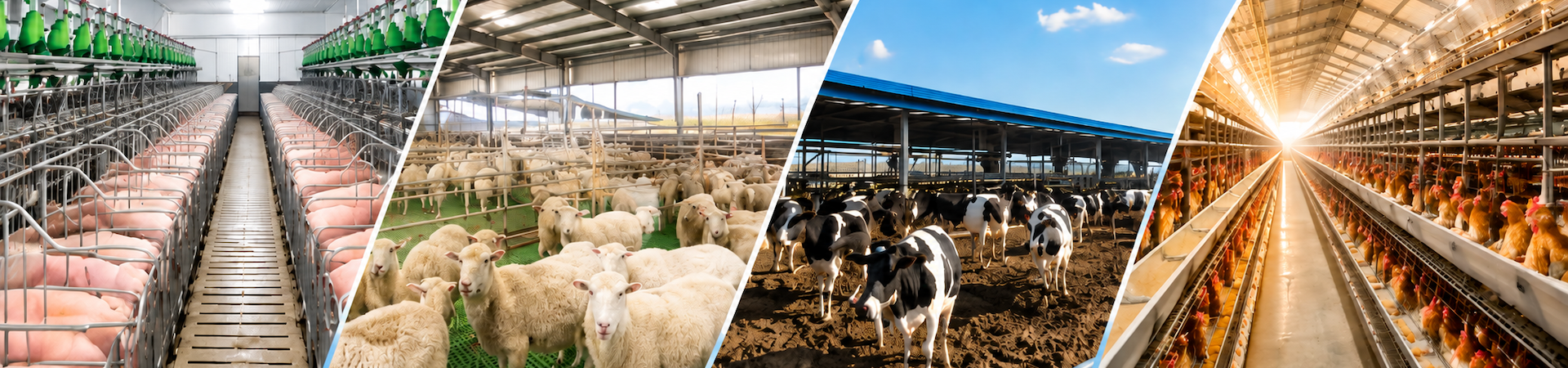
A practical egg transfer, inspection, sorting and tray packing line designed for a layer farm egg room. The system connects egg collection with the packing area, helping workers handle eggs in a more orderly and continuous way.
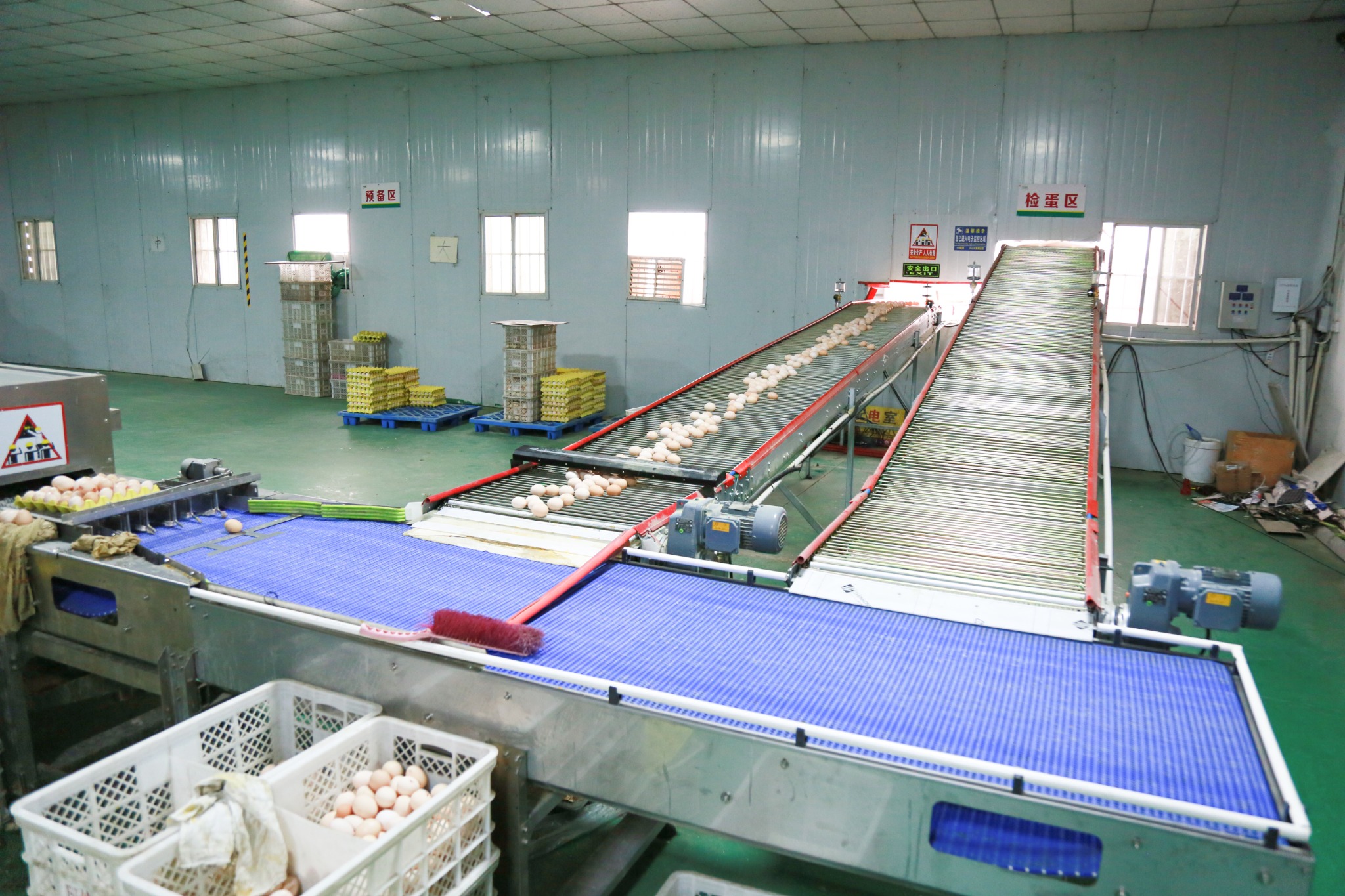
Real Project Material
Photos and videos show the installed egg conveying and sorting area.
For this Philippines project, the equipment layout is arranged around the actual movement of eggs: eggs arrive from the laying house, pass through transfer and checking areas, and are then packed into trays. The page focuses on the visible line configuration and working process instead of using exaggerated capacity claims.
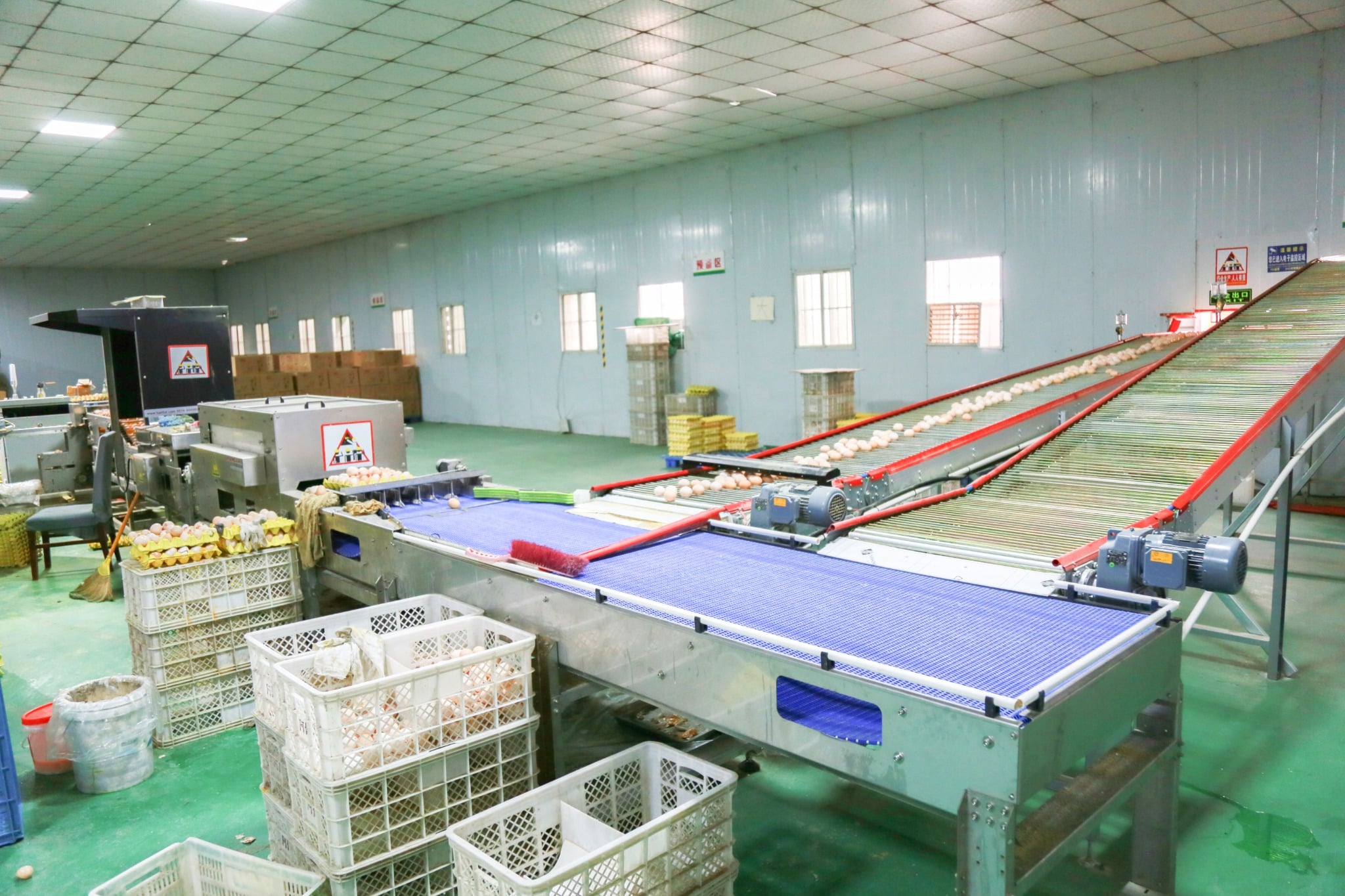
The line is suitable for farms that need to move eggs from cage rows or collection points into a cleaner, more organized egg room. It keeps eggs on conveyors and rollers for most of the process, while workers focus on visual inspection, manual correction and packing.
The workflow below is based on the provided on-site images. Final configuration should be confirmed according to cage house layout, egg room size, labor arrangement, tray type and required inspection method.
Eggs enter the egg room from collection belts or transfer conveyors and are guided onto the sorting line.
Conveyor sections move eggs toward the checking area with a steady and visible flow.
Workers can observe, pick out cracked or abnormal eggs and make simple corrections before packing.
Roller conveyor sections help guide eggs forward and keep the packing station organized.
Eggs are loaded into trays, stacked and prepared for storage, sales or further transport.
This case combines egg conveying equipment, manual inspection space, roller transfer sections and packing stations. It is designed as a practical project line instead of a single machine display.
Connects the egg source with the sorting area. It is used to move eggs continuously and reduce long-distance hand carrying inside the egg room.
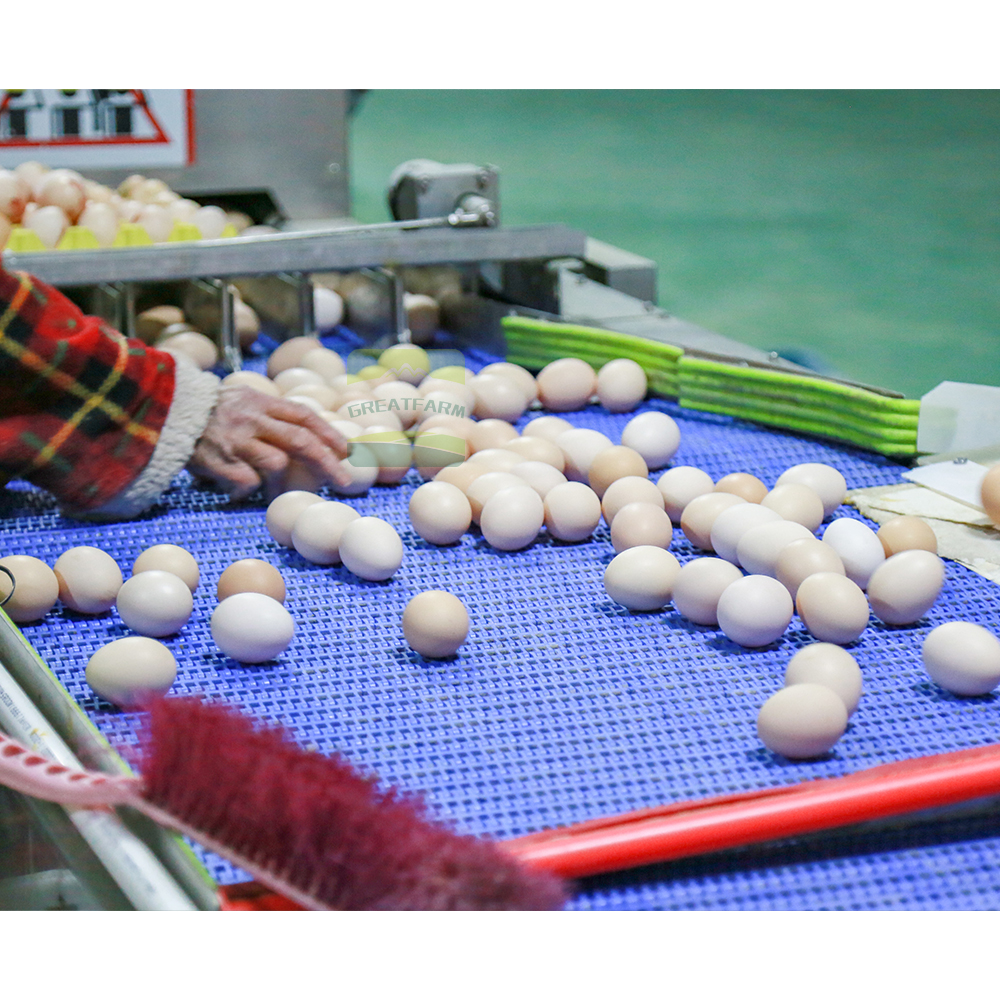
Provides a working area for visible checking, manual correction and temporary handling before eggs enter the next conveying section.
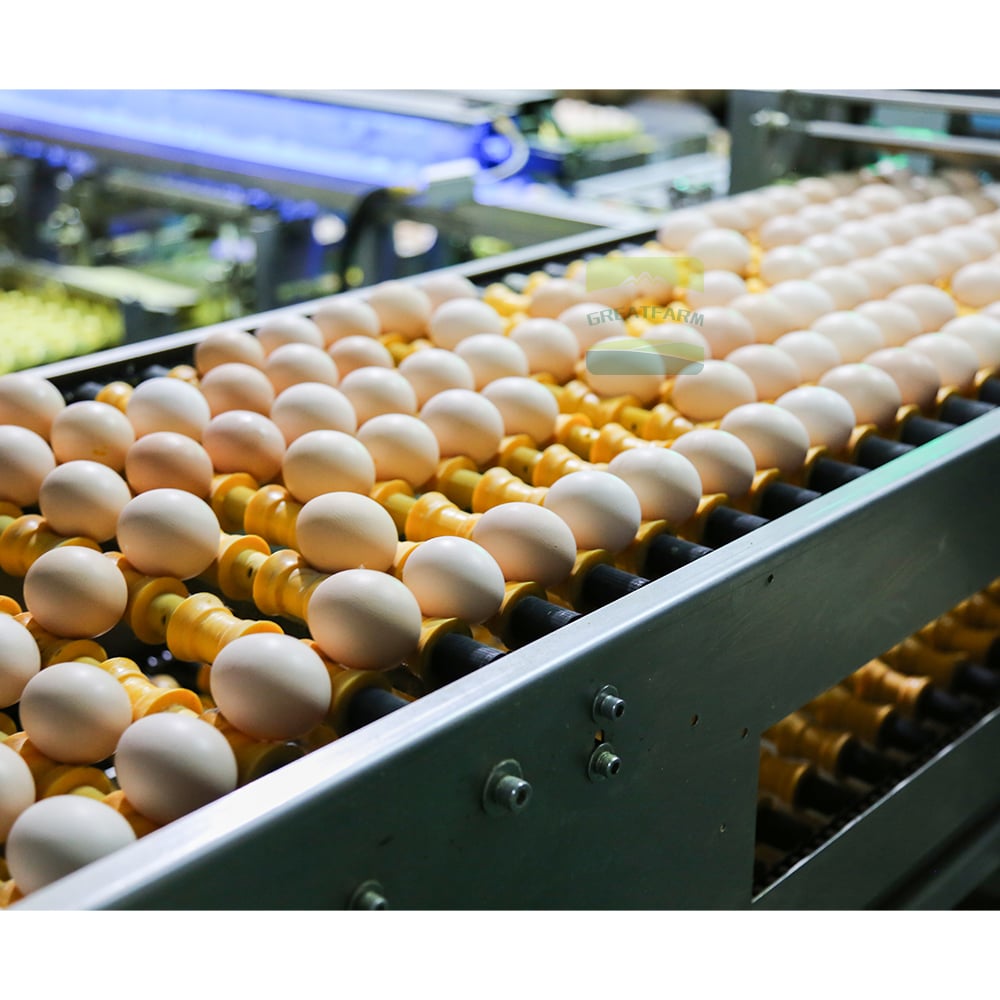
Rollers support smooth egg movement and help maintain an orderly flow toward the packing or tray-loading area.
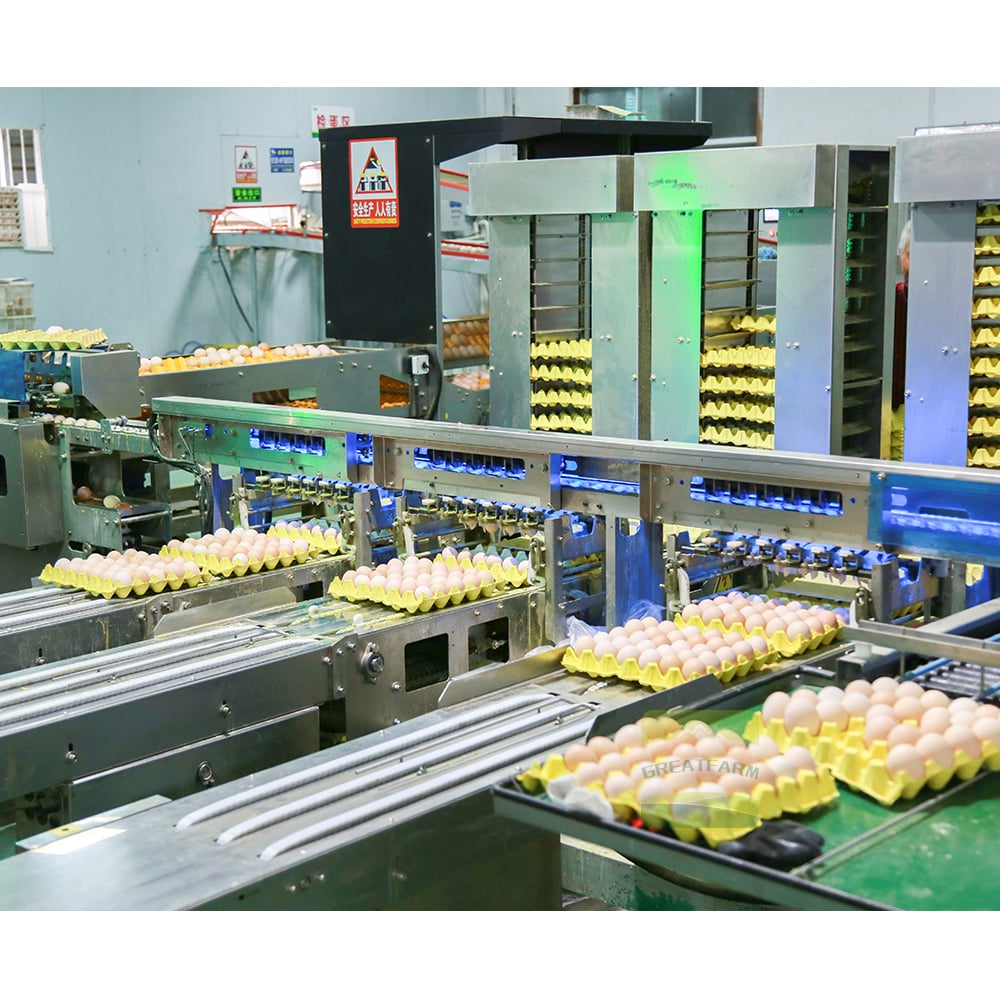
The line can be connected with egg trays, manual packing tables or semi-automatic tray handling according to the customer's packing method.
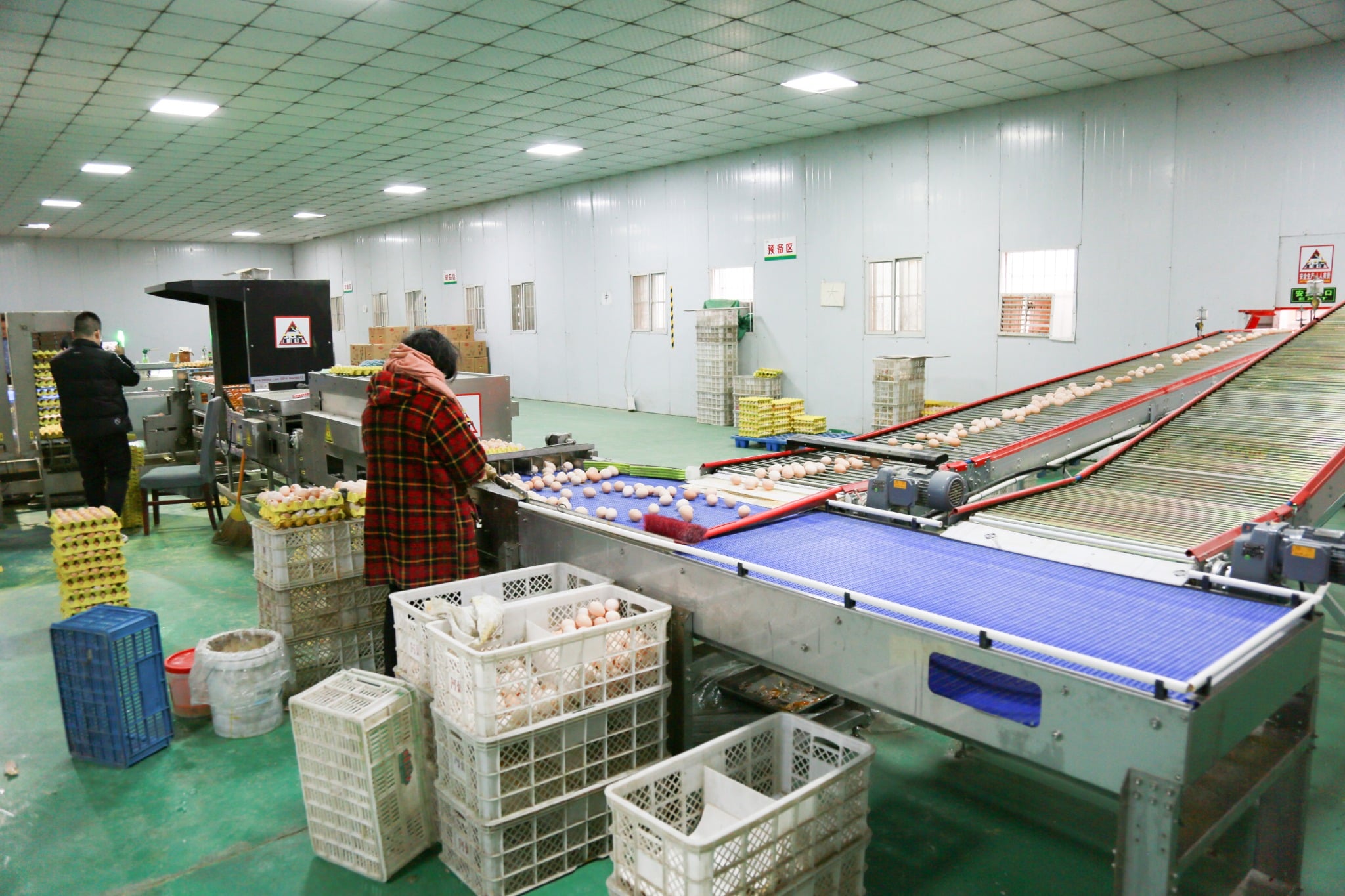
Space is reserved for egg trays, baskets, temporary stacking and workers, making the operating area easier to manage.
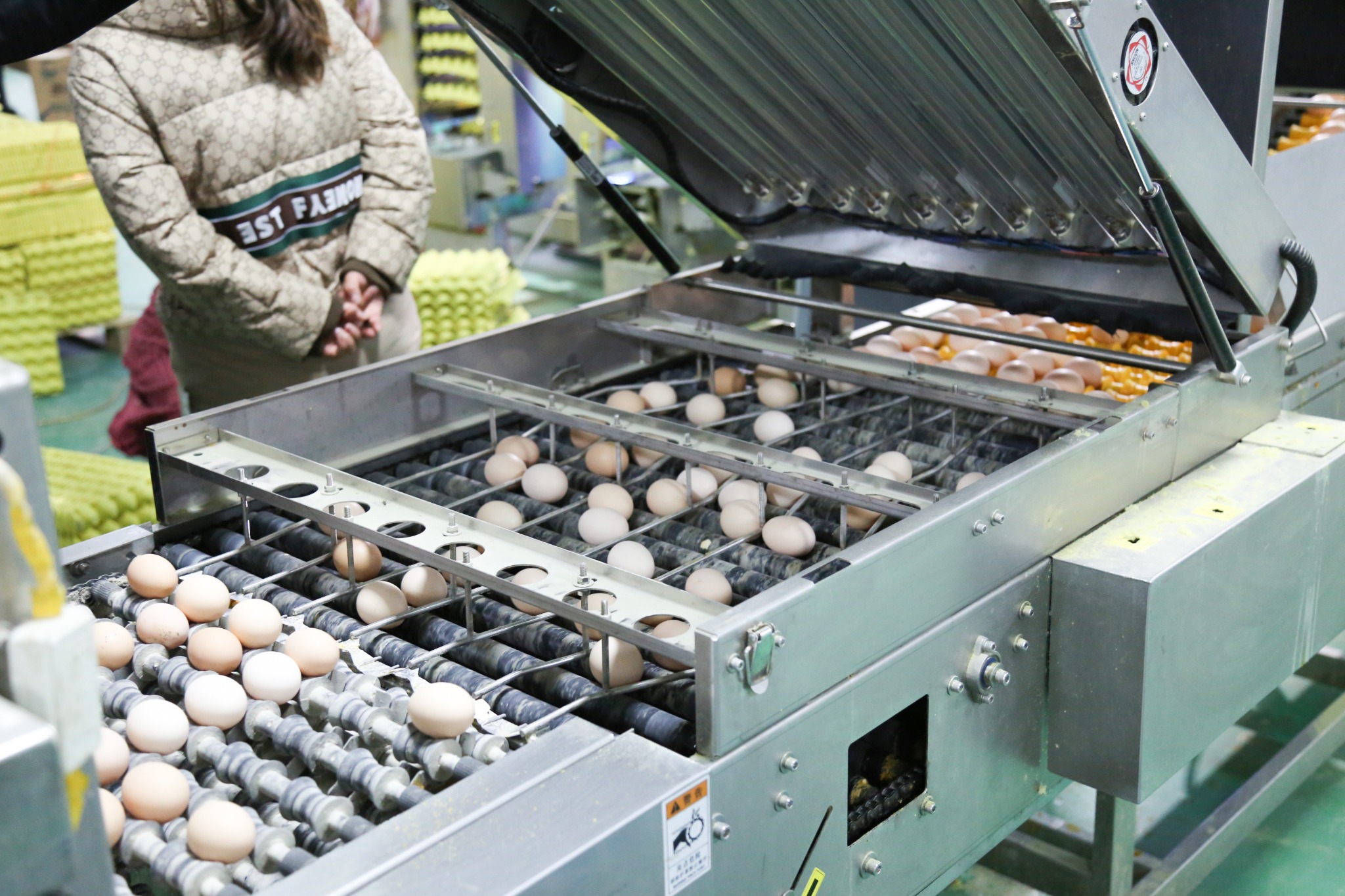
Openable covers and visible roller sections make routine cleaning, inspection and maintenance more convenient for farm staff.
The videos are included as project evidence and operation reference. They should be used to show the actual egg flow, worker operation and machine arrangement rather than to make fixed capacity promises.
Shows the egg handling area and the way eggs move through the conveyor and checking section.
Displays the actual conveyor operation and packing room workflow for practical project reference.
The project is explained from actual visible operation. Exact output depends on the farm's egg supply speed, worker arrangement, tray specification and final packing method.
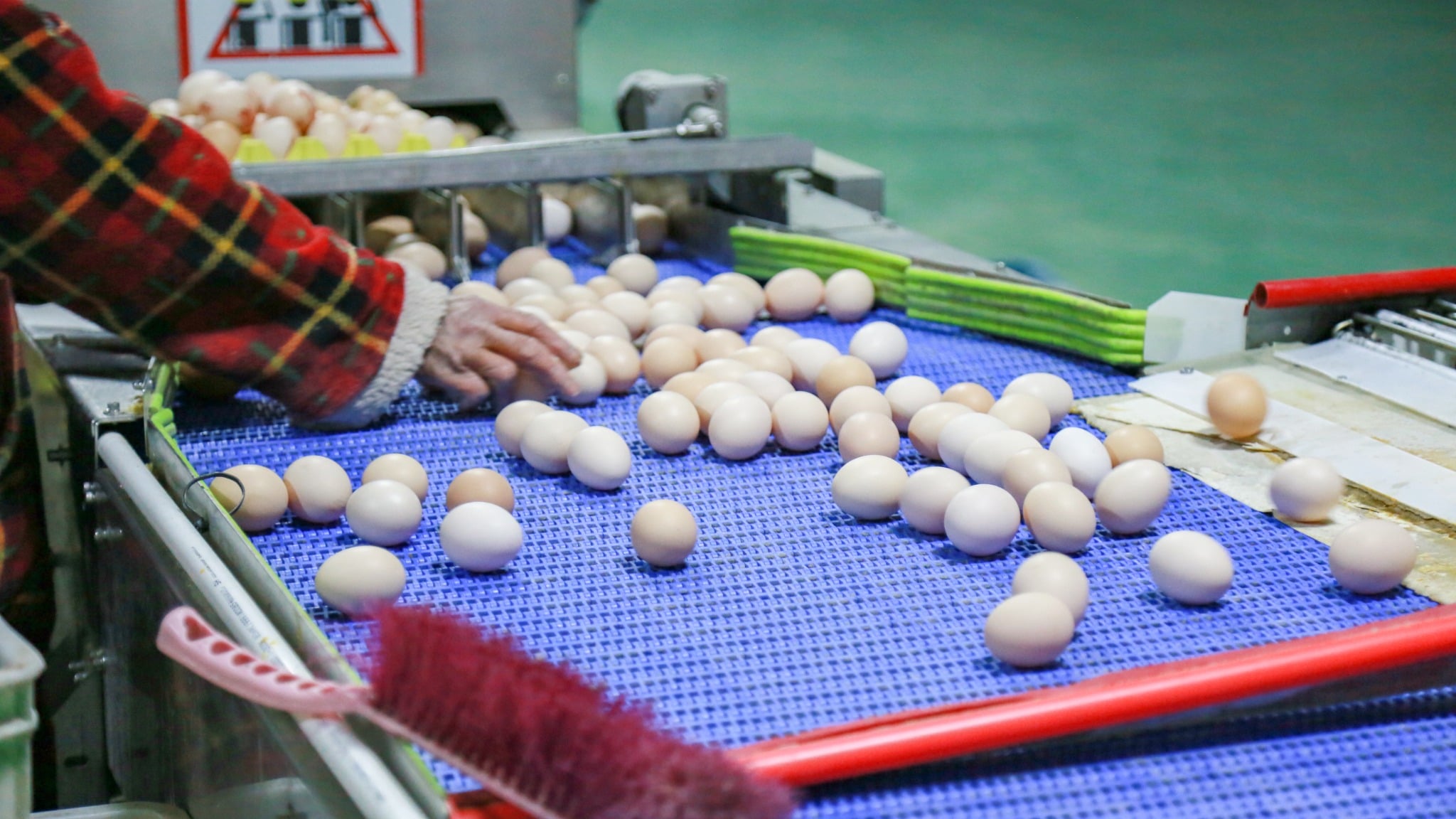
Conveyors move eggs through the room, so workers can focus on inspection and packing instead of carrying eggs repeatedly between different points.
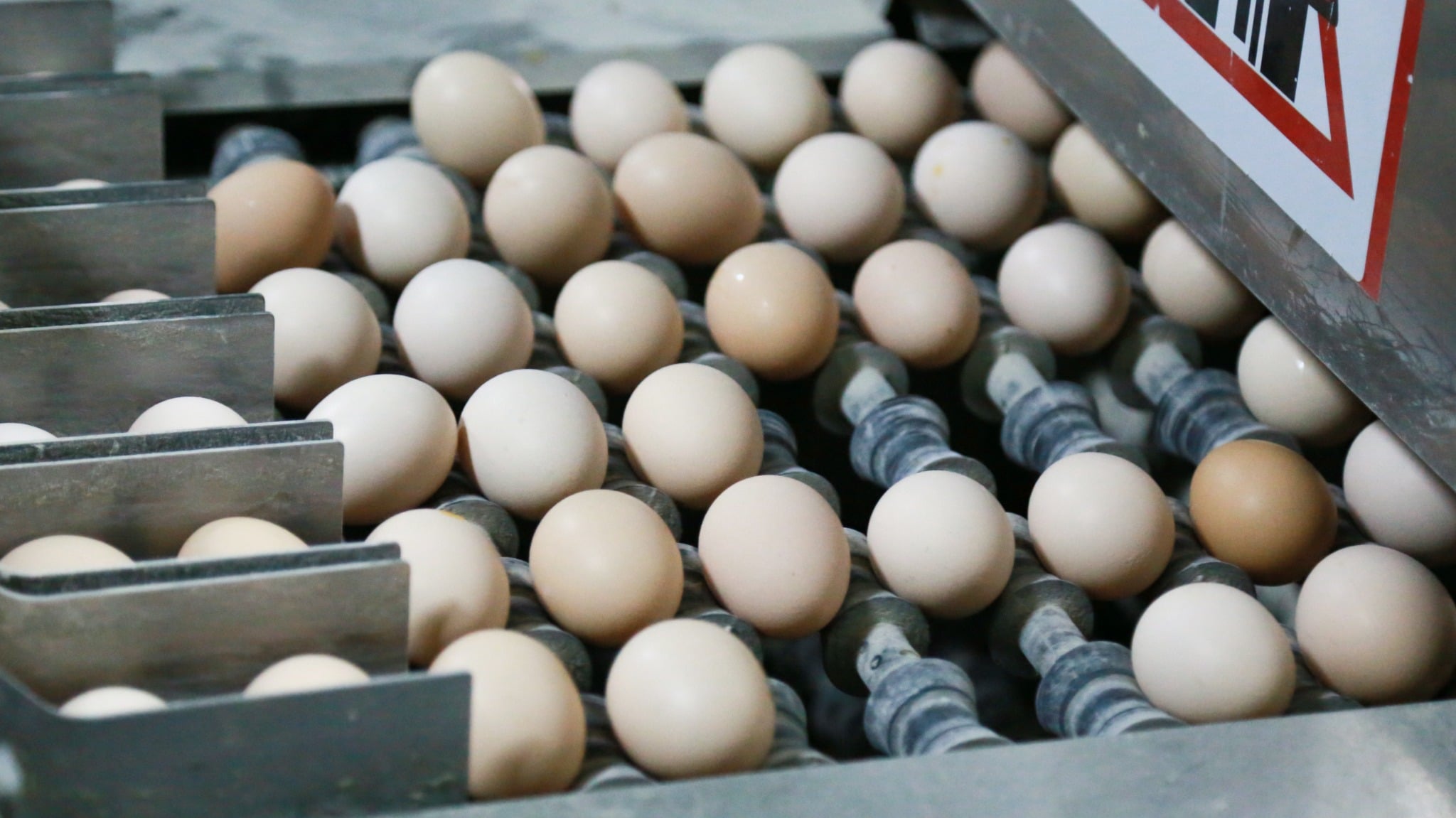
Eggs are guided along rollers and belts, making the handling route clearer and helping keep the packing table from becoming disordered.
Before confirming a similar line, please provide layer house layout, cage rows, egg room dimensions, tray specification, local voltage, expected labor arrangement and whether eggs will be packed manually or connected to a tray-loading machine. These details determine the final conveyor length, turning direction and workstation layout.
The following list describes the common equipment configuration for this type of egg sorting project. Final quantity and dimensions should be customized according to the farm site.
| System | Main Components | Function in the Project | Customization Notes |
|---|---|---|---|
| Egg Receiving | Connection conveyor, receiving section, guide rails | Receives eggs from cage collection or transfer points and directs them into the egg room line. | Matched with cage house layout and egg room entrance position. |
| Transfer Conveyor | Belt conveyor, roller conveyor, motor and support frame | Moves eggs through the room with a stable visible route for workers. | Length, width and turning direction can be adjusted. |
| Inspection Area | Checking table, manual sorting position, lighting area | Allows workers to remove visibly cracked, dirty or abnormal eggs before packing. | Workstation number depends on labor allocation. |
| Tray Packing | Tray loading position, packing table, stacking area | Supports packing eggs into trays and temporary stacking for next handling step. | Compatible tray type should be confirmed before production. |
| Control & Safety | Control cabinet, motor controls, emergency stop options | Supports line start/stop and basic operating safety. | Electrical standard should match local power requirements. |
These photos can be used in the product detail page to show the real project environment, machine details and egg handling process.
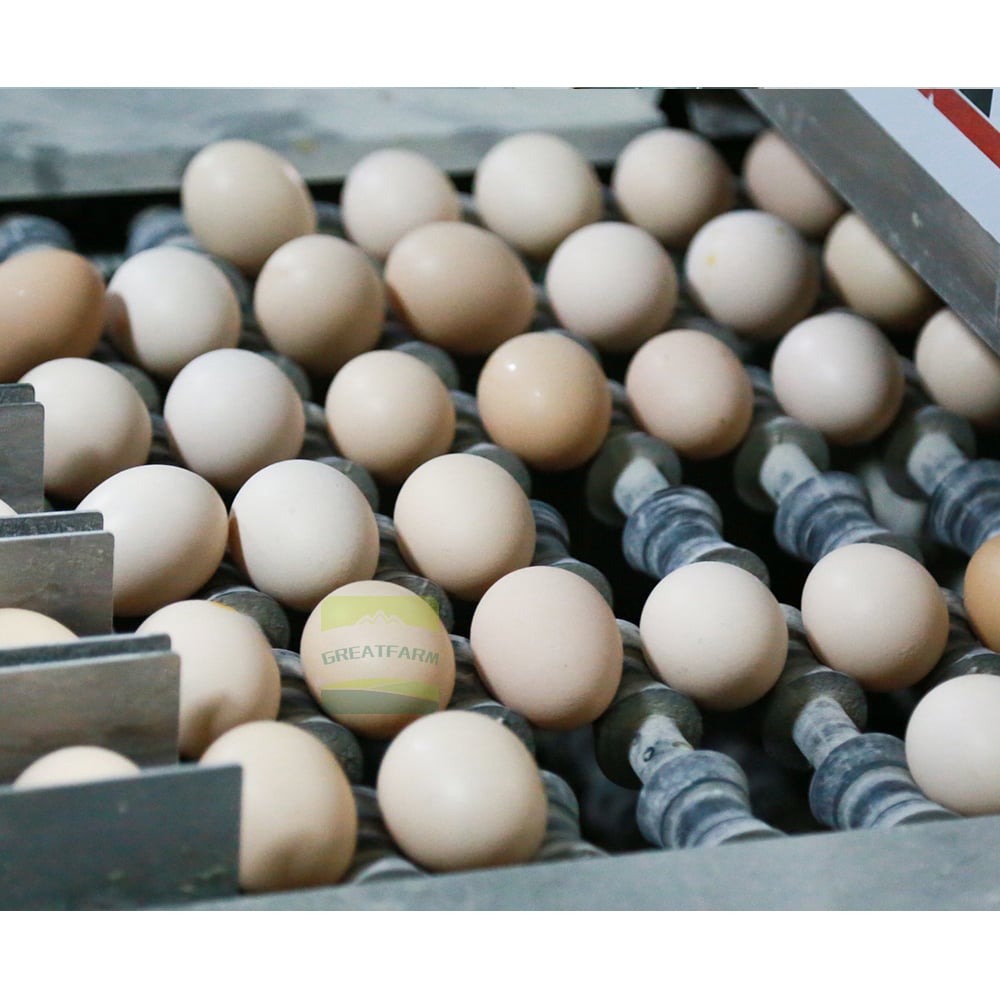
Send your layer house layout, egg room size, cage row quantity and packing method. We can help design a practical egg transfer and sorting solution based on your site conditions.
Zhengzhou Jinhui Agricultural S&T Co., Ltd. provides livestock equipment & smart farm one-stop solutions for global poultry, swine & sheep farms. CE/ISO-certified, OEM/ODM support, 15+ years’ export experience. Request a project assessment today.
Room 1318, 13/F, Building A, Yingxie Plaza, 138 Zhengbian Road, Jinshui District, Zhengzhou City, Henan Province
Copyright © 2026 Zhengzhou Jinhui Agricultural S&T Co., Ltd. All rights reserved. Privacy Policy