EN
01
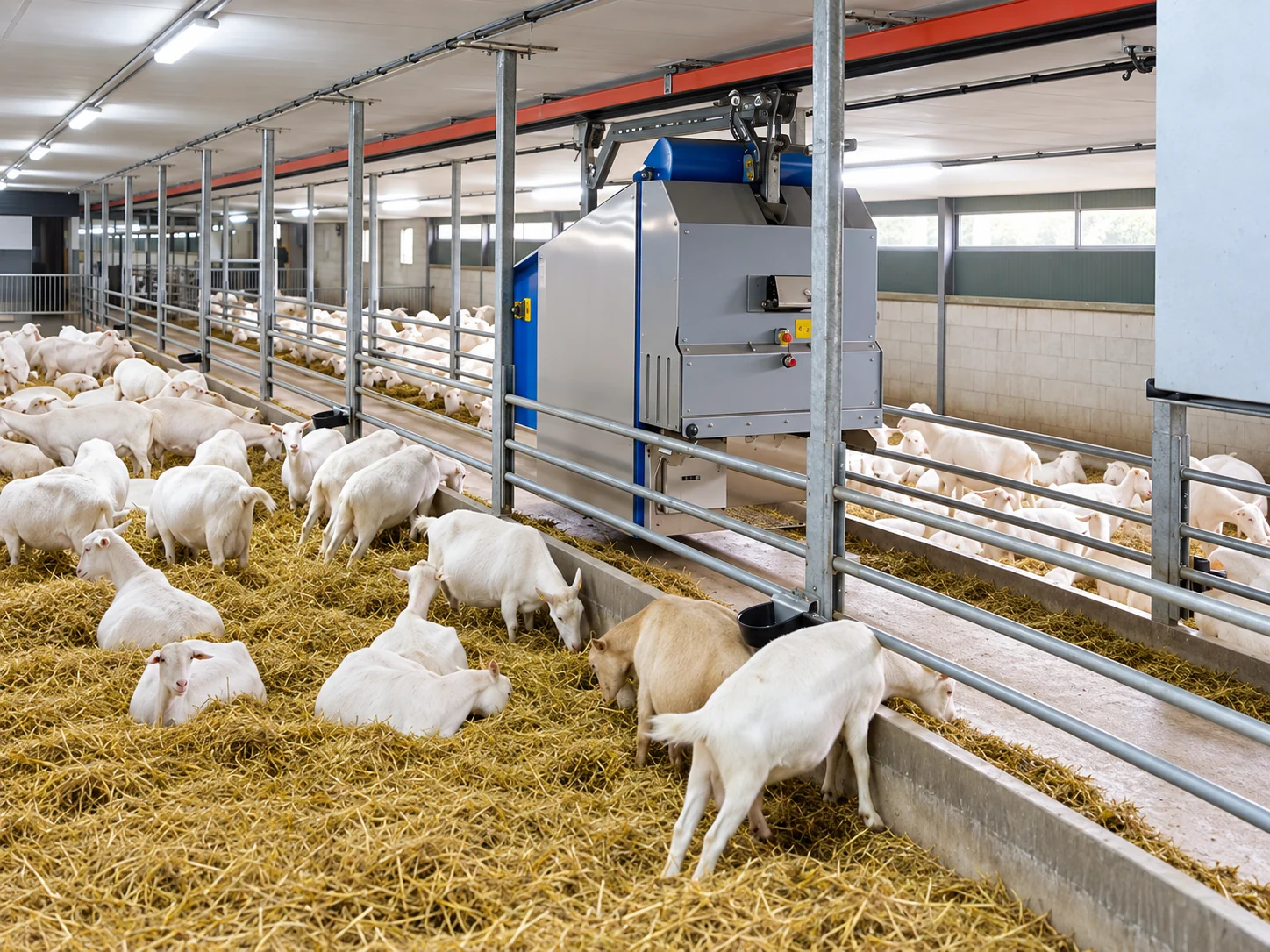
Intelligent Feeding Robot
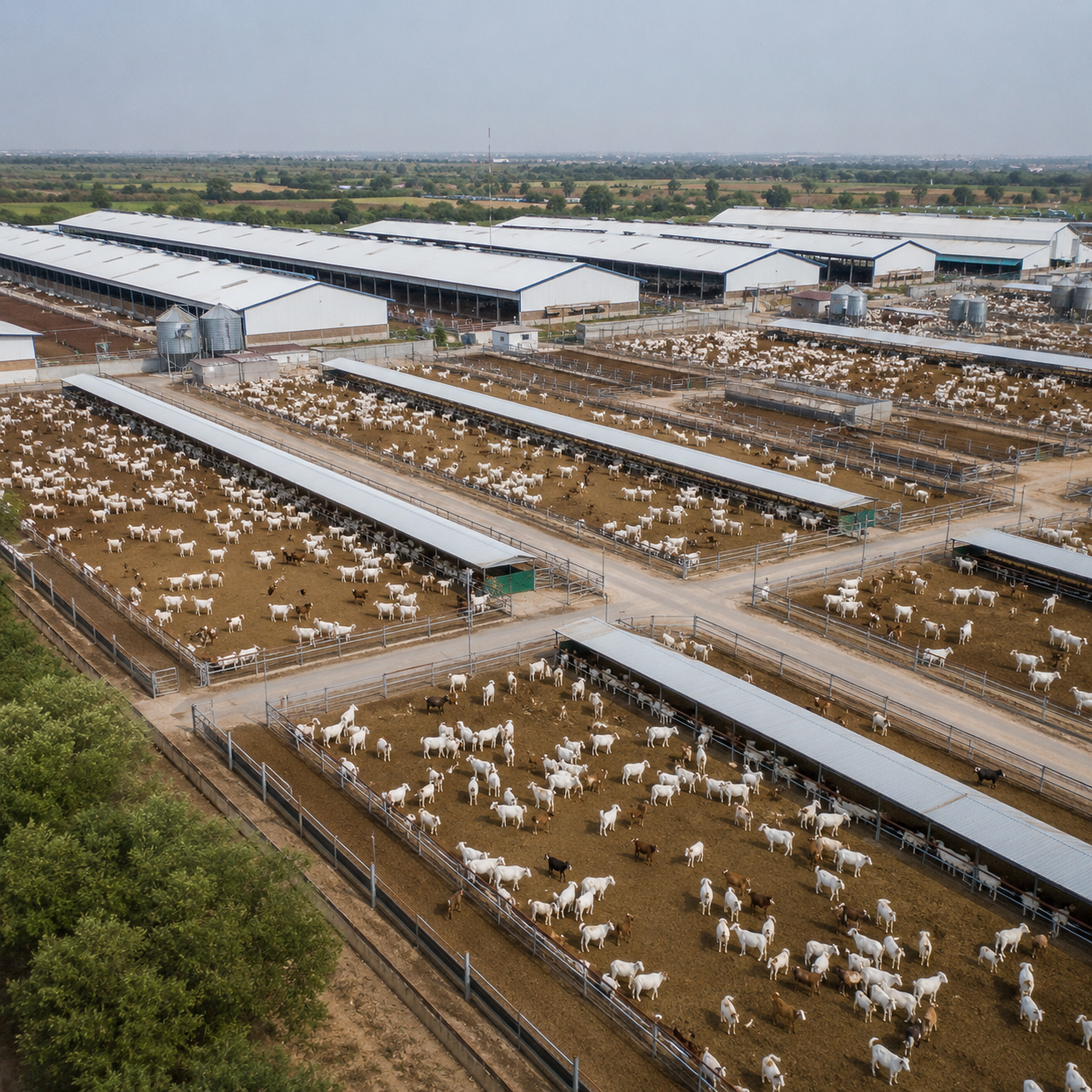
An automated feed delivery option for suitable sheep and goat barns. Route design, feed loading, movement and operating controls require confirmation for each project.


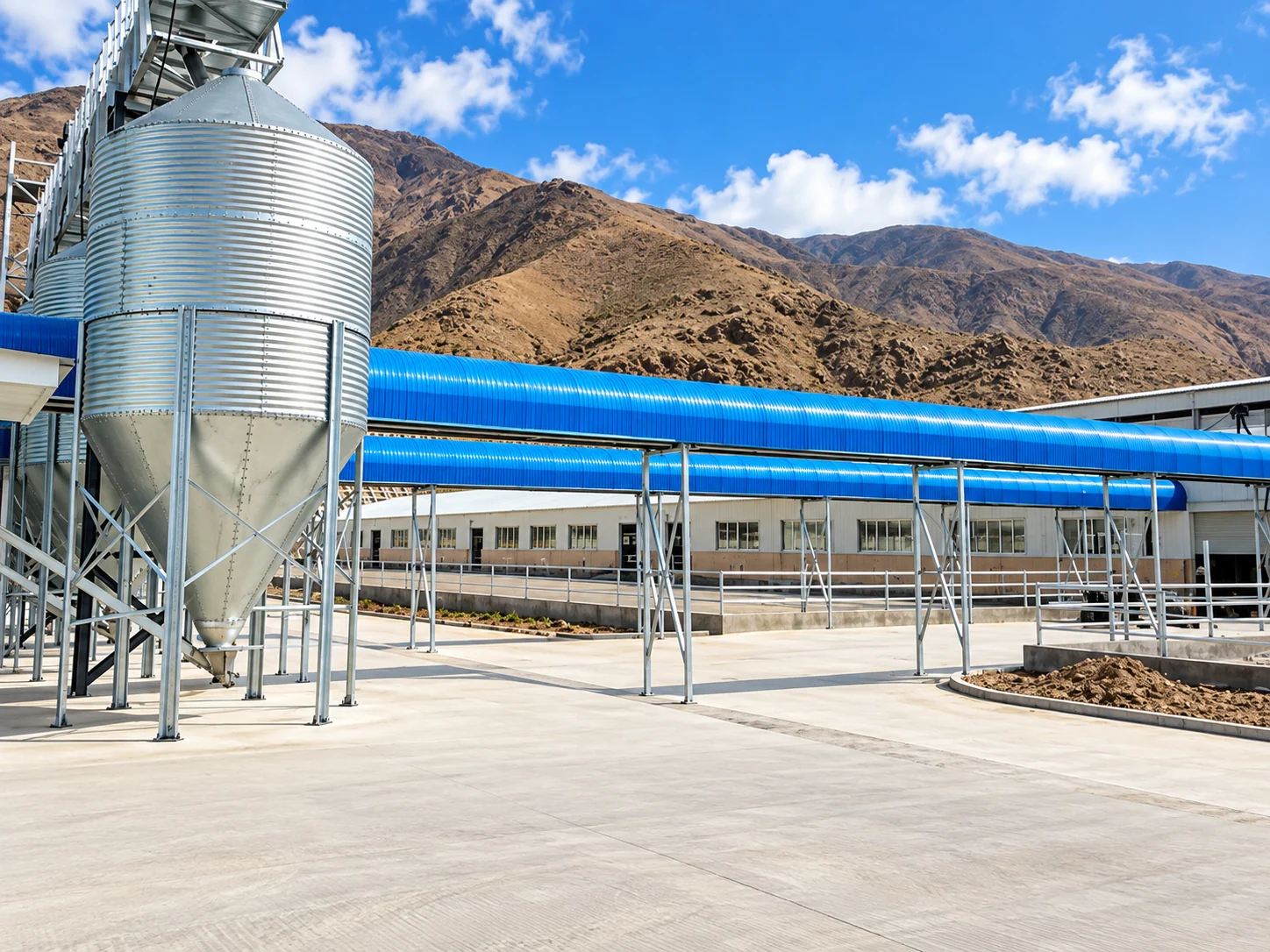
Practical feeding solutions covering feed preparation, TMR mixing, conveying and feed delivery—configured around your herd size, barn layout and ration management requirements.
Feeding equipment selection depends on daily ration volume, animal groups, available access routes and the balance between manual and automated operations. GREAT FARM supports modular equipment selection rather than applying one arrangement to every farm.
An automated feed delivery option for suitable sheep and goat barns. Route design, feed loading, movement and operating controls require confirmation for each project.
A centralized approach incorporating concentrate storage and dosing, roughage addition, optional liquid ingredients, TMR mixing and finished-feed discharge under a control system.
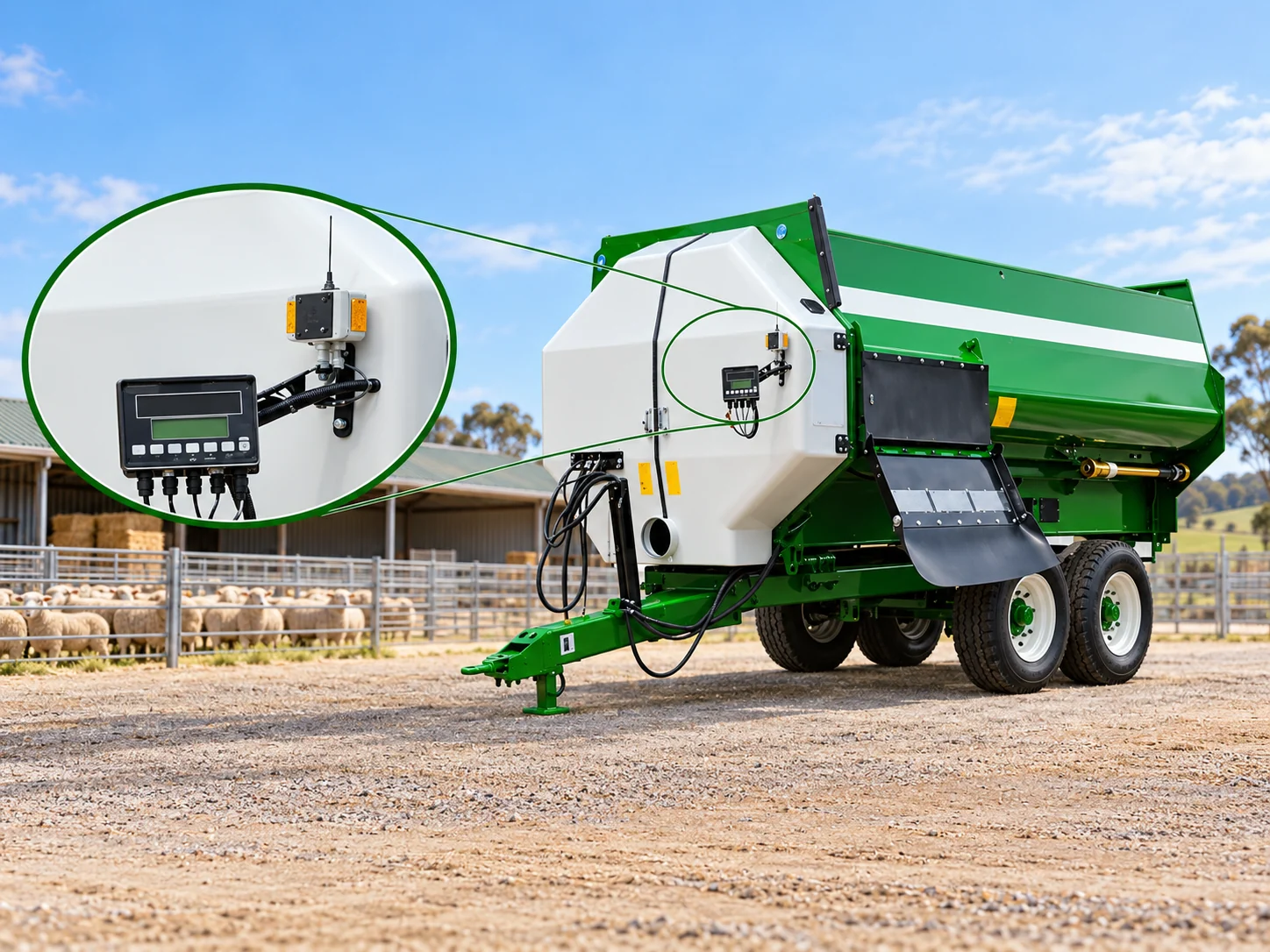
A standalone mixer for preparing total mixed rations before delivery. Mixer volume, cutting/mixing characteristics, drive requirements and discharge arrangement vary by selected machine.
An integrated mixing-station arrangement linking ingredient reception, main ingredient loading, TMR mixing and process controls. Integration is confirmed against the actual equipment specification.
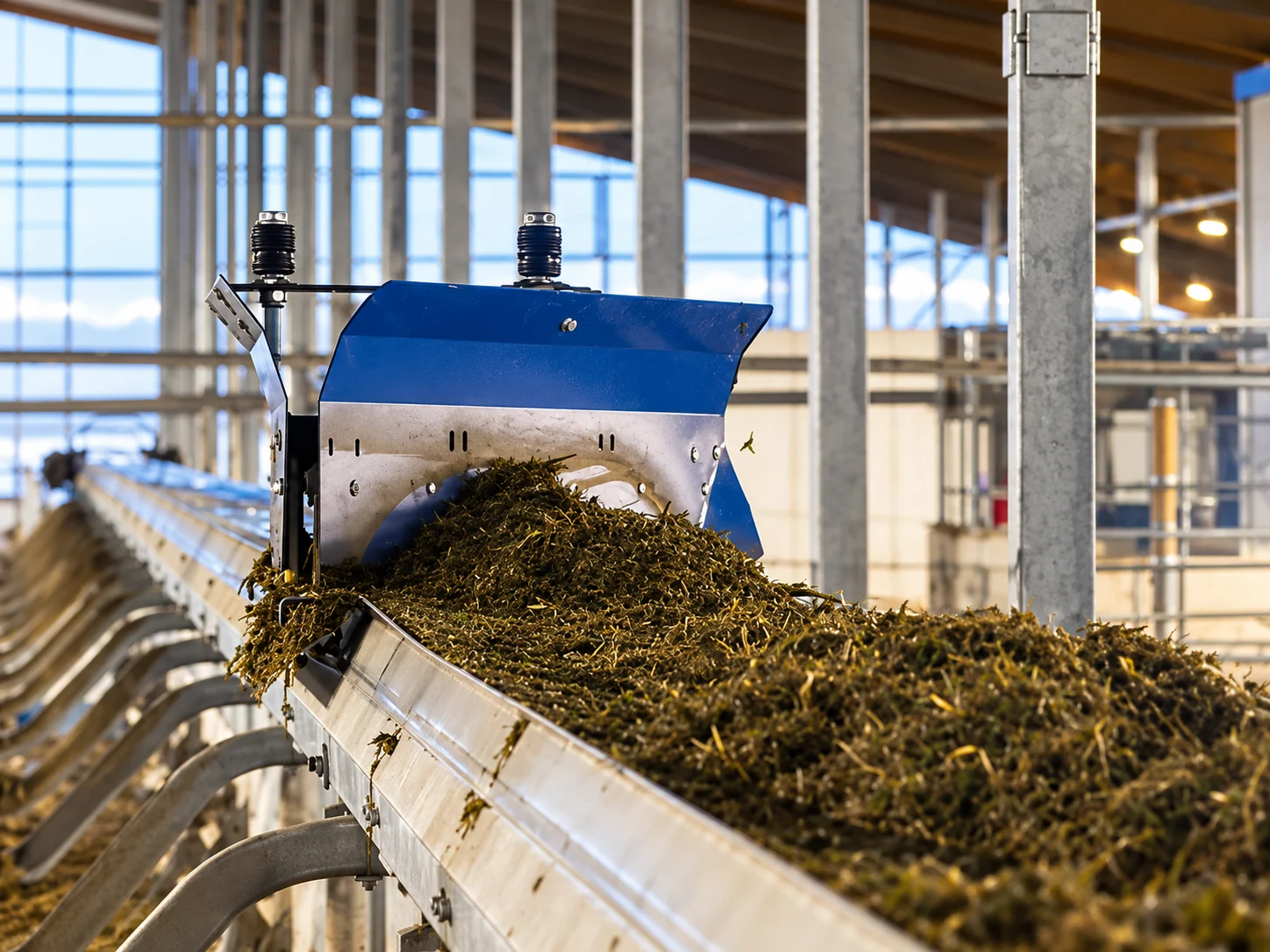
Combines ingredient loading, ration preparation or feeding management, and mechanical conveying/distribution. Belt length and placement are designed for the barn.
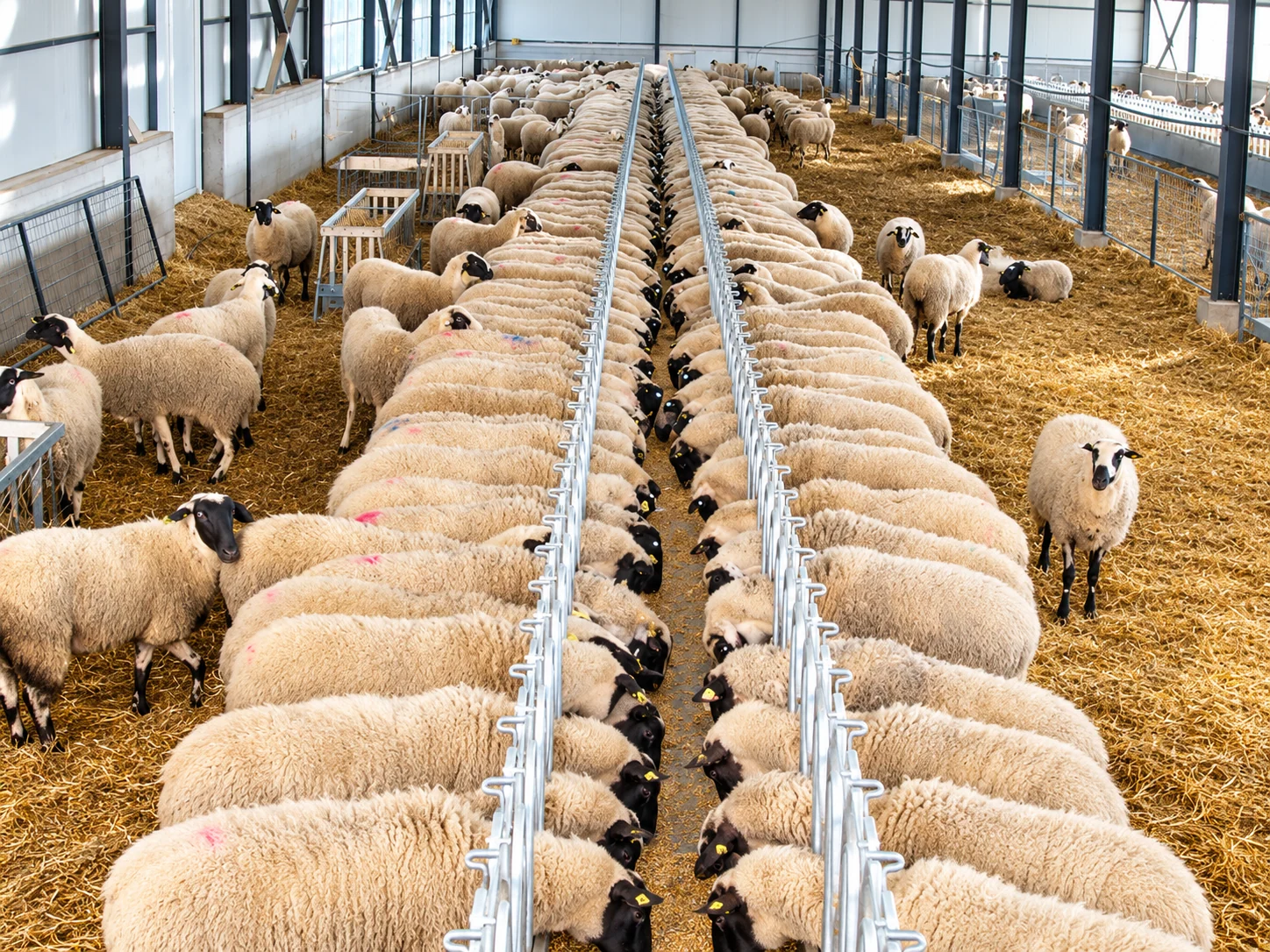
A space-conscious belt delivery layout along the feed line. Applicability depends on trough details, access, hygiene and the housing layout; a site check is required.
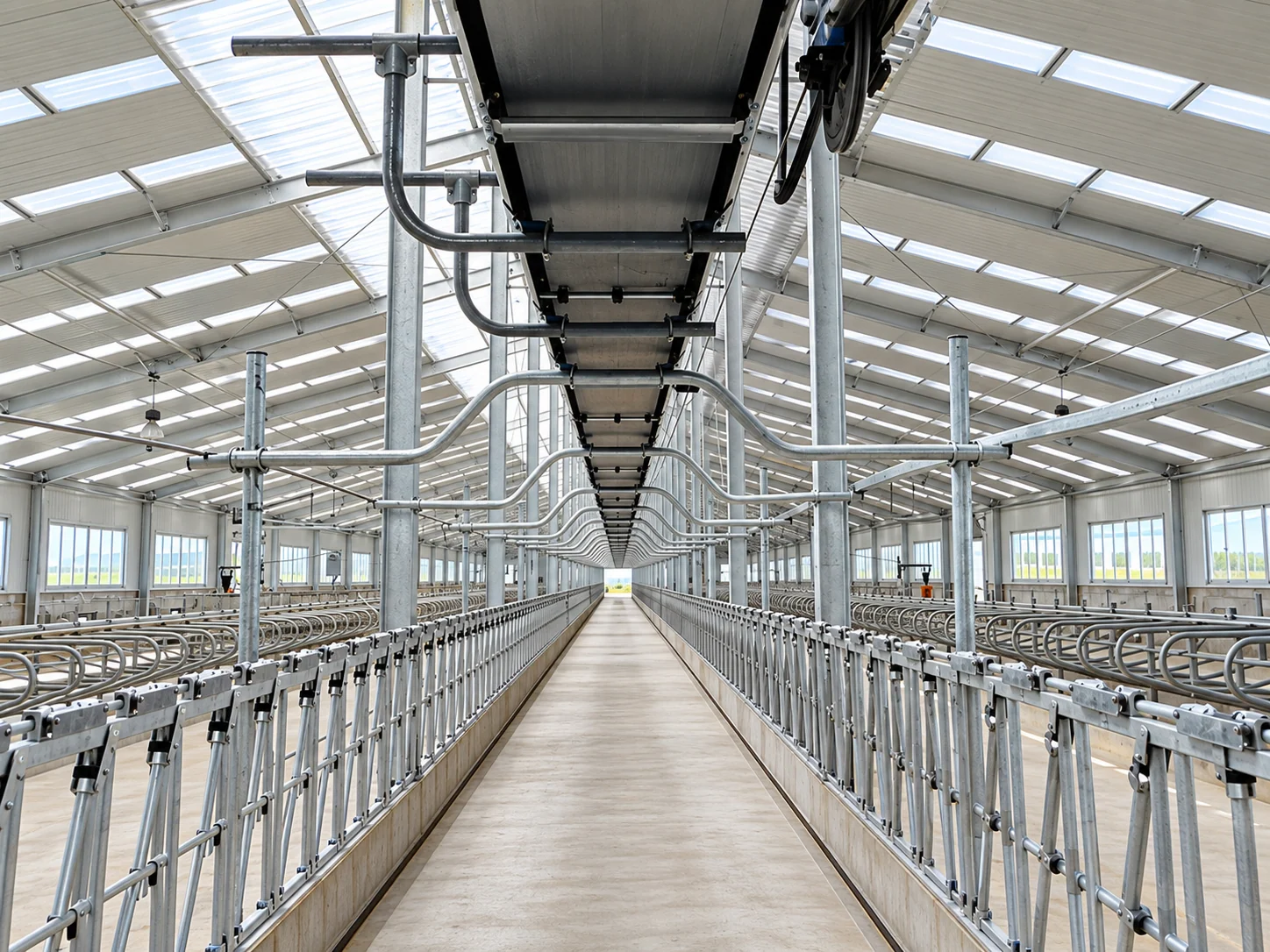
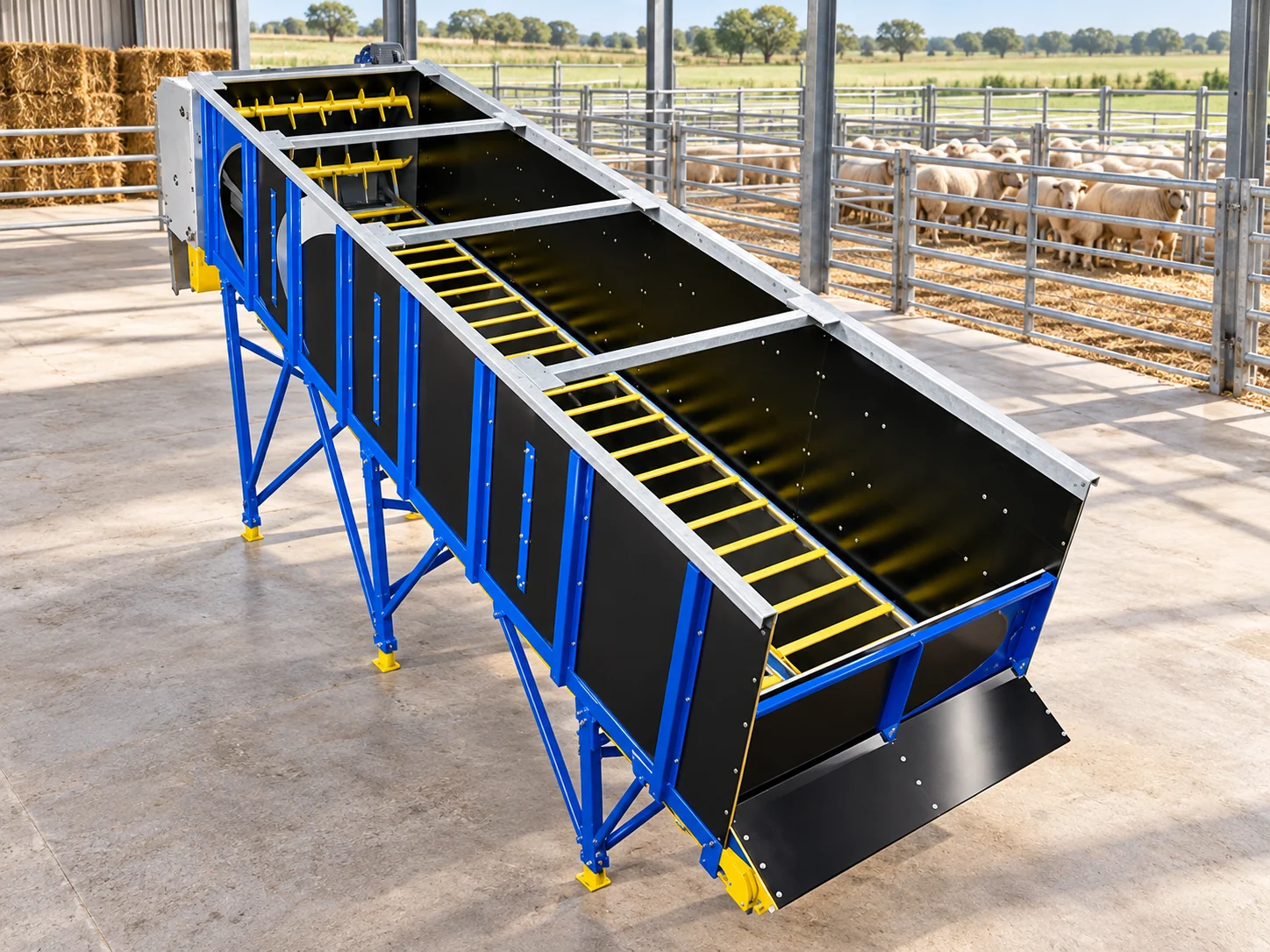
Conveyor-assisted feeding can move prepared feed from the loading point toward feed alleys and troughs. It can be considered where repetitive feed distribution is required and adequate supporting structure is available.
Correct feed preparation helps the farm distribute a ration developed by its nutrition adviser. A central mixing setup can coordinate feed ingredient reception, dosing, mixing and discharge, but the actual mixing sequence and accuracy depend on the equipment chosen.
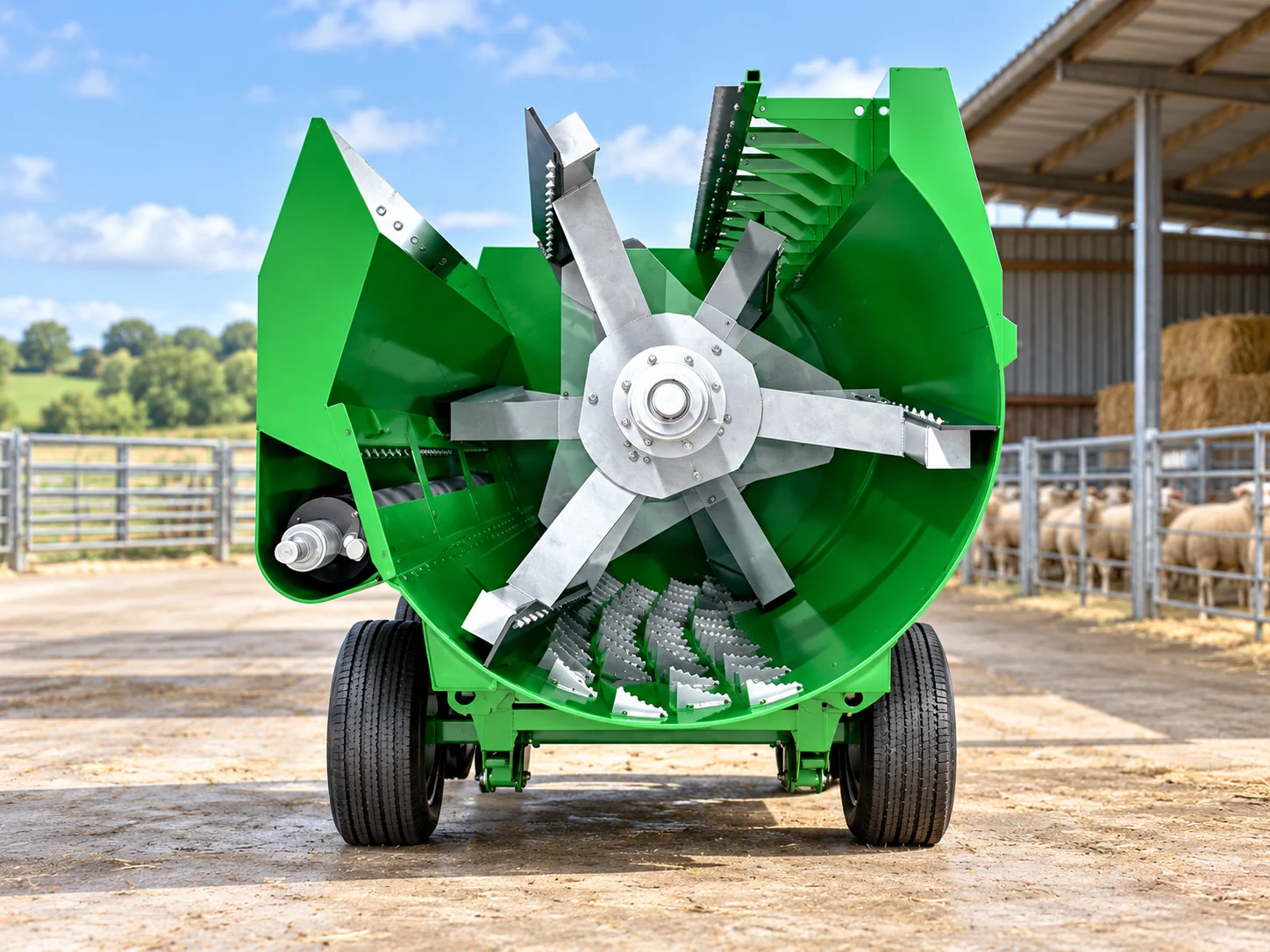
Share your herd size, age groups, building dimensions, ration type and preferred automation level. We can discuss an equipment configuration and identify which details require engineering confirmation.
Request a Feeding System Proposal →The supplied reference document identifies system types and major functions, but does not provide certified model datasheets. The following are selection items—not claimed fixed product specifications.
| Item | Configuration Basis | Confirmation Required |
|---|---|---|
| Farm application | Sheep and goat housing, grouped feeding | Herd size, age groups, feeding schedule |
| TMR mixing capacity | Selected mixer model and ration volume | Batch volume (m³), loading mass, mix cycle |
| Installed power | Motors, conveyors, mixer and controls | Rated kW, voltage, phase, frequency |
| Conveyor configuration | Project-specific belt or overhead feed line | Length, belt width, height, support arrangement |
| Feeding robot | Selected automated feed delivery equipment | Payload, route, speed, guidance and charging mode |
| Control functions | Depending on purchased system package | Recipe, scheduling, sensors and interface options |
| Materials & construction | Specified for feed contact and operating environment | Material grade, coatings, service access |
| Site requirements | Prepared layout and utility coordination | Footprint, civil works, electricity and commissioning |
No numerical output rate, dosing accuracy, feed savings or return-on-investment figure is stated without model data or project testing. Actual scope is subject to quotation and technical drawings.
It depends on ration volume, labor arrangements, building access and investment objectives. A TMR mixer with managed distribution or a selected feeding robot may be considered following a layout review.
Selected systems may be adapted, subject to measured aisle widths, trough design, structural supports, clearances and the available electricity supply.
Some control packages can manage recipe-related processes. Exact weighing, batching, recipe storage and automation features must be confirmed for the offered model.
Potentially, when ingredient handling, mixing and delivery components are compatible. The proposed ration and material properties must be reviewed before equipment selection.
No fixed capacity is specified in the supplied materials. Batch volume, permitted loading mass and mixing power will be stated in the confirmed model datasheet.
No. Operators still need to manage feed supply, inspect equipment, check feed quality, carry out cleaning and respond to alarms or maintenance requirements.
Such integration may be possible when discharge height, conveyance capacity, layout and control compatibility are coordinated during engineering design.
Please provide herd numbers and groups, building drawings, feed type, daily ration, available utilities, country or region, and the preferred level of automation.
Zhengzhou Jinhui Agricultural S&T Co., Ltd. provides livestock equipment & smart farm one-stop solutions for global poultry, swine & sheep farms. CE/ISO-certified, OEM/ODM support, 15+ years’ export experience. Request a project assessment today.
Room 1318, 13/F, Building A, Yingxie Plaza, 138 Zhengbian Road, Jinshui District, Zhengzhou City, Henan Province
Copyright © 2026 Zhengzhou Jinhui Agricultural S&T Co., Ltd. All rights reserved. Privacy Policy