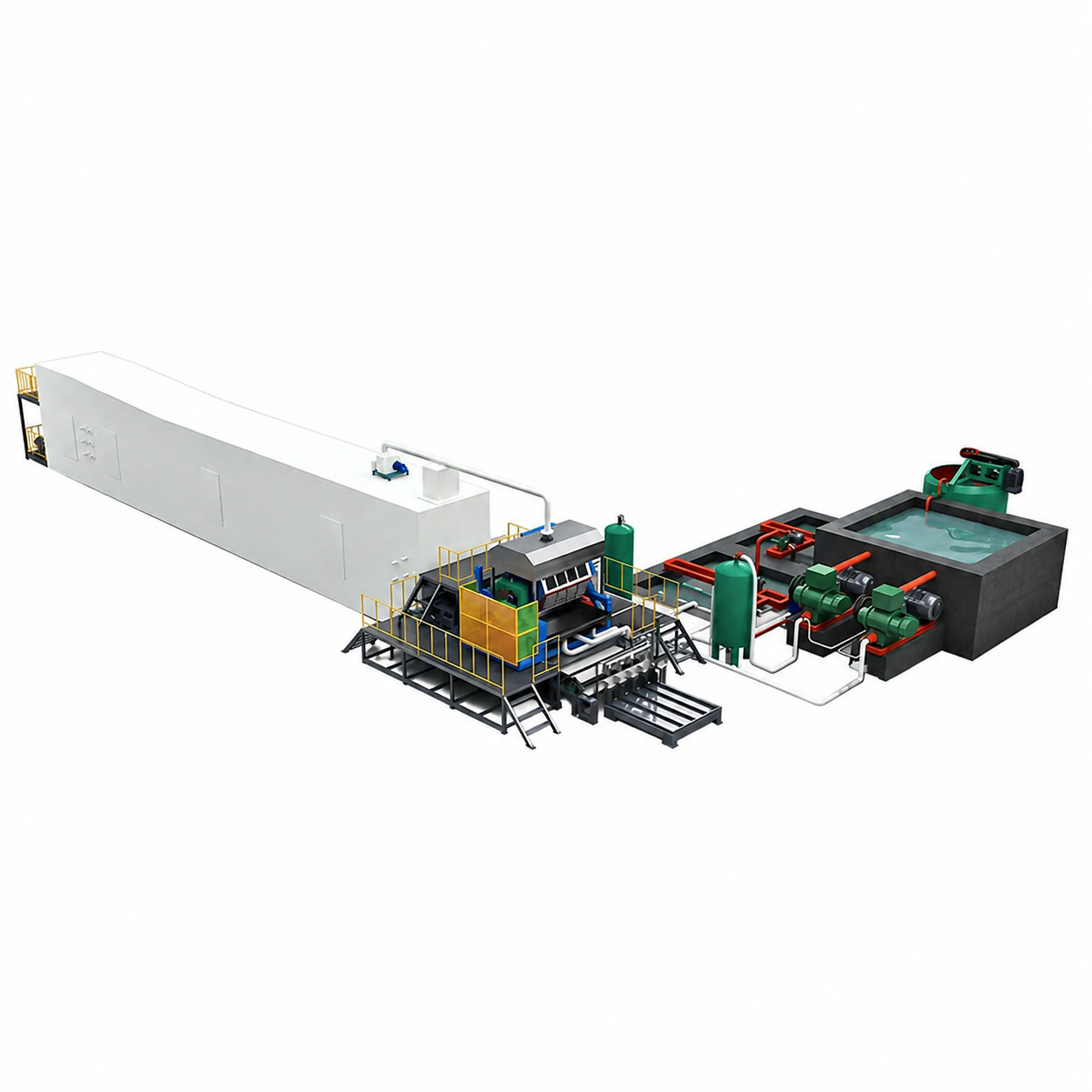
A complete production line for converting waste paper into egg trays, egg cartons, fruit trays, cup trays, wine trays and industrial paper packaging. The system integrates pulping, forming, drying and automatic counting for stable and scalable output.
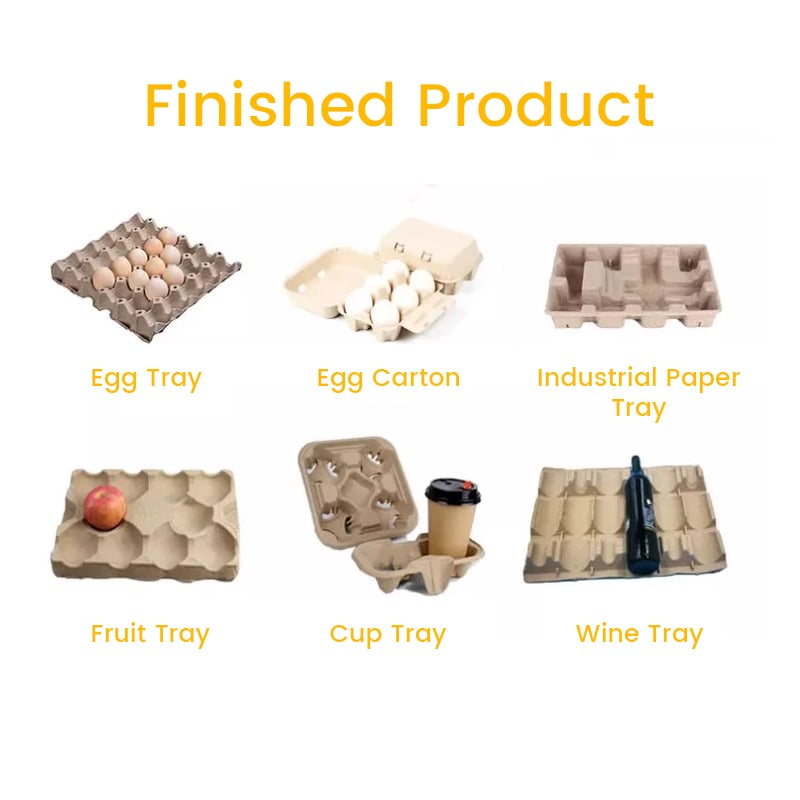
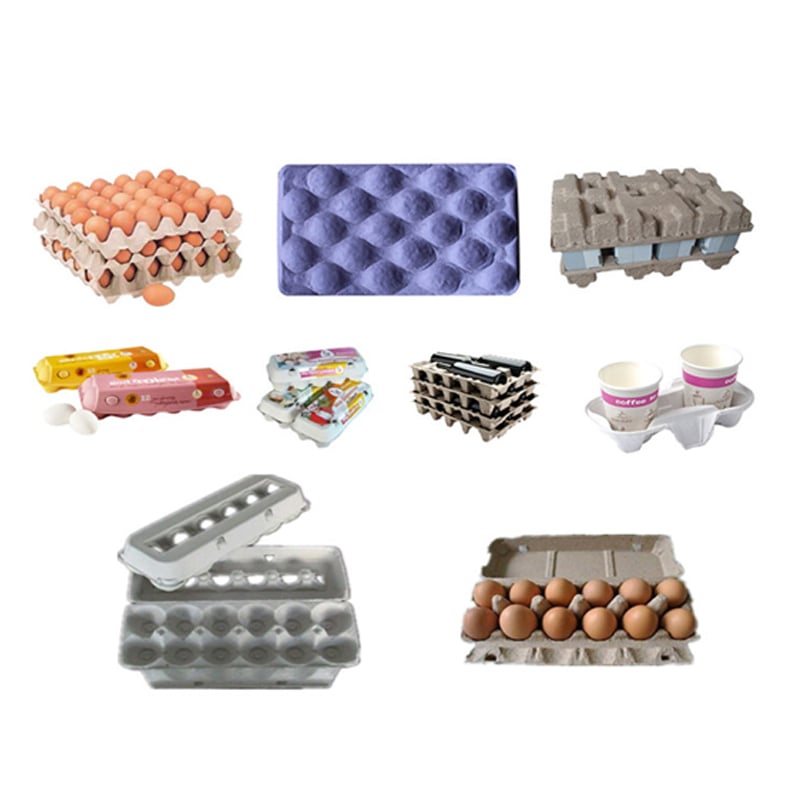
By changing molds, the line can produce egg trays, egg boxes, egg cartons, apple trays, fruit trays, bottle holders, cup trays, seeding trays and industrial protective trays.
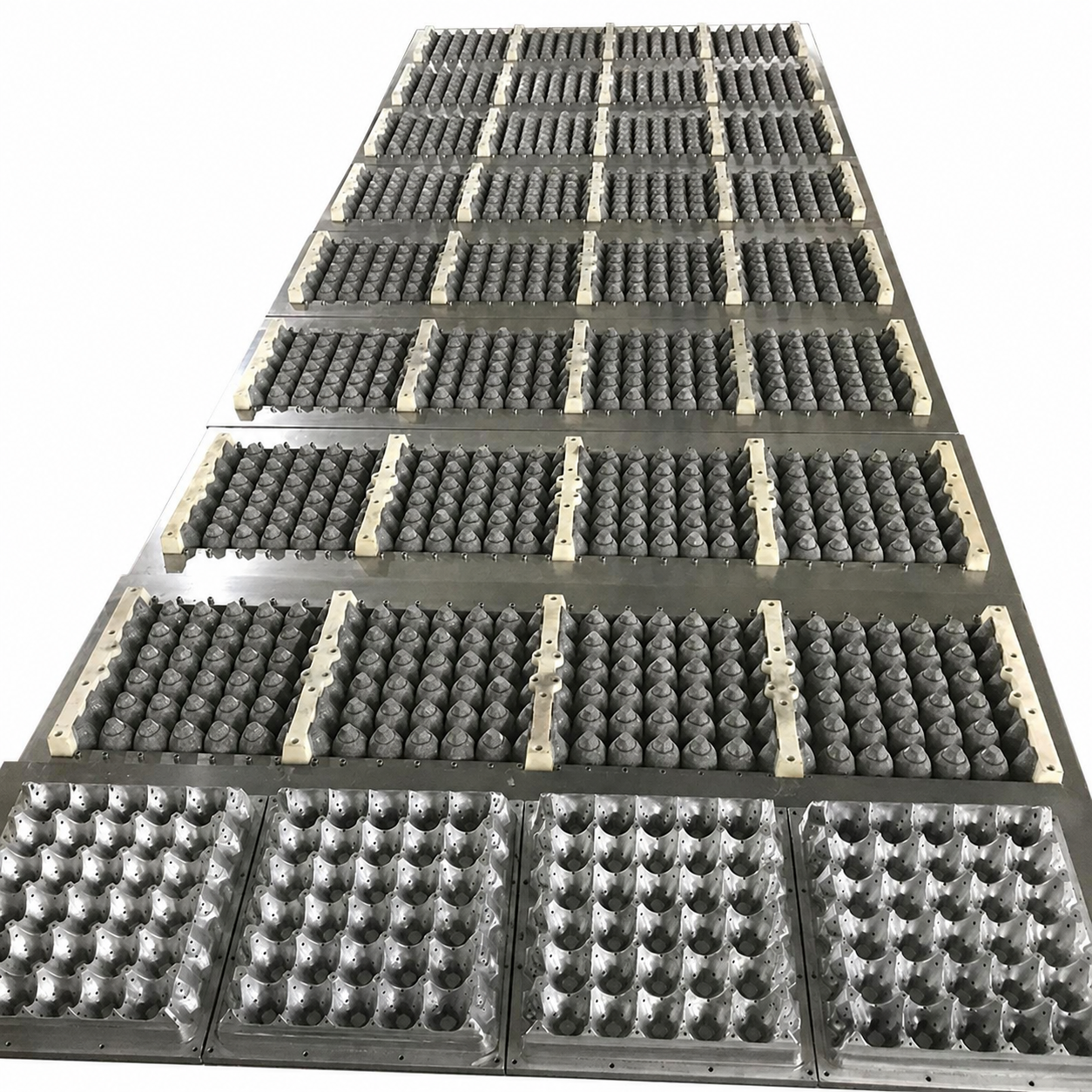
Paper pulp molding is suitable for farms, egg packing centers, fruit packaging companies and industrial protective packaging factories. The mold can be customized according to the product shape and market requirements.
The complete line is designed around water recycling and automated material transfer, helping customers reduce manual handling and keep production stable.
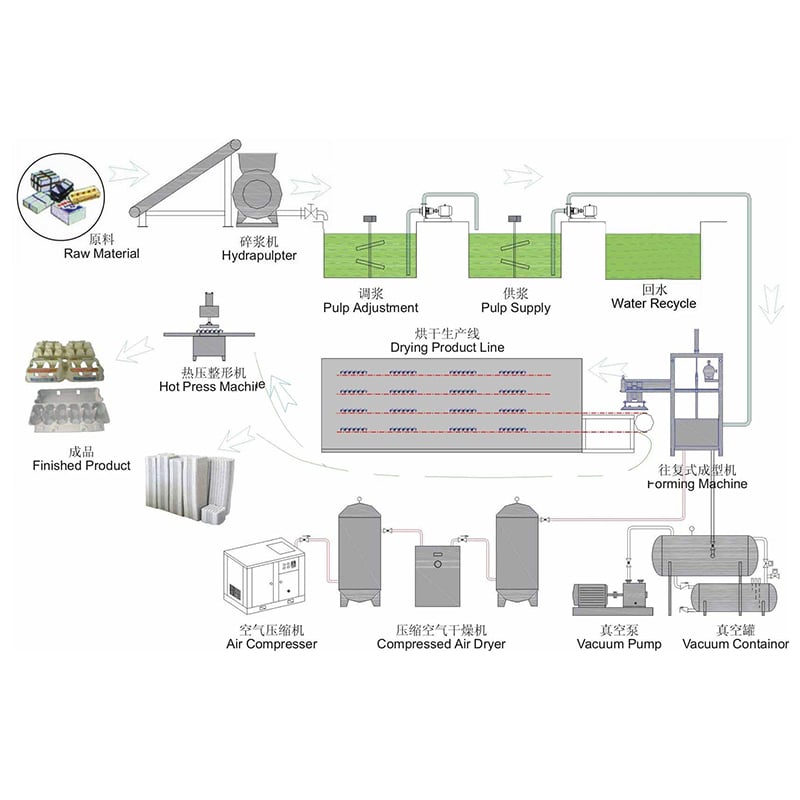
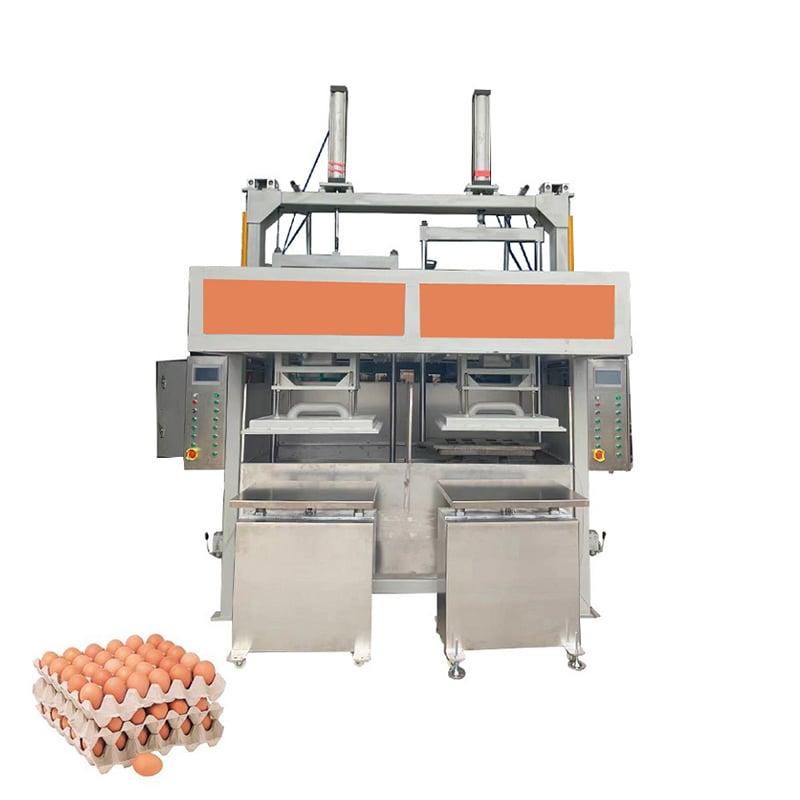
The line can be configured as reciprocating type, drum type or rotary type. Rotary systems are generally selected for larger capacity projects.
Includes waste paper crushing, water mixing, pulp refining, pulp lifting and pulp tank mixing to produce a uniform slurry for stable molding.
Vacuum forming technology helps the mold absorb pulp evenly. PLC control manages pulp absorption time, transfer movement and air blowing demolding.
Gas, diesel or coal powder heating can be configured. Burner and blower generate hot air, while insulation panels help maintain drying efficiency.
After forming, process water returns to the water pool and can be recycled in the pulping system, improving resource utilization.
After drying, trays enter the automatic counting and stacking system. Operators can set stack quantities such as 100 or 200 pieces.
Molds can be customized for egg trays, cartons, fruit trays, cup holders, bottle trays and industrial packing trays.
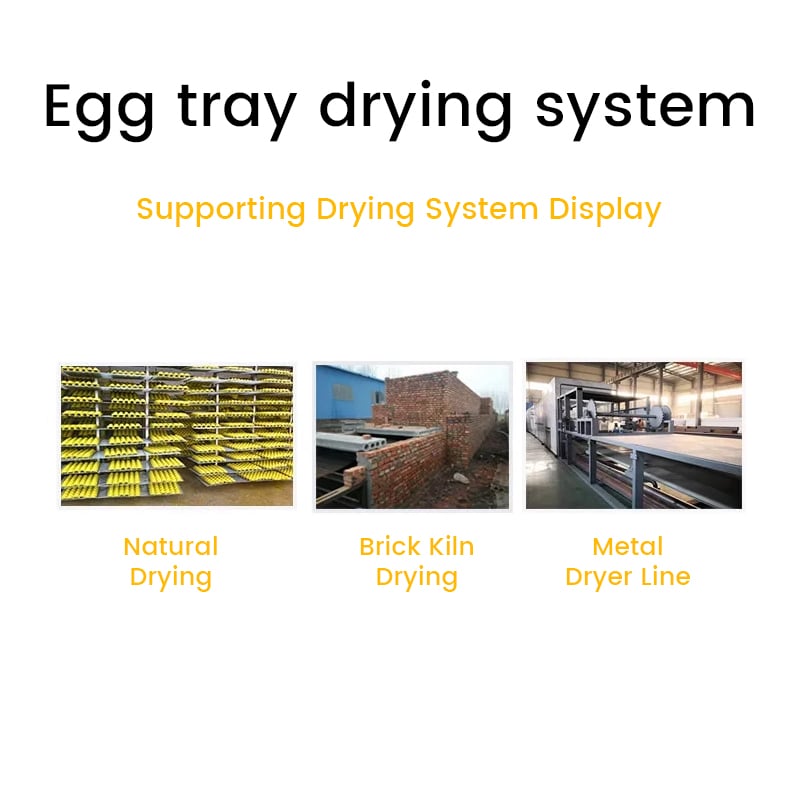
Small reciprocating lines can use natural drying or trolley-type drying. Higher-capacity drum and rotary lines are better matched with mesh belt dryer systems.
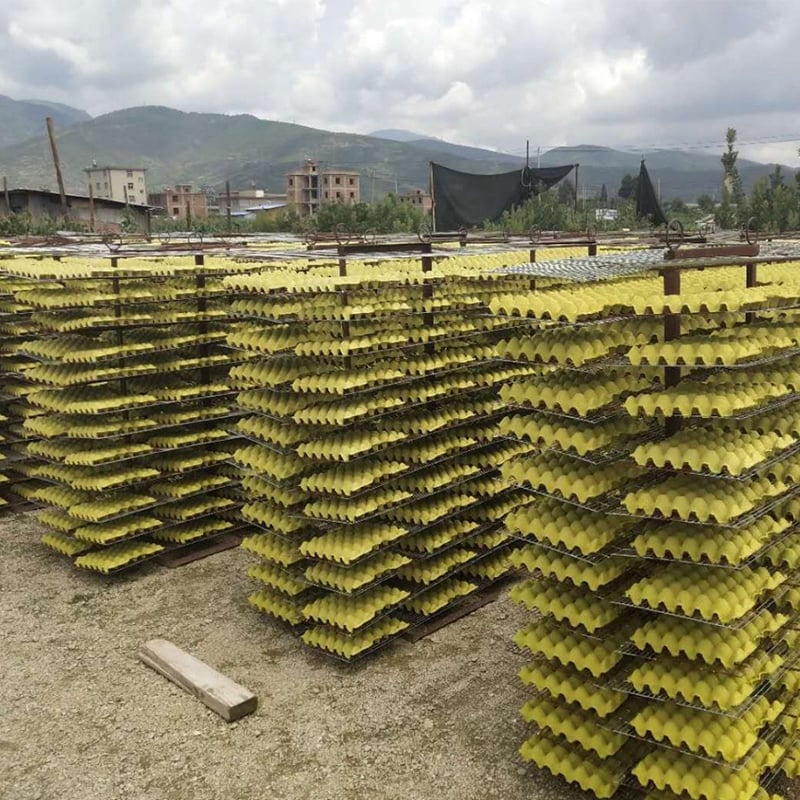
Suitable for small output and warm, dry climates. It offers low investment and simple operation, but depends on weather and land area.
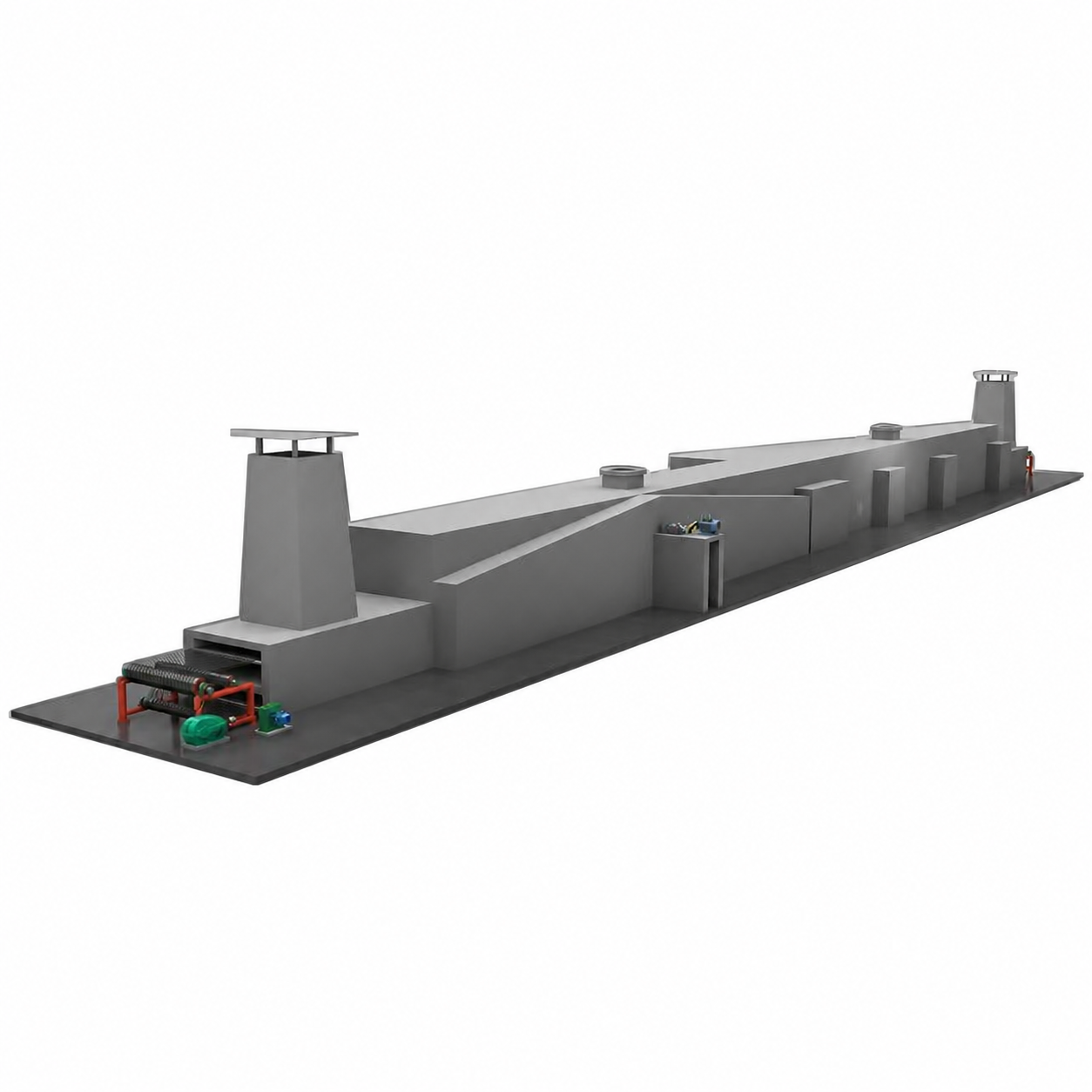
Practical for medium projects that need stronger drying stability and controlled heat circulation with moderate construction cost.
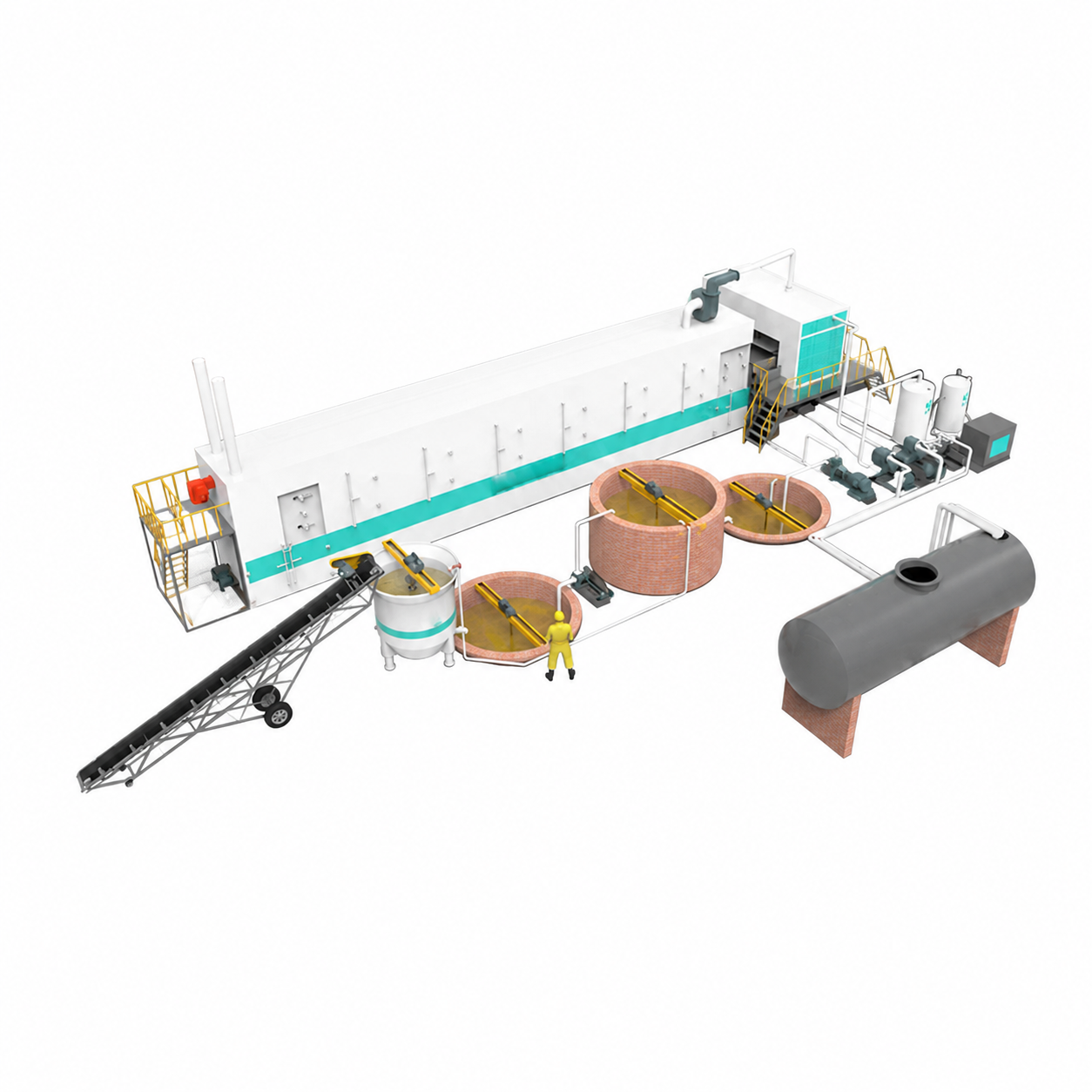
Recommended for high-capacity drum or rotary lines. Mesh belt drying improves automation and supports continuous production.
A complete project can include hydrapulper, pulp pool, forming machine, vacuum pump, air compressor, dryer, hot press, mold set, counting stacker and packing equipment.
The line layout can be designed according to workshop space, target output, fuel source and local installation conditions. The system supports modular expansion from entry-level lines to high-capacity continuous production.
Final output, dryer length and mold arrangement should be confirmed according to the selected machine model and customer product type.
| System | Main Components | Function | Configuration Notes |
|---|---|---|---|
| Pulping | Shredder, refiner, pulp pool, pulp pump, water pool | Converts waste paper into uniform pulp slurry | Water recycling design can be integrated |
| Forming | Forming machine, molds, vacuum pump, air compressor, PLC | Absorbs pulp by vacuum and forms wet trays | Reciprocating, drum and rotary types available |
| Drying | Natural racks, trolley dryer, brick kiln or metal mesh belt dryer | Removes moisture from wet molded products | Gas, diesel or coal powder heating can be selected |
| Finishing | Hot press machine, automatic counting and stacking | Improves shape, stacks products and prepares packing | Counting quantity can be set, such as 100 or 200 pieces |
| Finished Products | Egg tray, egg carton, fruit tray, wine tray, cup tray, industrial tray | Meets different agriculture and packaging markets | Molds are customized according to product requirements |
Use this gallery to show the complete production process, drying solutions, finished products, molds and main forming equipment.
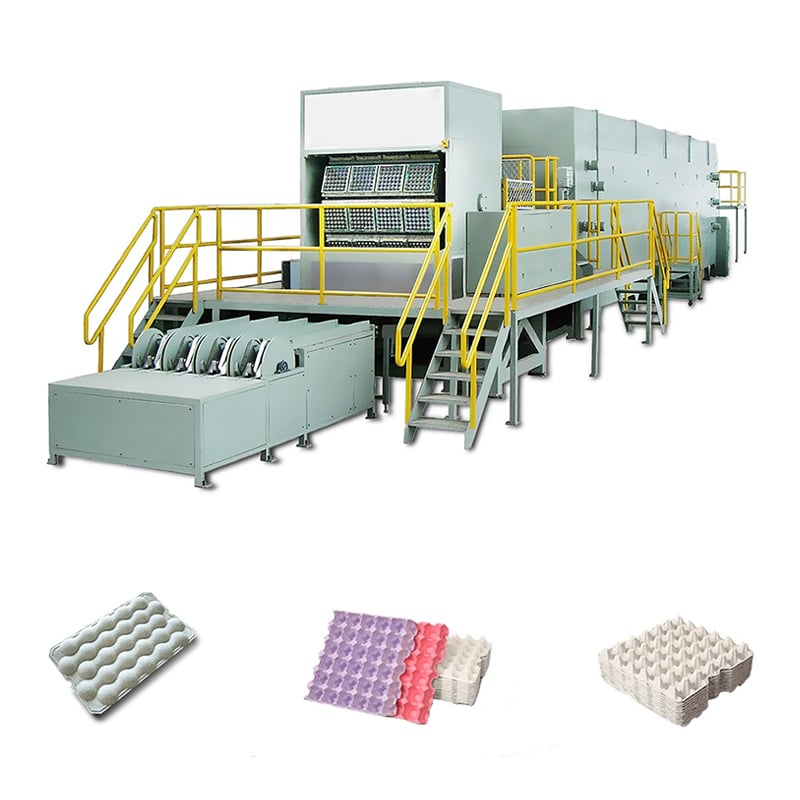
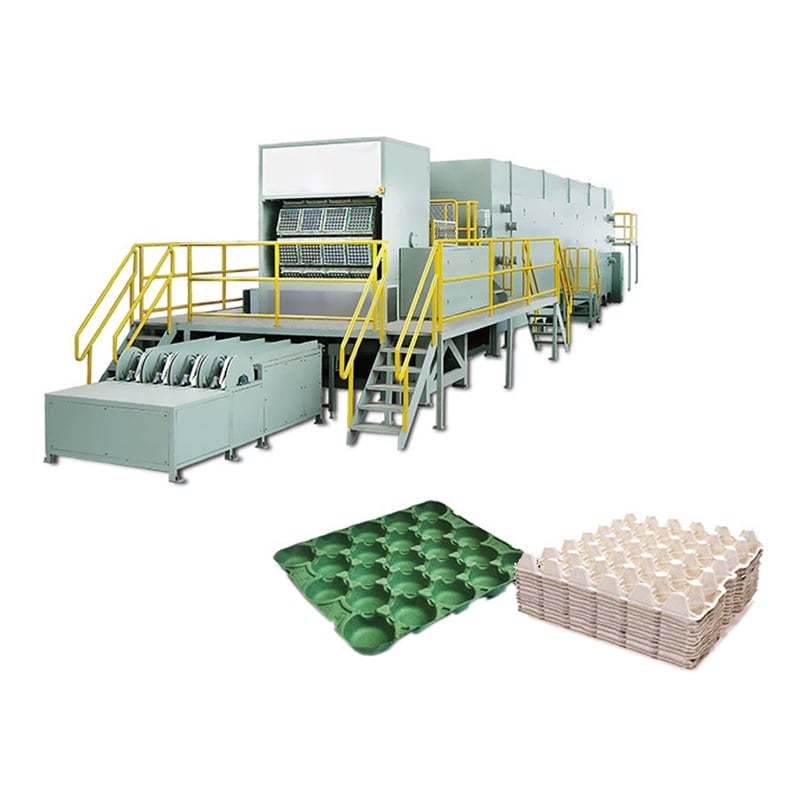
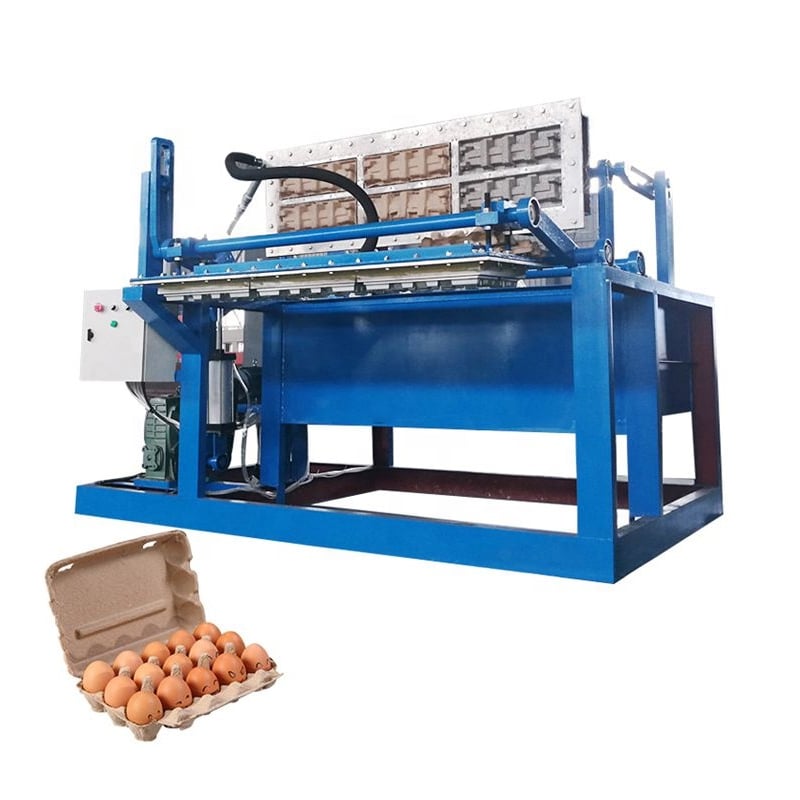
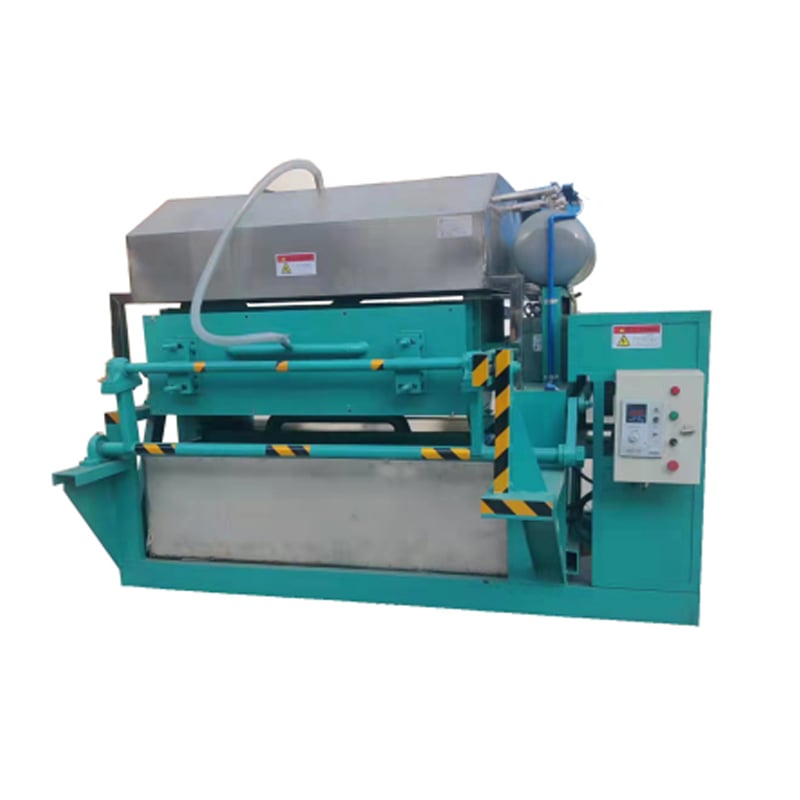
We can help configure the pulping system, forming machine type, dryer solution, mold set and workshop layout according to your raw material, fuel source, product type and capacity requirement.
Zhengzhou Jinhui Agricultural S&T Co., Ltd. provides livestock equipment & smart farm one-stop solutions for global poultry, swine & sheep farms. CE/ISO-certified, OEM/ODM support, 15+ years’ export experience. Request a project assessment today.
Room 1318, 13/F, Building A, Yingxie Plaza, 138 Zhengbian Road, Jinshui District, Zhengzhou City, Henan Province
Copyright © 2026 Zhengzhou Jinhui Agricultural S&T Co., Ltd. All rights reserved. Privacy Policy
 EN
EN