Hen Cage Price Guide: Features and Benefits

All Categories

hen cage price

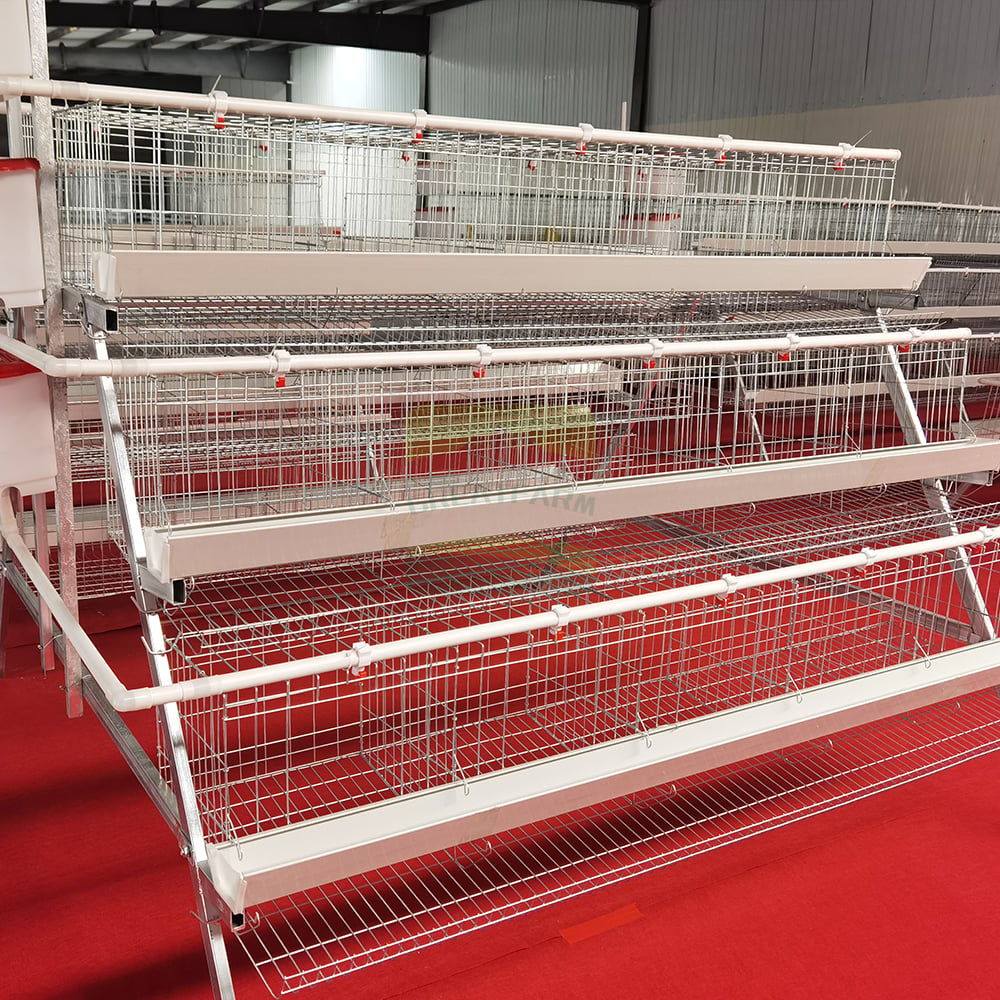
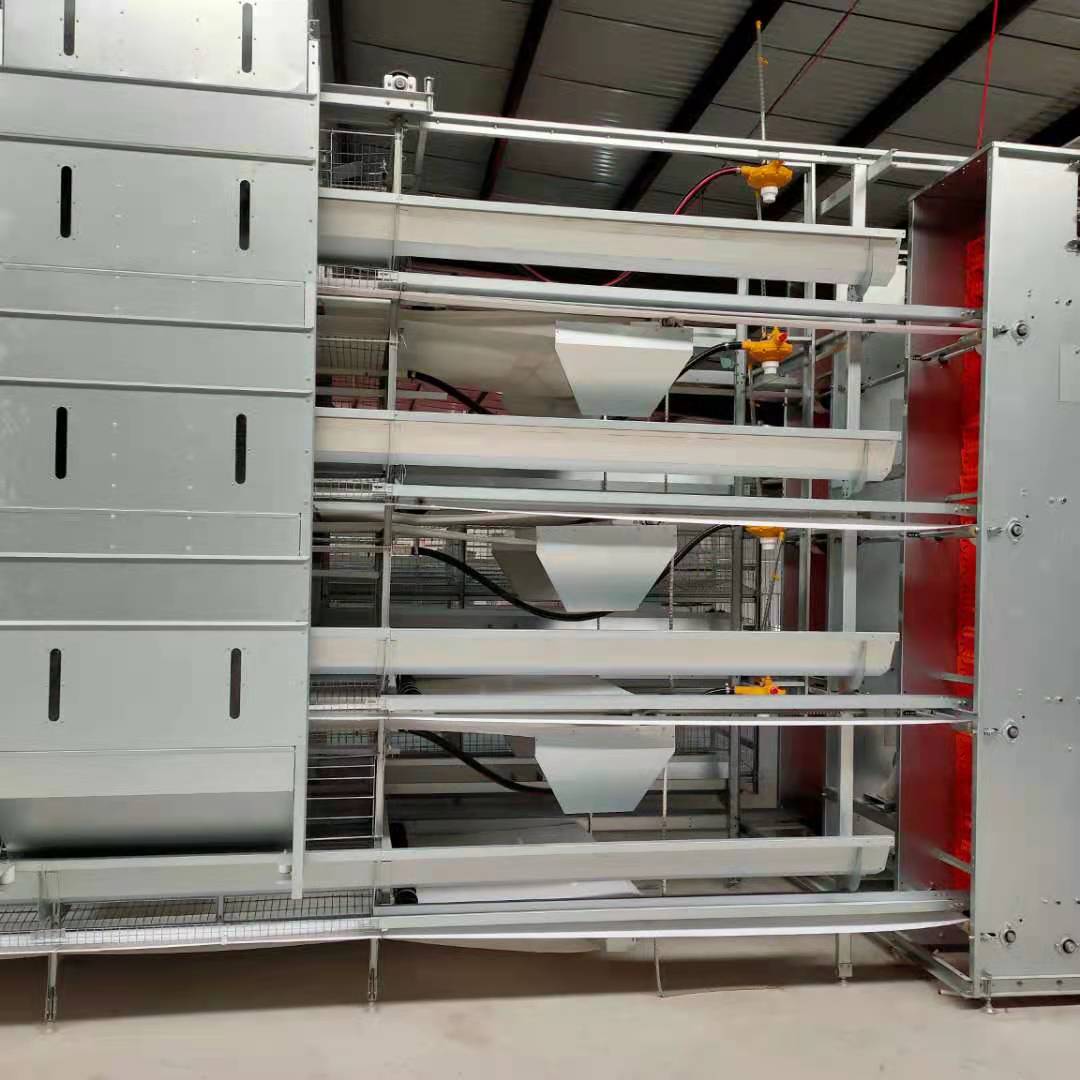
Understanding hen cage price is essential for poultry farmers seeking to optimize their operations and maximize profitability. Hen cages, also known as layer cages or battery cages, are specialized housing systems designed to accommodate laying hens in commercial egg production facilities. The hen cage price varies significantly based on multiple factors including cage type, material quality, capacity, automation level, and manufacturer specifications. Modern hen cages serve the primary function of providing organized, hygienic, and efficient housing that facilitates egg collection, feeding, watering, and waste management. Technological features incorporated into contemporary designs include galvanized steel wire construction for durability and corrosion resistance, automated feeding systems, nipple drinker installations, egg collection belts, and manure removal conveyors. The hen cage price typically reflects these advanced features, with basic manual systems starting at lower price points while fully automated setups command premium investments. Applications span from small-scale family farms with a few hundred birds to large commercial operations housing tens of thousands of layers. The cage systems are engineered to maximize space utilization, typically arranging birds in tiered configurations that allow multiple levels within a single structure. When evaluating hen cage price, farmers must consider not only the initial purchase cost but also installation expenses, expected lifespan, maintenance requirements, and the system's contribution to overall production efficiency and bird welfare standards.
Popular Products

Investing in quality hen cages offers numerous practical benefits that justify careful consideration of hen cage price options. First, proper cage systems dramatically improve space efficiency, allowing farmers to house significantly more birds per square meter compared to free-range or floor systems, directly impacting revenue potential without proportionally increasing land costs. The organized structure simplifies daily management tasks, reducing labor requirements for feeding, egg collection, and cleaning operations, which translates to lower ongoing operational expenses. When comparing hen cage price across different models, buyers discover that higher-quality systems deliver superior durability, often lasting fifteen to twenty years with proper maintenance, providing excellent long-term value despite higher upfront costs. Modern cage designs incorporate features that enhance bird health and productivity, including appropriate spacing that reduces aggressive behaviors, sloped floors for automatic egg rolling that minimizes breakage, and efficient ventilation that maintains optimal environmental conditions. The hen cage price also reflects hygiene advantages, as elevated cage systems separate birds from accumulated waste, reducing disease transmission and improving overall flock health, which decreases veterinary costs and mortality rates. Automated systems, though commanding higher hen cage price points, offer remarkable operational benefits by ensuring consistent feed distribution, constant water availability, and timely egg collection, all contributing to improved egg quality and production rates. Decision-makers should evaluate hen cage price within the context of total cost of ownership, factoring in reduced feed waste, lower medication expenses, decreased labor costs, and increased production efficiency. The right cage investment supports compliance with industry standards and animal welfare regulations, protecting business reputation and market access while optimizing profitability across the production cycle.

Tips And Tricks

Farrowing Crates For Pigs

03

Jun

Farrowing Crates For Pigs

View More
How to Choose Farrowing and Gestation Equipment for a Modern Pig Farm

05

Jun

How to Choose Farrowing and Gestation Equipment for a Modern Pig Farm

View More
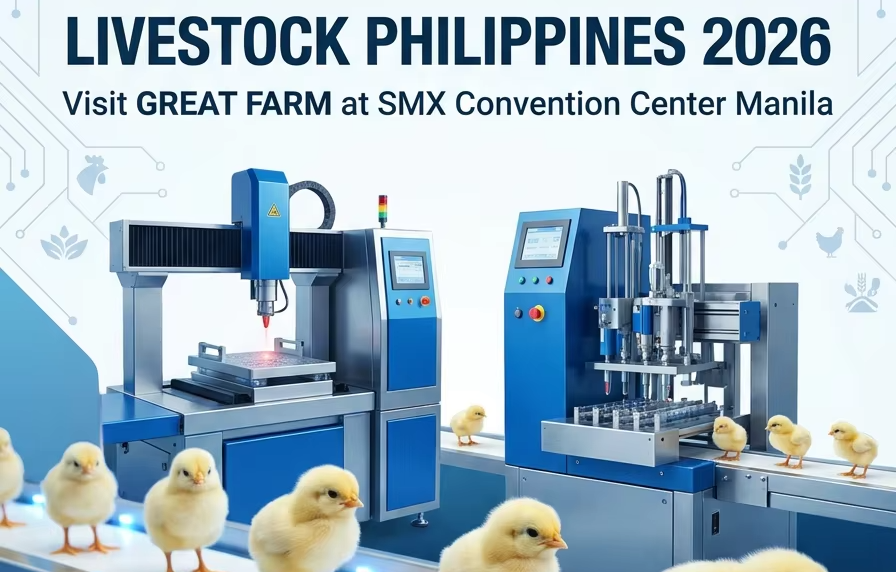
GREAT FARM Invites You to Livestock Philippines 2026

05

Jun

GREAT FARM Invites You to Livestock Philippines 2026

View More
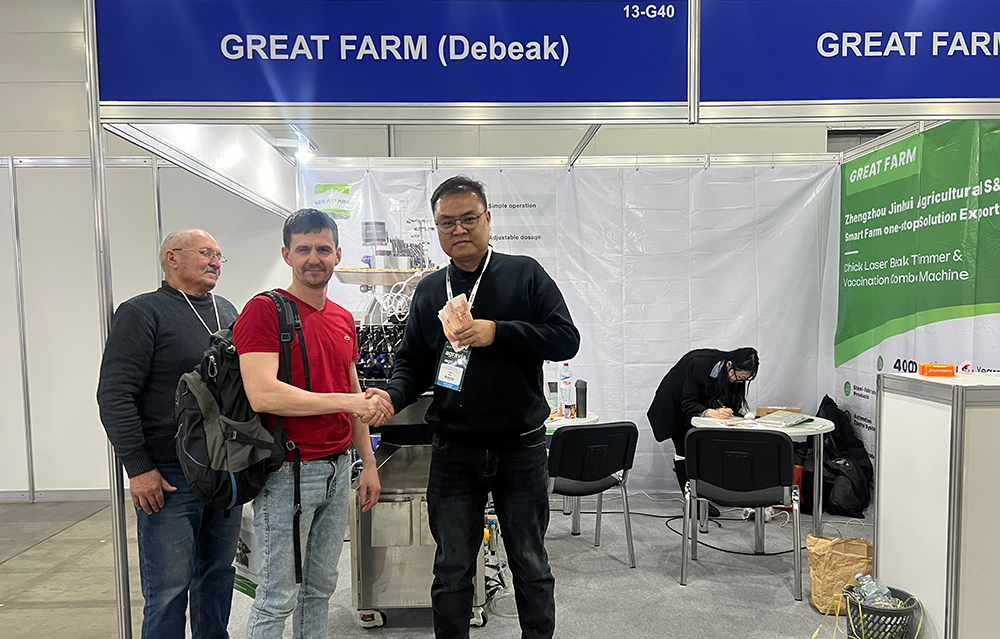
Laser Tech Shines in Moscow: GREAT FARM’s Laser Debeaking Machine Leads the Charge at 2026 Russia Livestock Expo, Securing Major On-site Orders

05

Jun

Laser Tech Shines in Moscow: GREAT FARM’s Laser Debeaking Machine Leads the Charge at 2026 Russia Livestock Expo, Securing Major On-site Orders

View More

Get a Free Quote

Our representative will contact you soon.
Email
Mobile/WhatsApp
Name
Company Name
Message
0/1000

hen cage price

Cost-Effective Space Optimization and Capacity Planning

Cost-Effective Space Optimization and Capacity Planning

The hen cage price directly correlates with the system's capacity and space utilization efficiency, making it a critical consideration for production planning. Modern cage systems employ vertical stacking arrangements that maximize facility footprint, with A-frame and H-frame configurations allowing three to eight tiers depending on building height and ventilation capabilities. When evaluating hen cage price, farmers should calculate the per-bird housing cost, which often reveals that higher-capacity systems offer better unit economics despite larger total investments. Quality cage designs incorporate precise spacing calculations that balance bird comfort with density optimization, typically providing 450-550 square centimeters per bird according to welfare standards. The hen cage price for well-engineered systems includes structural reinforcements that support multiple tiers without sagging or deformation over time, ensuring long-term capacity maintenance. Scalable designs allow phased expansion, enabling farmers to start with manageable hen cage price commitments and add sections as operations grow. This flexibility makes cage systems accessible to various operation sizes, from startup farms to established commercial facilities seeking modernization.
Durability and Material Quality Affecting Long-Term Value

Durability and Material Quality Affecting Long-Term Value

The hen cage price reflects fundamental differences in construction materials and manufacturing quality that dramatically impact system longevity and maintenance costs. Premium cages utilize hot-dipped galvanized steel wire with zinc coating weights exceeding 250 grams per square meter, providing superior corrosion resistance in the ammonia-rich poultry environment. Lower hen cage price options may employ electro-galvanized materials or lighter gauge wire that deteriorates faster, requiring earlier replacement and ultimately costing more over the system's operational lifetime. Quality manufacturers incorporate reinforced welds at stress points, precision wire spacing that prevents bird injury while allowing waste passage, and smooth surface finishes that facilitate cleaning and prevent bacterial accumulation. When comparing hen cage price proposals, examining warranty terms reveals manufacturer confidence in durability, with reputable suppliers offering ten to fifteen-year structural guarantees. The material quality also affects maintenance frequency and complexity, as robust systems require only periodic inspections and minor repairs, while inferior products demand constant attention and part replacement. Understanding how hen cage price relates to material specifications empowers buyers to make informed decisions that prioritize lifecycle value over initial cost savings.
Automation Integration and Production Efficiency Enhancement

Automation Integration and Production Efficiency Enhancement

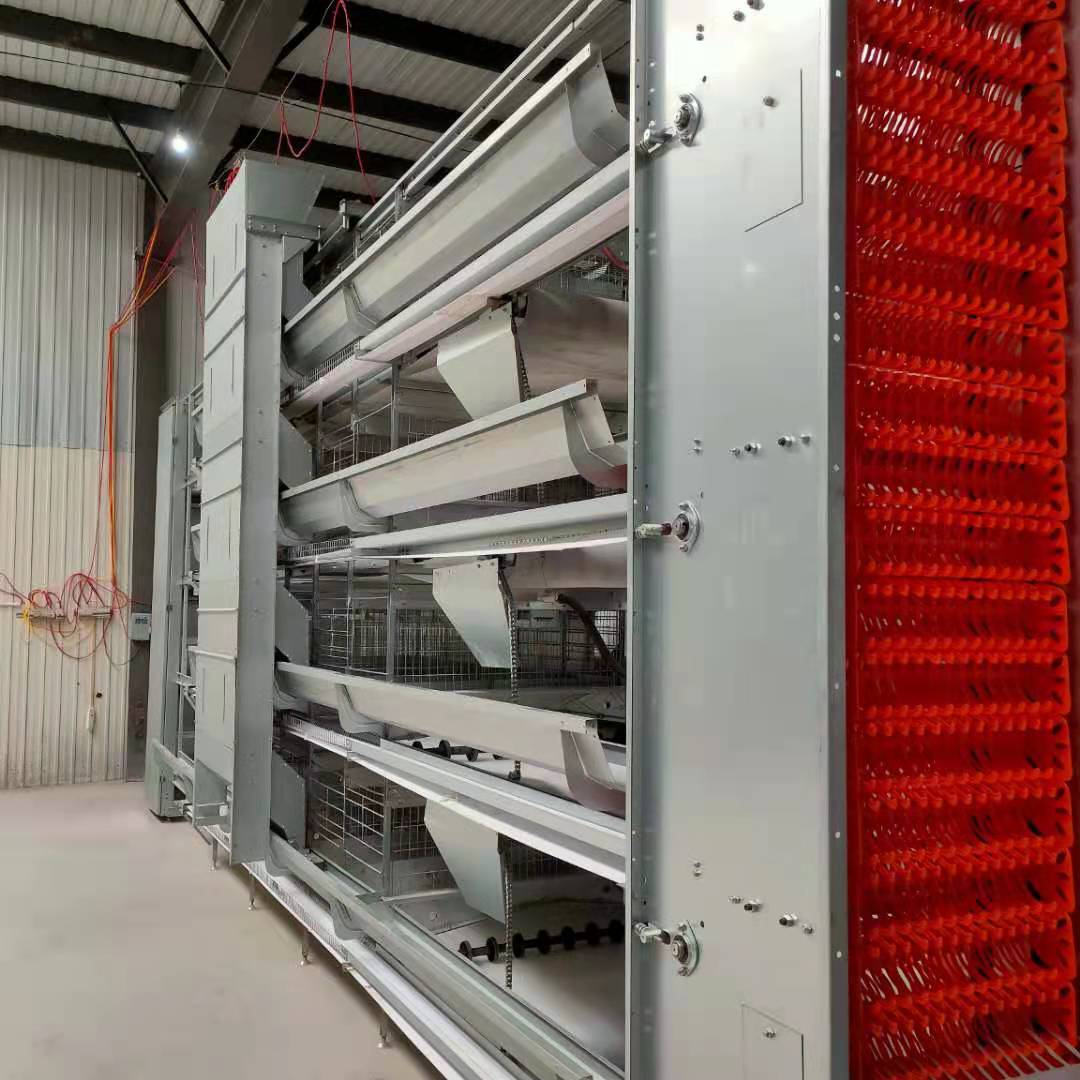
Advanced hen cage price structures increasingly reflect integrated automation technologies that revolutionize operational efficiency and production outcomes. Automated feeding systems incorporated into modern cage designs distribute precisely measured rations at programmed intervals, eliminating manual labor while ensuring consistent nutrition that optimizes laying performance. The hen cage price for automated systems includes chain feeders or traveling hoppers synchronized with cage lengths, reducing feed waste by up to thirty percent compared to manual methods. Integrated nipple drinker systems connected to pressurized water lines provide constant access to fresh water while maintaining cage cleanliness, with better systems featuring pressure regulators and filters included in the hen cage price. Automated egg collection mechanisms using conveyor belts transport eggs gently from nests to central collection points, minimizing handling damage and reducing labor costs substantially. The hen cage price for fully automated setups also encompasses manure removal systems with scrapers or belts that evacuate waste regularly, improving air quality and reducing disease risks. While automated systems command higher hen cage price investments, operational data demonstrates rapid return through labor savings, improved feed conversion ratios, increased egg production rates, and reduced mortality, making them economically attractive for commercial operations.

Get a Free Quote

Our representative will contact you soon.
Email
Mobile/WhatsApp
Name
Company Name
Message
0/1000