Layer Farm Cage Price Guide & Value Analysis

All Categories

layer farm cage price

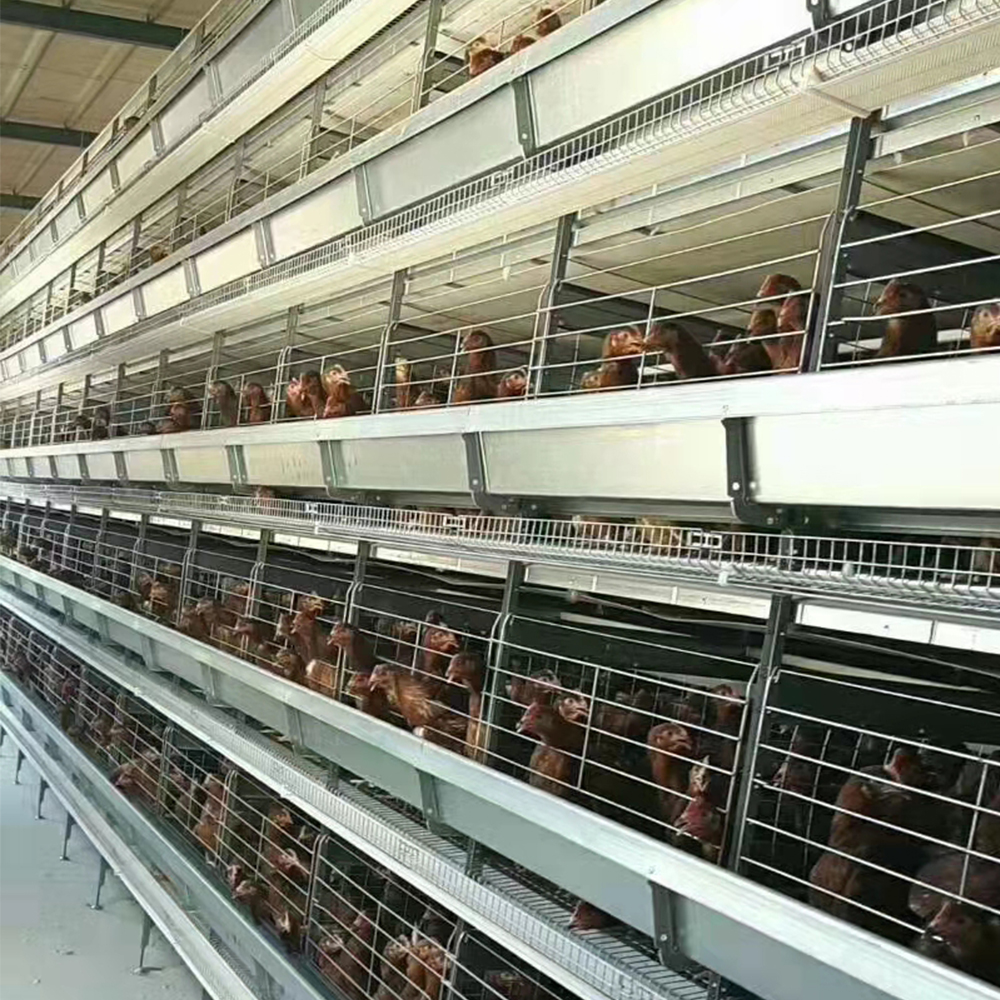
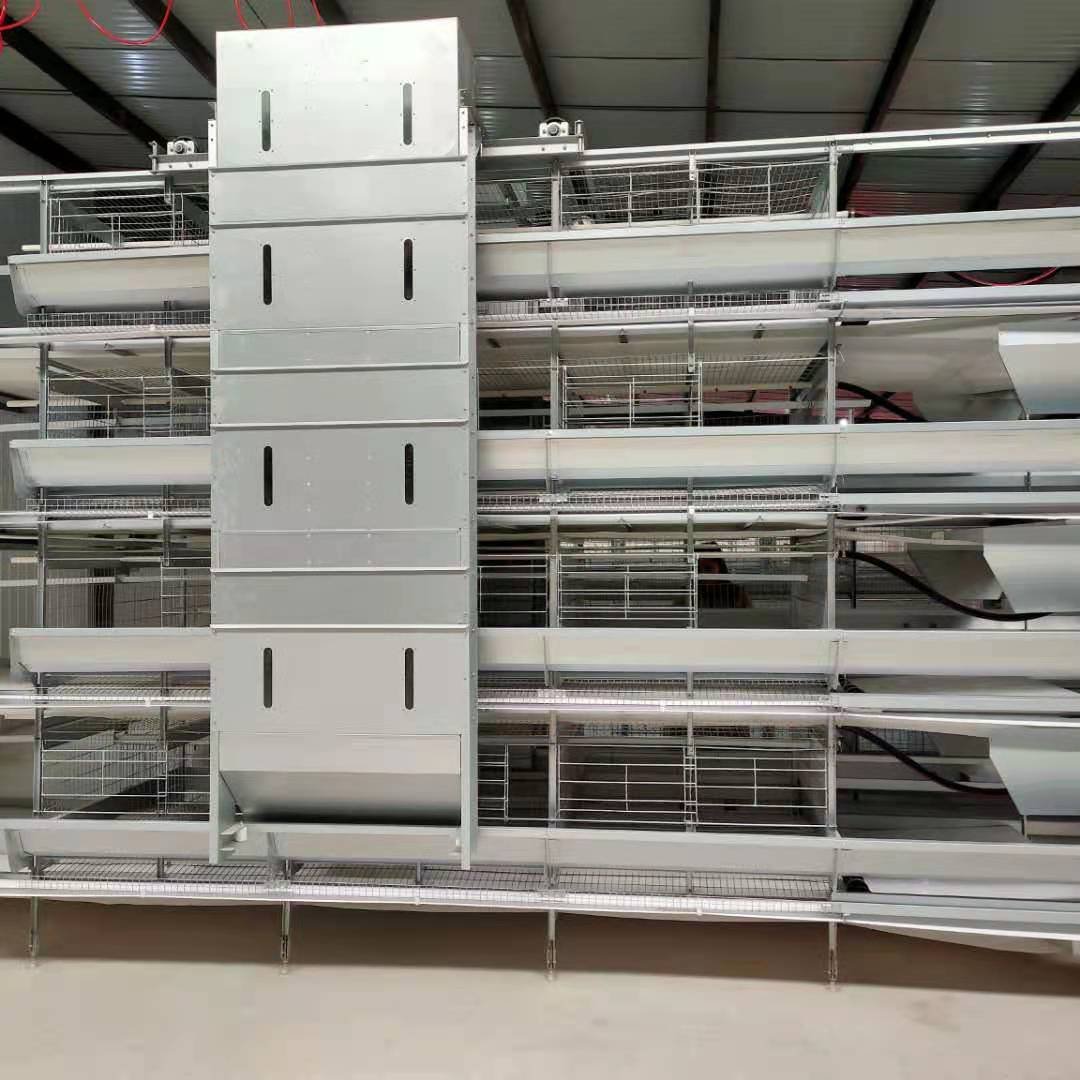
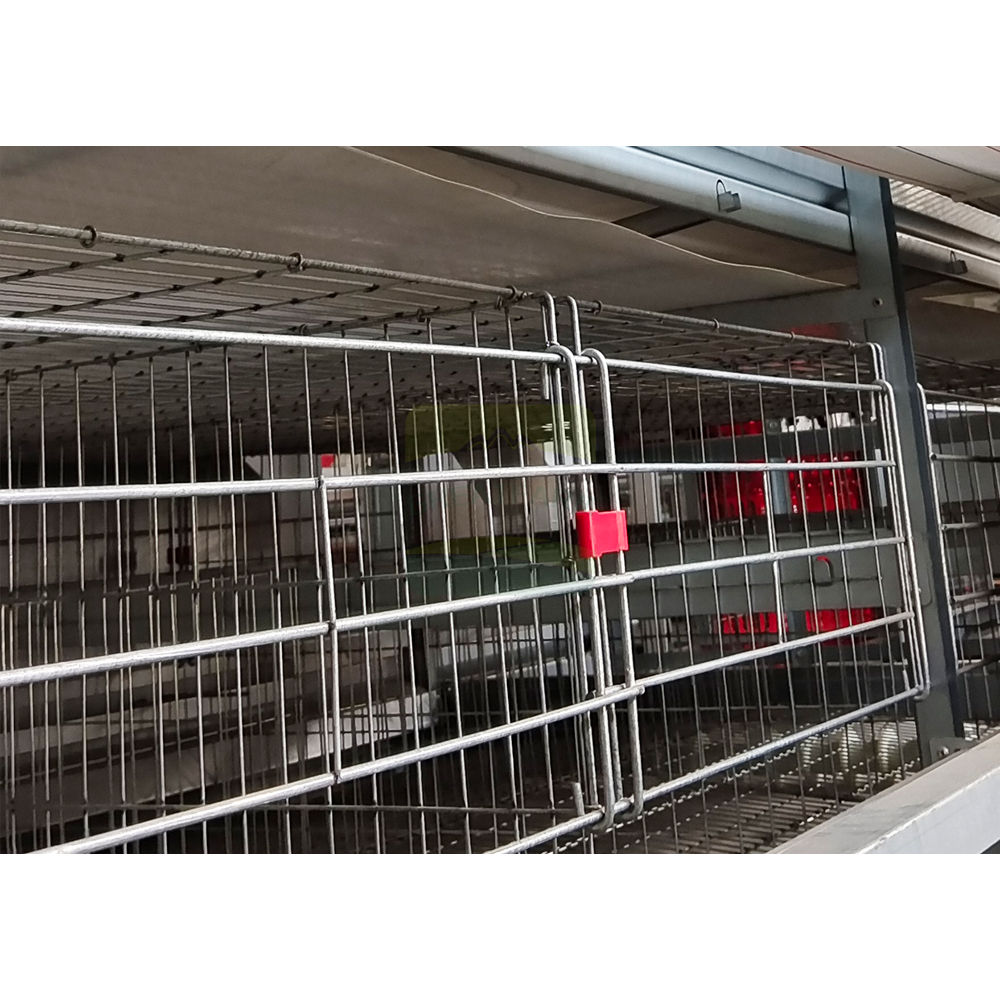
Layer farm cage price is a critical consideration for poultry farmers seeking to establish or expand their egg production operations. These specialized caging systems are designed to house laying hens in organized, multi-tier configurations that maximize space utilization while ensuring optimal bird welfare and productivity. The layer farm cage price varies based on cage type, material quality, automation level, and capacity, typically ranging from basic manual systems to fully automated solutions with feeding, watering, and egg collection mechanisms. Modern layer cages feature galvanized steel construction for durability and corrosion resistance, with strategic spacing to prevent bird injury and facilitate easy management. The investment in quality layer farm cage systems directly impacts long-term profitability through improved egg production rates, reduced labor costs, and enhanced flock health. Understanding layer farm cage price structures helps farmers make informed decisions that align with their operational scale and budget constraints. These systems incorporate essential functions including proper ventilation, waste management through sloped floors and manure belts, and accessibility for routine inspection and maintenance. When evaluating layer farm cage price options, farmers must consider factors such as cage density per square meter, material thickness, welding quality, and included accessories like feeders and drinkers. The right caging solution balances initial investment with operational efficiency, creating a sustainable foundation for profitable egg production enterprises across small-scale to industrial farming operations.
New Product Recommendations

Investing in layer farm cages offers substantial operational benefits that justify the initial expenditure when farmers evaluate layer farm cage price options strategically. First, these systems dramatically increase space efficiency by utilizing vertical housing arrangements, allowing farmers to raise significantly more birds within the same footprint compared to floor-based systems. This spatial optimization directly translates to higher revenue potential per square meter of facility space. Second, layer cages improve egg quality and collection efficiency through sloped floors that gently roll eggs into designated collection trays, minimizing breakage and reducing contamination from manure contact. This design feature alone can decrease egg loss by up to fifteen percent while reducing labor time for collection. Third, the structured environment facilitates better disease control and flock monitoring, as birds are separated into manageable groups that prevent rapid disease transmission and allow quick identification of health issues. Fourth, modern layer farm cage price points increasingly include automation features that reduce daily labor requirements for feeding, watering, and waste removal, freeing staff for more value-added management tasks. Fifth, these systems promote uniform feed distribution, ensuring each bird receives appropriate nutrition without competition, leading to consistent egg production rates across the flock. When comparing layer farm cage price alternatives, buyers gain tremendous value through systems that combine durability with low maintenance requirements, often delivering return on investment within two to three production cycles. The practical advantages extend to simplified cleaning protocols, improved biosecurity measures, and better environmental control, all contributing to healthier birds and superior egg output that enhances farm profitability over the equipment's ten to fifteen-year lifespan.

Practical Tips

Farrowing Crates For Pigs

03

Jun

Farrowing Crates For Pigs

View More
How to Choose Farrowing and Gestation Equipment for a Modern Pig Farm

05

Jun

How to Choose Farrowing and Gestation Equipment for a Modern Pig Farm

View More
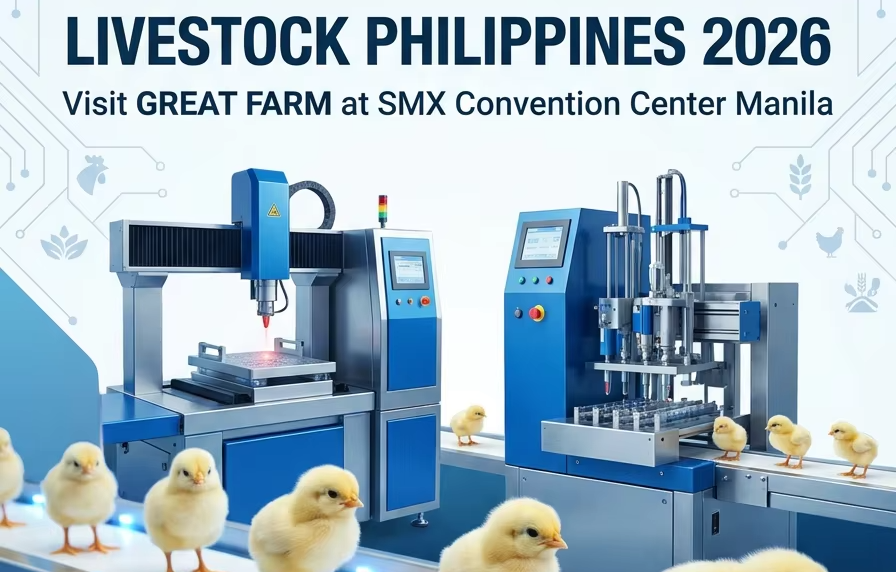
GREAT FARM Invites You to Livestock Philippines 2026

05

Jun

GREAT FARM Invites You to Livestock Philippines 2026

View More
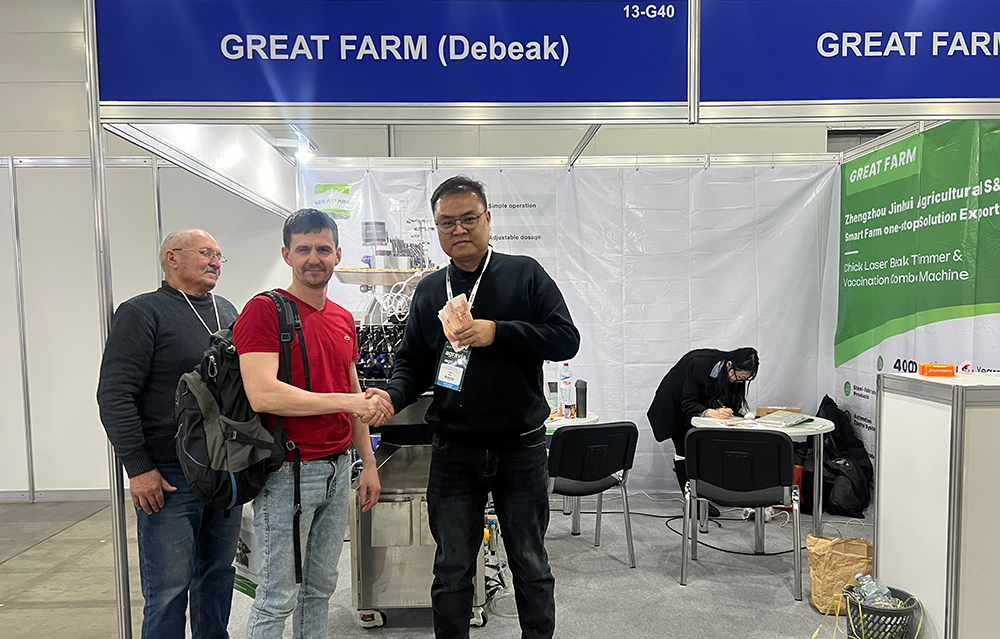
Laser Tech Shines in Moscow: GREAT FARM’s Laser Debeaking Machine Leads the Charge at 2026 Russia Livestock Expo, Securing Major On-site Orders

05

Jun

Laser Tech Shines in Moscow: GREAT FARM’s Laser Debeaking Machine Leads the Charge at 2026 Russia Livestock Expo, Securing Major On-site Orders

View More

Get a Free Quote

Our representative will contact you soon.
Email
Mobile/WhatsApp
Name
Company Name
Message
0/1000

layer farm cage price

Cost-Effective Space Maximization

Cost-Effective Space Maximization

When analyzing layer farm cage price in relation to production capacity, the space efficiency advantage becomes immediately apparent and financially compelling. Layer cage systems employ tiered configurations that stack multiple levels of birds vertically, typically ranging from three to eight tiers depending on facility height and management preferences. This vertical architecture allows farmers to house three to five times more laying hens in the same floor space compared to traditional floor systems, dramatically reducing the per-bird cost of building infrastructure. For farmers with limited land availability or those operating in regions with high real estate costs, this spatial efficiency fundamentally changes the economics of egg production. The layer farm cage price investment pays dividends through increased bird capacity without proportional increases in heating, cooling, or building costs. Additionally, the organized row structure facilitates efficient use of automated feeding and egg collection equipment, further amplifying the return on the initial cage investment. Farmers consistently report that despite higher upfront layer farm cage price points compared to basic floor systems, the increased production density and reduced per-unit operational costs result in superior profitability within the first few production cycles, making these systems the preferred choice for serious commercial operations.
Enhanced Productivity and Egg Quality

Enhanced Productivity and Egg Quality

The relationship between layer farm cage price and egg production performance represents a crucial value proposition for poultry farmers. Quality layer cage systems incorporate design elements specifically engineered to optimize laying hen comfort and productivity, directly impacting the farm's bottom line. The sloped floor design, typically angled at six to eight degrees, allows eggs to roll gently away from the bird immediately after laying, preventing trampling, cracking, or soiling that commonly occurs in floor systems. This automatic separation maintains egg cleanliness and structural integrity, reducing grade-B eggs and product loss. Furthermore, individual or small-group cage compartments minimize aggressive interactions and pecking behavior that can stress birds and reduce laying rates. The controlled environment created by proper layer farm cage price investments includes optimized feeding space that ensures each bird accesses adequate nutrition without competition, leading to uniform flock performance and predictable production curves. Ventilation channels integrated into modern cage designs promote air circulation that regulates temperature and removes harmful ammonia buildup, creating healthier respiratory conditions that sustain peak laying performance. Farmers who prioritize these production-enhancing features when evaluating layer farm cage price options consistently achieve higher eggs-per-hen ratios, better feed conversion efficiency, and extended productive laying periods that maximize revenue from each bird in the flock.
Long-Term Durability and Maintenance Efficiency

Long-Term Durability and Maintenance Efficiency

Evaluating layer farm cage price requires understanding the durability factors that determine total cost of ownership over the equipment's operational lifespan. Premium layer cage systems utilize hot-dipped galvanized steel construction with zinc coating thickness exceeding 275 grams per square meter, providing exceptional corrosion resistance in the harsh ammonia-rich poultry house environment. This material specification, while influencing the initial layer farm cage price, prevents premature rust deterioration that plagues lower-quality alternatives, eliminating costly mid-cycle replacements and production disruptions. The welding quality and wire gauge thickness in structural components directly affect system longevity, with properly constructed cages maintaining structural integrity for fifteen years or more under continuous use. Additionally, well-designed layer cage systems incorporate maintenance-friendly features such as removable feeder troughs, accessible water lines, and modular components that simplify repairs and component replacement without requiring extensive disassembly. The manure management integration, whether through pull-type platforms or automated belt systems, significantly reduces daily labor requirements while maintaining sanitary conditions that protect both bird health and equipment longevity. When farmers calculate the true layer farm cage price value proposition, they must consider these durability and maintenance factors alongside the initial purchase cost, recognizing that superior construction quality delivers lower annual operating costs, reduced downtime, and sustained production efficiency that compounds financial returns throughout the equipment's extended service life.

Get a Free Quote

Our representative will contact you soon.
Email
Mobile/WhatsApp
Name
Company Name
Message
0/1000