The sow farrowing crate has become a cornerstone of modern swine production, engineered specifically to support female pigs during the critical phases of parturition and lactation. As piglet mortality remains a primary concern in commercial farming, these specialized enclosures provide a controlled, secure environment that optimizes survival rates while streamlining herd management. Often referred to interchangeably as a hog farrowing crate or hog farrowing pen, this equipment is designed with precision to balance the physiological needs of the sow with the vulnerability of newborn piglets. By integrating animal science with practical engineering, modern farrowing systems have significantly reduced pre-weaning losses and improved overall farm profitability.
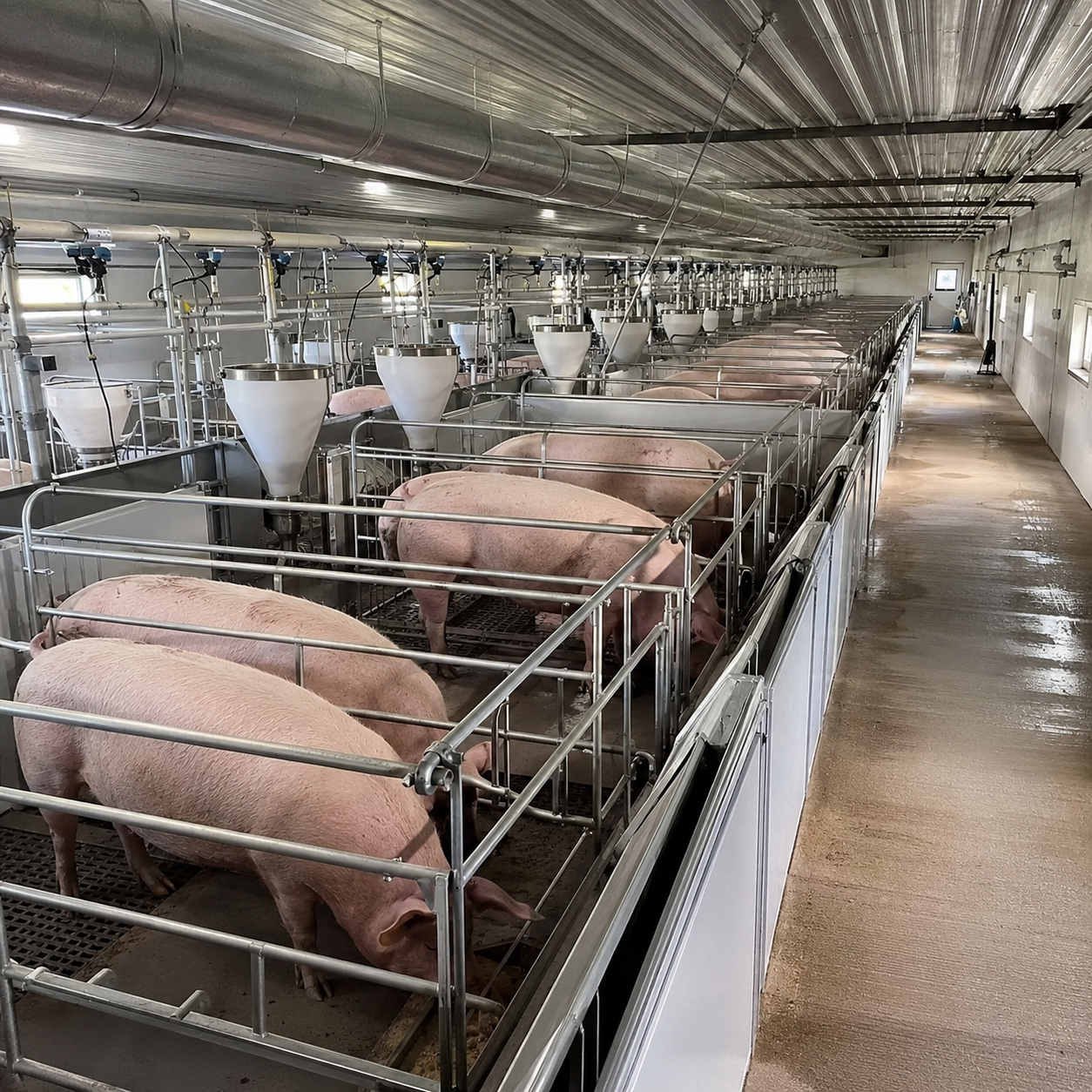
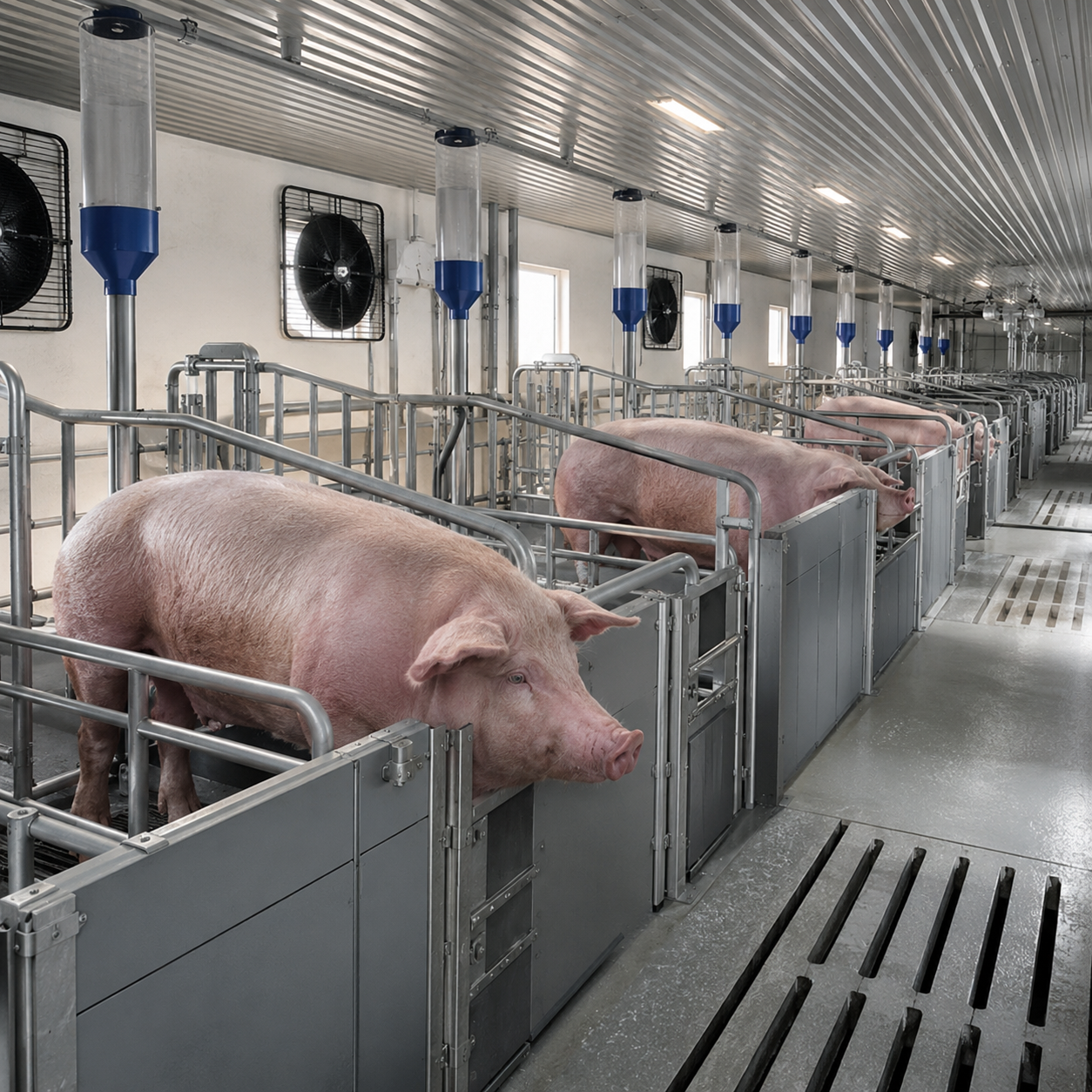
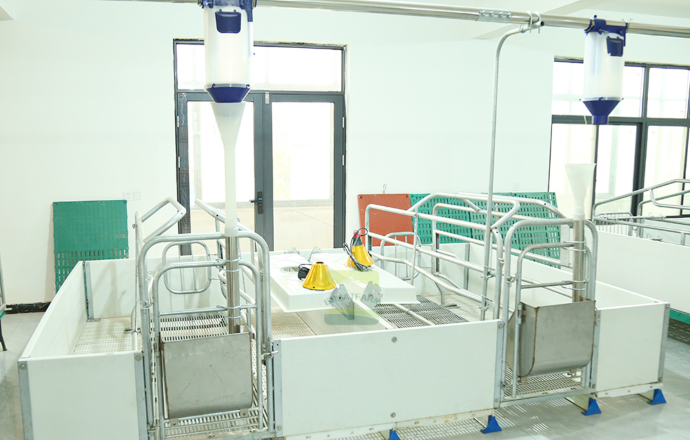
At the core of a well-designed sow crate is individual housing. Each maternity unit operates as a self-contained stall, allowing farmers to deliver targeted care, monitor health metrics, and prevent aggressive interactions between sows. Crucially, the crate’s structural layout restricts the sow’s lateral and rotational movement just enough to prevent accidental crushing, which remains a leading cause of neonatal piglet death. However, the sow retains sufficient space to comfortably lie down, adjust her posture, and nurse her litter without undue stress. Raised side rails and strategically placed piglet creep zones create a protective buffer, ensuring the young animals can access the udder while remaining safely out of the sow’s direct weight path. Beneath this layout, slatted flooring facilitates rapid waste drainage, maintaining a dry, hygienic surface that minimizes bacterial growth, skin lesions, and respiratory issues.
Efficient nutrition and hydration are seamlessly integrated into these systems. Built-in feeding troughs and nipple drinkers allow the sow to consume high-energy lactation diets and maintain optimal hydration without leaving the enclosure. This continuous access is vital, as milk production demands substantial caloric intake and metabolic stability. From a management perspective, the open-top design and strategic sightlines grant caretakers unobstructed visibility, enabling early detection of dystocia, mastitis, or piglet distress. Timely veterinary intervention during the birthing process can be the difference between a thriving litter and significant economic loss. Furthermore, the modular nature of these units supports rigorous sanitation protocols. Between batches, crates can be power-washed, disinfected, and dried quickly, breaking disease transmission cycles and supporting all-in/all-out production models.
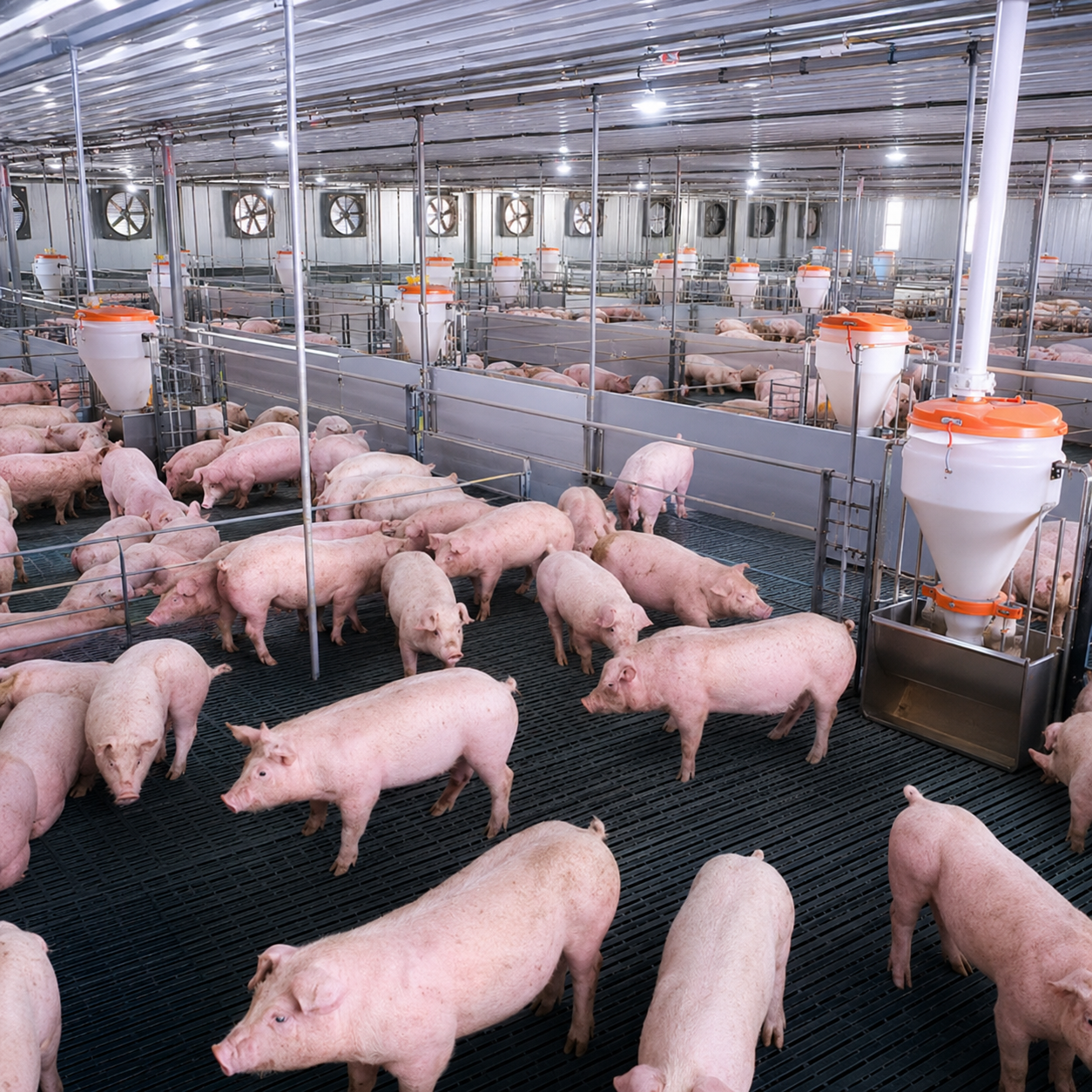
It is important to distinguish maternity housing from pregnancy management systems. While a sow farrowing crate serves the birth and nursing period, hog gestation crates are utilized earlier in the reproductive cycle to manage feed intake, monitor body condition, and prevent injury during pregnancy. Both systems prioritize animal safety and operational efficiency, but their spatial configurations differ significantly to match the sow’s changing physical and behavioral needs throughout her reproductive timeline. Proper transition planning between these stages is essential for maintaining reproductive performance and minimizing stress-induced complications.
The agricultural sector continues to evolve in response to both scientific research and shifting public expectations regarding animal welfare. Although traditional confinement systems have proven highly effective for piglet survival, ongoing dialogue surrounds the psychological and physical comfort of confined sows. In response, manufacturers and researchers have pioneered alternative designs, including the elevated farrowing pen, which improves airflow, simplifies manure handling, and often incorporates adjustable flooring or non-slip surfaces to enhance sow mobility. Some regions have already transitioned toward loose-farrowing pens or temporary restraint systems that grant sows greater freedom during late gestation and early lactation while retaining critical piglet protection features. Regulatory frameworks vary globally, with the European Union, North America, and Asia-Pacific each adopting distinct welfare benchmarks that directly influence equipment design, farm compliance, and export market access.
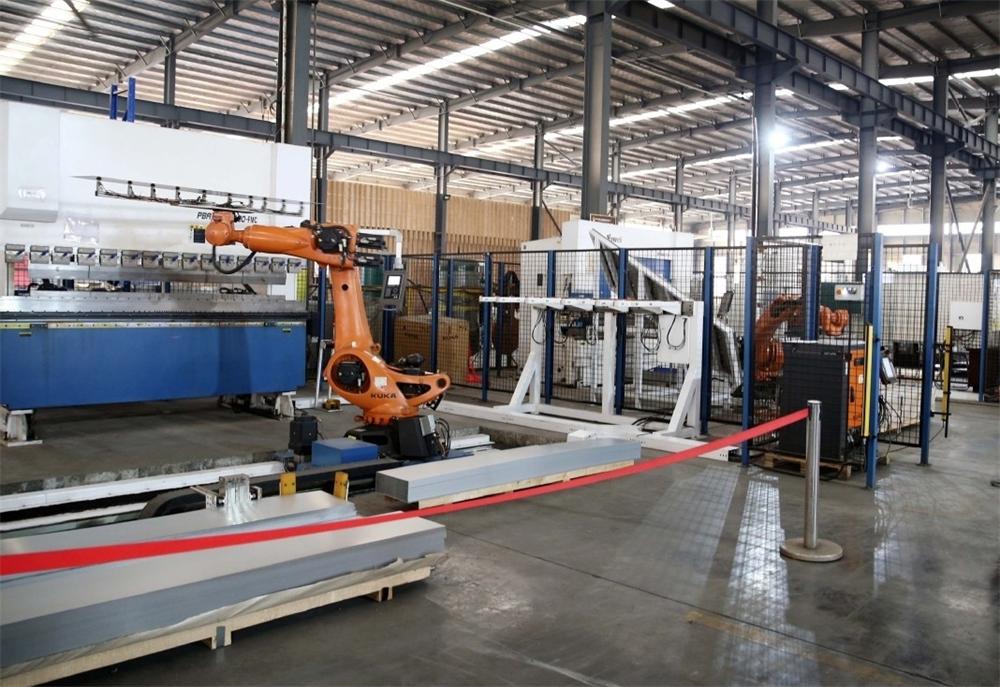
For producers seeking to upgrade or expand their maternity facilities, finding a reliable farrowing pen for sale requires careful evaluation of materials, ergonomics, and supplier reputation. High-quality units are typically constructed from heavy-gauge, galvanized steel with anti-corrosion coatings to withstand harsh barn environments and frequent chemical cleaning. Adjustable gate configurations, reinforced sow bars, and modular creep area dividers allow customization for different sow breeds, farm layouts, and climate conditions. When sourcing equipment, buyers should prioritize manufacturers that comply with international animal welfare guidelines, offer technical support, and provide durable warranties. Additionally, integrating smart monitoring sensors, automated climate control, and data-tracking feeders can further optimize the performance and longevity of any modern hog farrowing pen.
Ultimately, the maternity unit remains one of the most sensitive yet critical zones in swine production. Whether utilizing a traditional confinement system or investing in next-generation welfare-friendly designs, the goal remains consistent: safeguard piglet viability, support sow health, and maintain operational sustainability. As technology advances and welfare standards continue to mature, farrowing equipment will likely become more adaptive, data-driven, and biologically aligned. For forward-thinking producers, selecting the right system is not merely an equipment purchase, but a strategic investment in herd longevity, ethical husbandry, and long-term agricultural profitability.
 Hot News
2026-09-24
2026-08-30
2026-08-28
Zhengzhou Jinhui Agricultural S&T Co., Ltd. provides livestock equipment & smart farm one-stop solutions for global poultry, swine & sheep farms. CE/ISO-certified, OEM/ODM support, 15+ years’ export experience. Request a project assessment today.
Room 1318, 13/F, Building A, Yingxie Plaza, 138 Zhengbian Road, Jinshui District, Zhengzhou City, Henan Province
Copyright © 2026 Zhengzhou Jinhui Agricultural S&T Co., Ltd. All rights reserved. Privacy Policy
 EN
EN