handheld livestock ultrasound
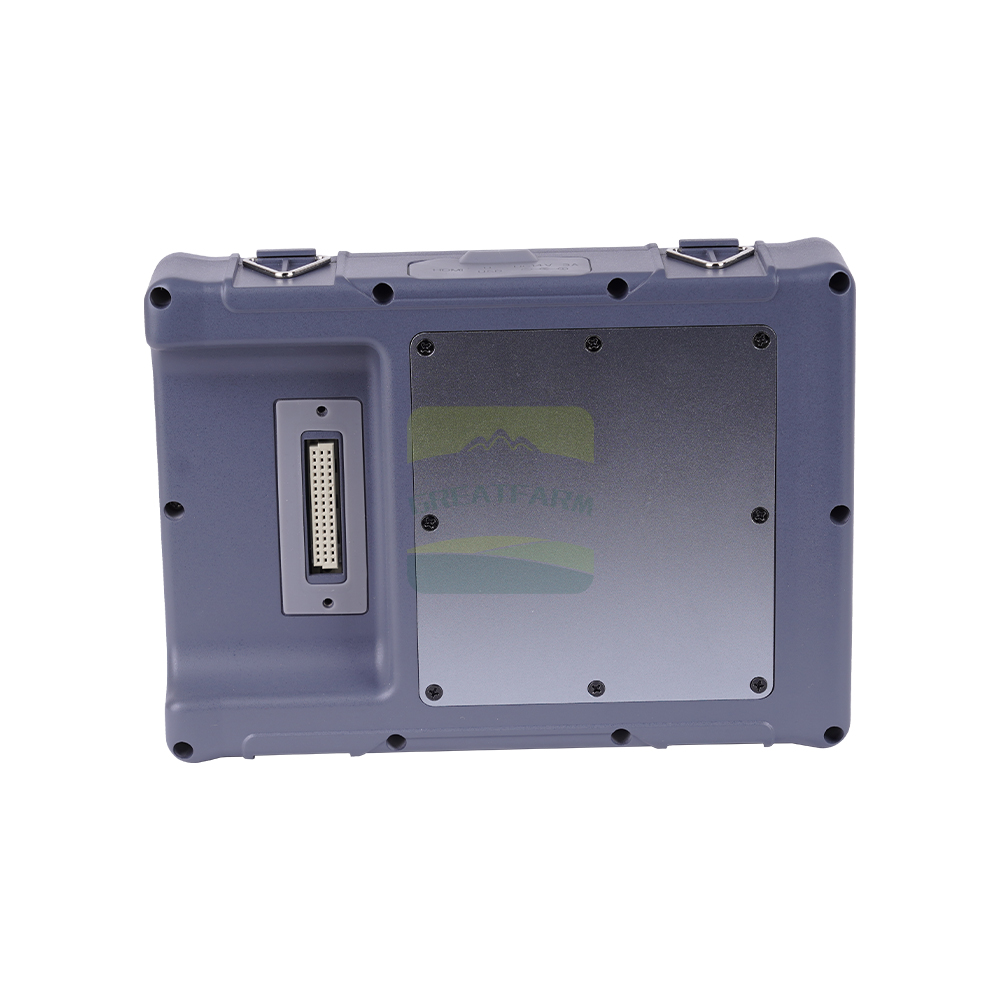
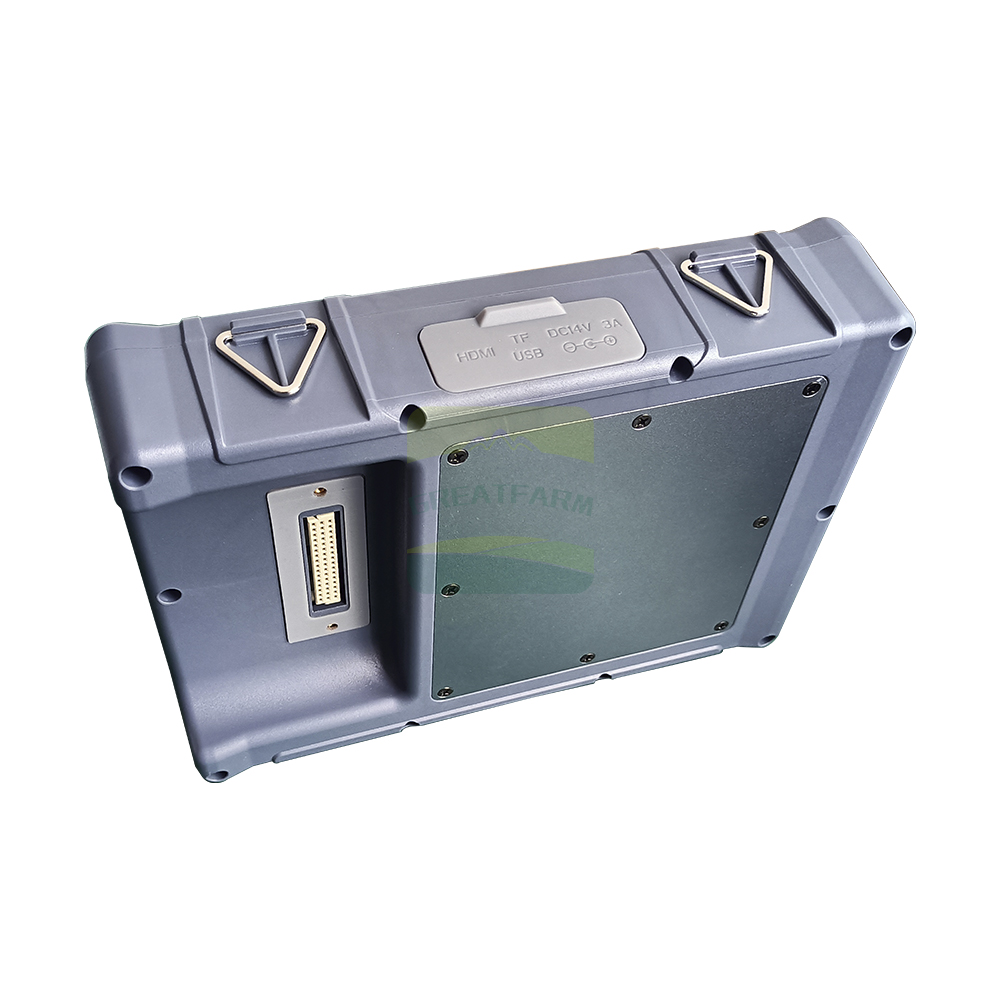
A handheld livestock ultrasound is a portable diagnostic imaging device designed specifically for reproductive management and health monitoring in farm animals. This compact technology enables farmers, veterinarians, and breeders to perform real-time ultrasound examinations on cattle, sheep, goats, pigs, and horses directly in field conditions without requiring animals to be transported to clinical facilities. The handheld livestock ultrasound utilizes high-frequency sound waves to create detailed images of internal organs, reproductive systems, and developing fetuses, providing essential information for breeding programs and animal health assessments. Modern handheld livestock ultrasound systems feature advanced imaging technologies including B-mode scanning, adjustable frequency probes, and enhanced image processing capabilities that deliver clear visualization of reproductive tissues and early pregnancy detection. These devices typically include weatherproof construction, long-lasting battery operation, and intuitive touchscreen interfaces that make them accessible even for users with limited technical training. Primary applications include pregnancy diagnosis as early as 25-30 days after breeding, monitoring fetal development throughout gestation, evaluating reproductive organ health, detecting twin pregnancies, and identifying potential complications before they become critical. The handheld livestock ultrasound has revolutionized livestock management by enabling precise breeding decisions, reducing unnecessary veterinary visits, and improving overall herd productivity through timely interventions and accurate reproductive tracking across diverse farming operations.





 EN
EN