Chicken House Equipment - Automated Poultry Systems

All Categories

chicken house equipment

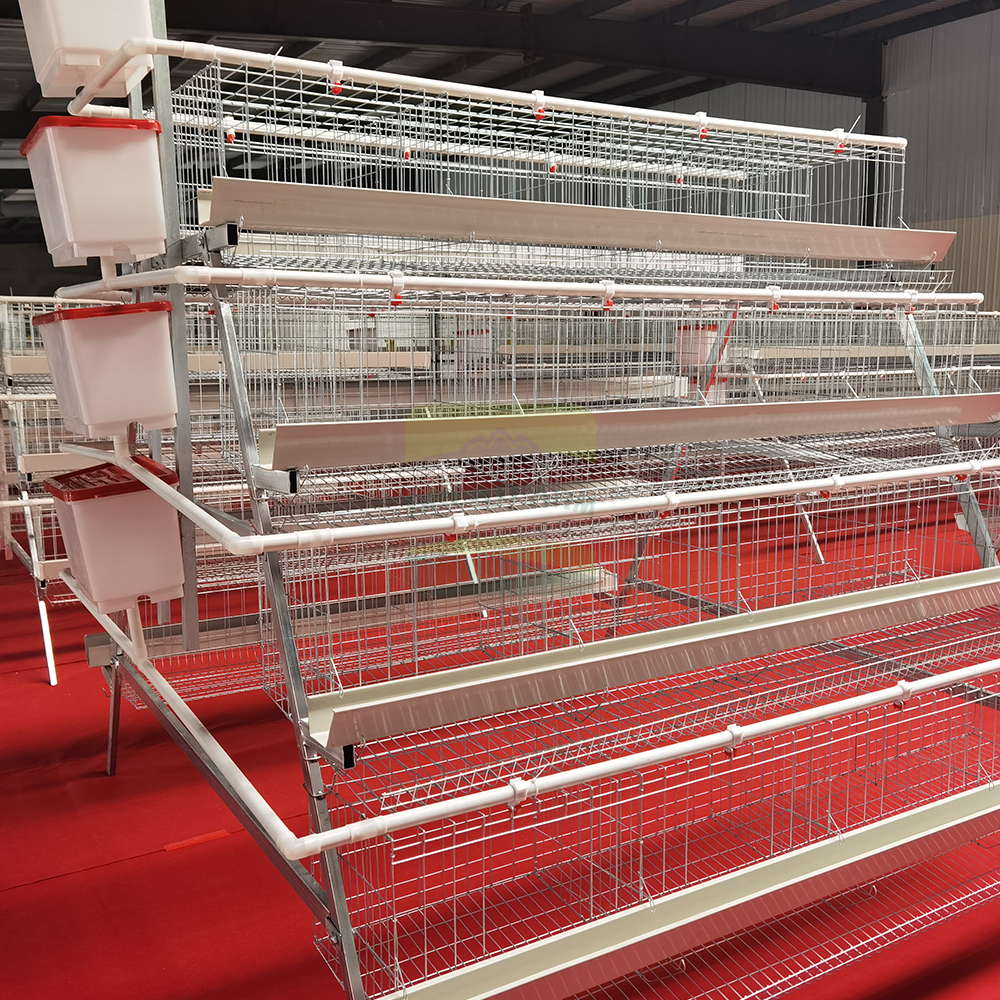
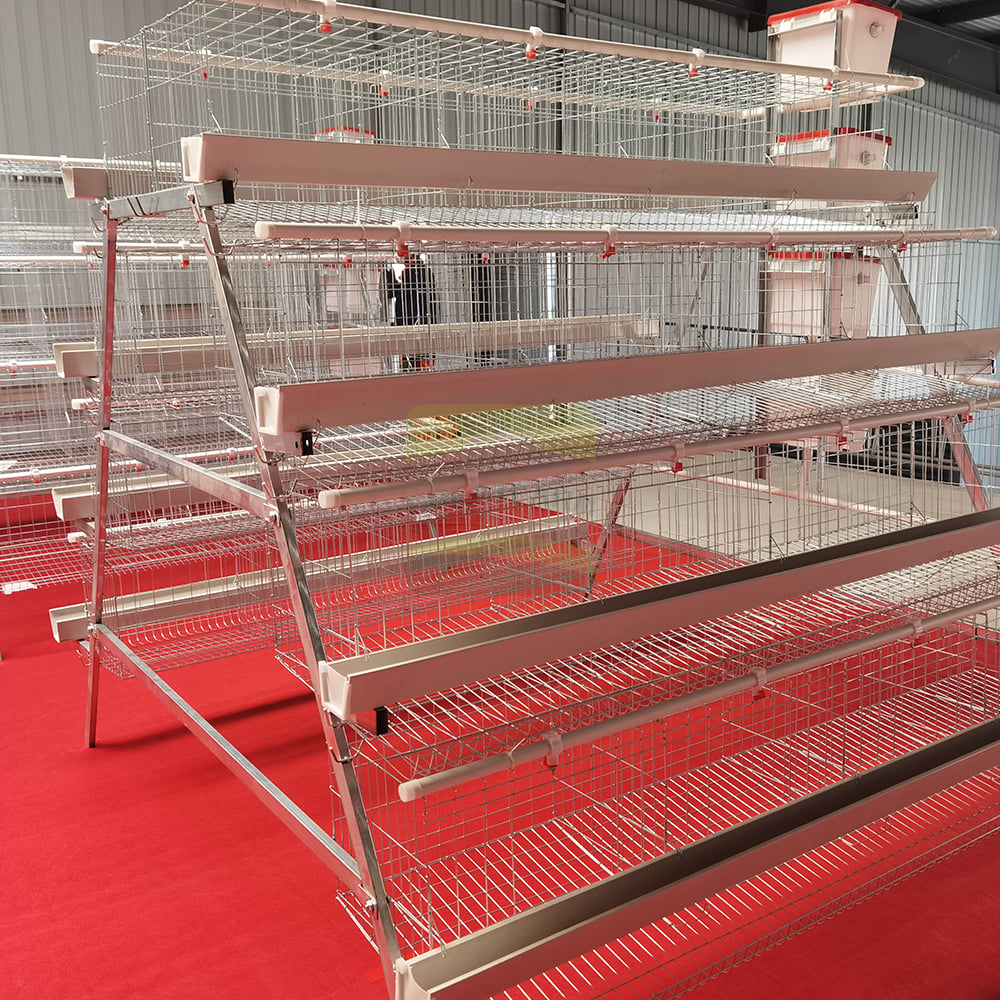
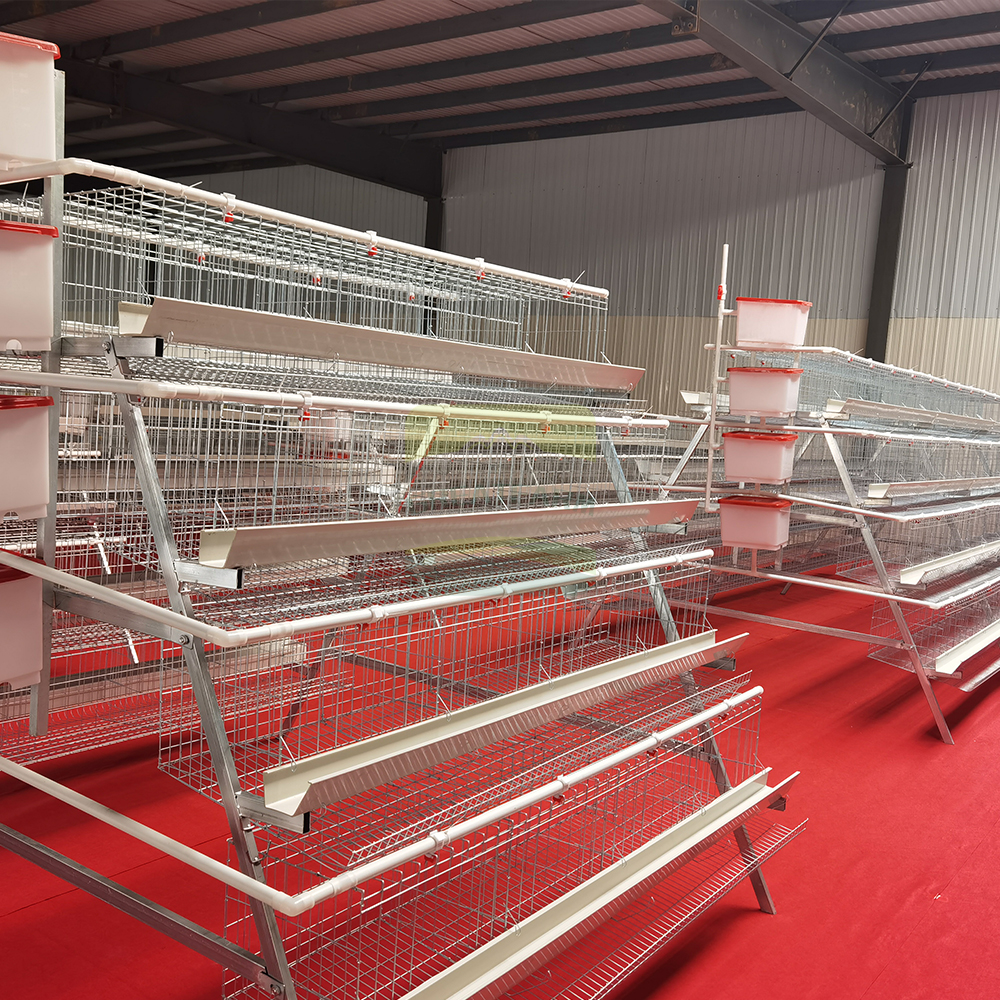
Chicken house equipment represents a comprehensive suite of automated and semi-automated systems designed to optimize poultry farming operations. This specialized equipment encompasses feeding systems, watering systems, ventilation units, climate control devices, egg collection mechanisms, and waste management solutions that work together to create an efficient production environment. Modern chicken house equipment integrates advanced technology to monitor and regulate temperature, humidity, air quality, and lighting conditions automatically. The feeding systems deliver precise nutrition amounts at scheduled intervals, while automated watering lines ensure constant access to fresh water. Ventilation fans and cooling pads maintain optimal air circulation and temperature control throughout the facility. Egg collection conveyors gently transport eggs from nesting areas to processing stations, minimizing breakage and labor requirements. Manure removal systems keep facilities sanitary by automatically clearing waste materials. These integrated solutions support various poultry operations, including broiler production, layer farms, and breeder facilities. The equipment accommodates different housing styles such as cage systems, floor rearing, and free-range setups. By combining multiple automated functions, chicken house equipment significantly reduces manual labor demands while improving bird health, productivity, and overall farm profitability. The scalable nature of this equipment allows operations to expand capacity efficiently while maintaining consistent production standards across facilities of varying sizes.
New Product Recommendations

Investing in quality chicken house equipment delivers substantial operational improvements and financial returns for poultry producers. The automation capabilities reduce labor costs by up to sixty percent, allowing farm workers to focus on supervision and health monitoring rather than repetitive manual tasks. Consistent environmental control provided by chicken house equipment creates optimal growing conditions that improve feed conversion ratios by fifteen to twenty percent, directly reducing production costs per bird. The precise feeding systems minimize waste by delivering exact portions, preventing overfeeding and spillage that typically account for significant expense. Automated watering systems ensure birds receive adequate hydration while preventing water waste and maintaining dry litter conditions that promote healthier flocks. Enhanced ventilation and climate control reduce disease incidence and mortality rates, protecting your investment and maximizing the number of marketable birds. The egg collection systems in layer operations decrease breakage rates from eight percent to under two percent, preserving product quality and revenue. Data monitoring capabilities allow producers to track performance metrics in real-time, enabling quick adjustments that optimize production efficiency. The equipment's durability ensures long-term reliability with minimal maintenance requirements, providing consistent returns over extended operational periods. Scalability features accommodate business growth without requiring complete system overhauls, making expansion more cost-effective. Environmental benefits include better waste management and reduced resource consumption, helping operations meet sustainability standards. The improved biosecurity from automated systems limits human contact with birds, reducing disease transmission risks. These combined advantages position farms for competitive success in demanding markets while supporting animal welfare standards that increasingly influence consumer purchasing decisions and regulatory compliance requirements.

Tips And Tricks

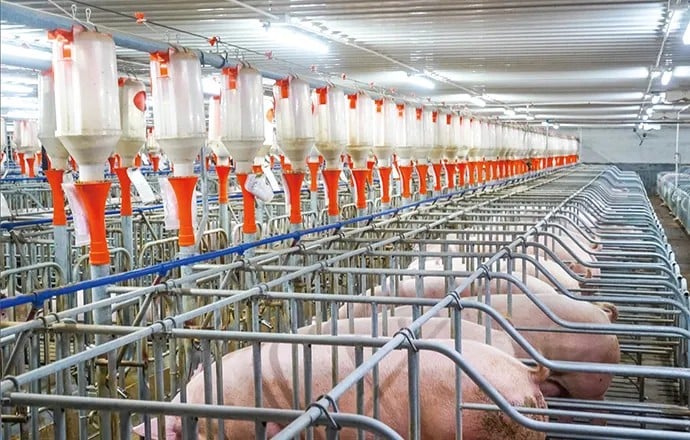
Farrowing Crates For Pigs

03

Jun

Farrowing Crates For Pigs

View More
How to Choose Farrowing and Gestation Equipment for a Modern Pig Farm

05

Jun

How to Choose Farrowing and Gestation Equipment for a Modern Pig Farm

View More
Beginning a Pig Farm: How to Choose the Right Pig Farming Equipment

03

Jun

Beginning a Pig Farm: How to Choose the Right Pig Farming Equipment

View More
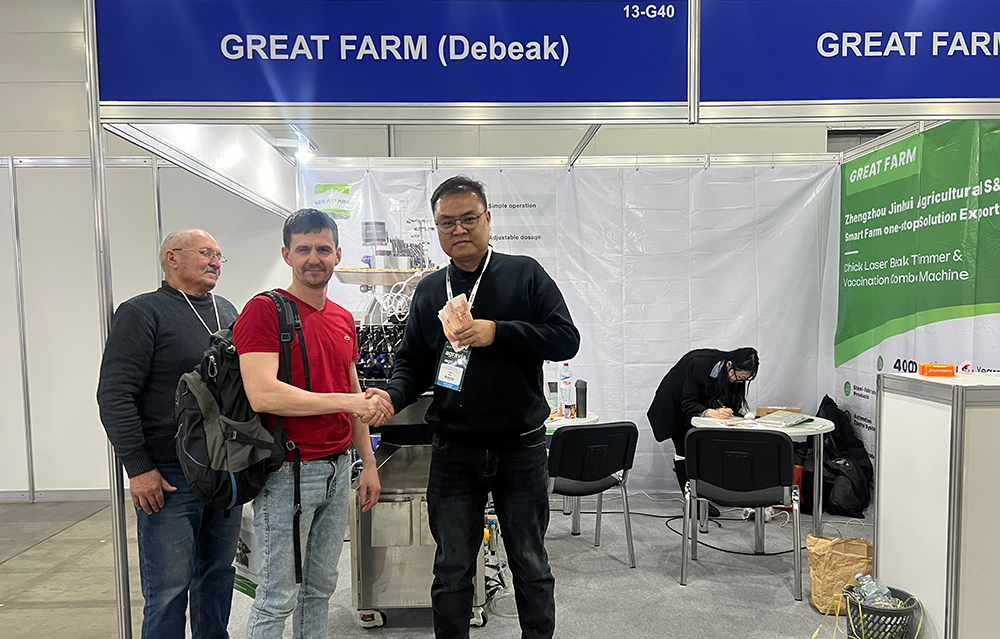
Laser Tech Shines in Moscow: GREAT FARM’s Laser Debeaking Machine Leads the Charge at 2026 Russia Livestock Expo, Securing Major On-site Orders

05

Jun

Laser Tech Shines in Moscow: GREAT FARM’s Laser Debeaking Machine Leads the Charge at 2026 Russia Livestock Expo, Securing Major On-site Orders

View More

Get a Free Quote

Our representative will contact you soon.
Email
Mobile/WhatsApp
Name
Company Name
Message
0/1000

chicken house equipment

Advanced Climate Control Technology

Advanced Climate Control Technology

The climate control systems within chicken house equipment utilize sophisticated sensors and automated adjustments to maintain perfect environmental conditions throughout production cycles. Temperature sensors positioned strategically throughout facilities detect variations as small as half a degree, triggering immediate responses from heating or cooling systems. Humidity controls prevent moisture accumulation that leads to respiratory problems and bacterial growth, while programmable ventilation fans exchange air at optimal rates based on bird density and outside conditions. These systems adapt automatically to seasonal changes and daily temperature fluctuations, ensuring consistent comfort without constant manual intervention. The precision climate management directly impacts feed efficiency, as birds expend less energy regulating body temperature and channel more nutrients toward growth. During critical early growth stages, maintaining exact temperature ranges proves especially crucial for chick survival and development. The integrated approach coordinates multiple environmental factors simultaneously, creating synergistic benefits that individual manual controls cannot achieve. Investment in advanced climate control through quality chicken house equipment translates to measurably improved production metrics, including faster growth rates, better uniformity across flocks, and reduced medication needs resulting from stress-related illnesses.
Automated Feeding and Nutrition Management

Automated Feeding and Nutrition Management

Modern automated feeding systems integrated into chicken house equipment revolutionize nutrition delivery through precision timing and portion control. These systems store bulk feed in protected silos and transport it via chain or auger mechanisms directly to birds at programmed intervals. Computerized controls adjust feeding schedules based on flock age, ensuring birds receive appropriate nutrition quantities as their requirements change throughout growth cycles. The consistent delivery eliminates competitive feeding behaviors that create size variations within flocks, producing more uniform market-ready birds. Sensors monitor feed levels continuously, alerting managers before supplies run low and preventing production disruptions. The enclosed delivery pathways protect feed from contamination, moisture, and pests, preserving nutritional quality and reducing spoilage losses. Multi-phase feeding capabilities allow different diet formulations for various production stages without manual system changes. The automation eliminates the physical demands of carrying and distributing feed manually, reducing labor injury risks and freeing staff for value-added management activities. Feed conversion improvements achieved through precise delivery often recover equipment investment costs within two production cycles. The data collection features track consumption patterns, helping identify health issues early when birds eat less than expected amounts.
Efficient Waste Management and Sanitation

Efficient Waste Management and Sanitation

Comprehensive waste management systems incorporated in chicken house equipment address one of poultry farming's most challenging aspects through automated solutions. Belt systems continuously remove manure from beneath caged birds, preventing ammonia buildup that damages respiratory systems and reduces growth performance. Automated scrapers in floor-based systems periodically clear waste into collection points, maintaining cleaner living environments with less manual labor. The regular removal processes significantly reduce fly populations and unpleasant odors, improving working conditions for staff and minimizing neighbor complaints in populated areas. Proper waste handling through chicken house equipment supports environmental compliance by facilitating controlled composting or biogas generation rather than problematic accumulation. The systems minimize direct contact between workers and waste materials, reducing health risks and improving workplace safety standards. Cleaner facilities resulting from efficient waste management create healthier conditions that reduce disease pressure and antibiotic usage, addressing growing consumer concerns about medication in poultry production. The automated approach ensures consistent sanitation regardless of labor availability, maintaining biosecurity protocols that protect flock health. Long-term facility preservation results from reduced corrosive ammonia exposure to building materials, extending infrastructure lifespan and protecting capital investments.

Get a Free Quote

Our representative will contact you soon.
Email
Mobile/WhatsApp
Name
Company Name
Message
0/1000