Sow Crate Systems - Efficient Swine Housing

All Categories

sow crate

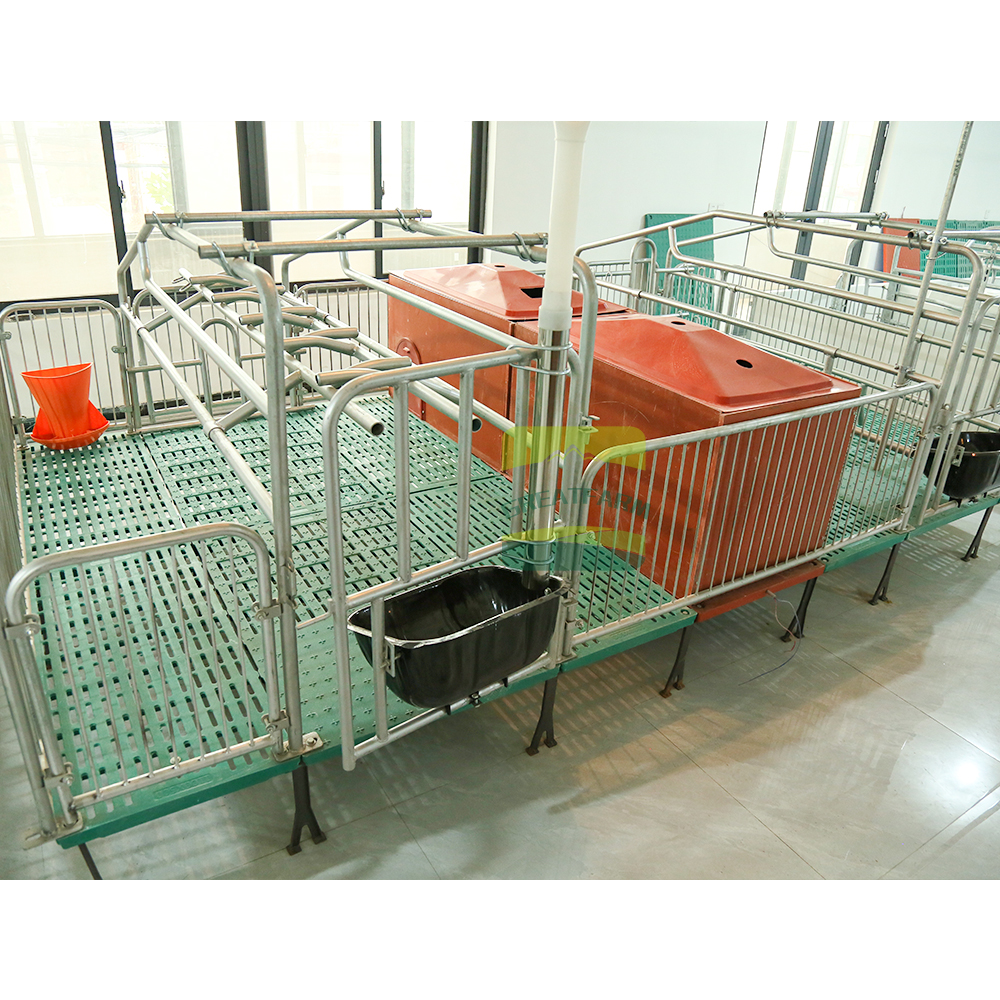
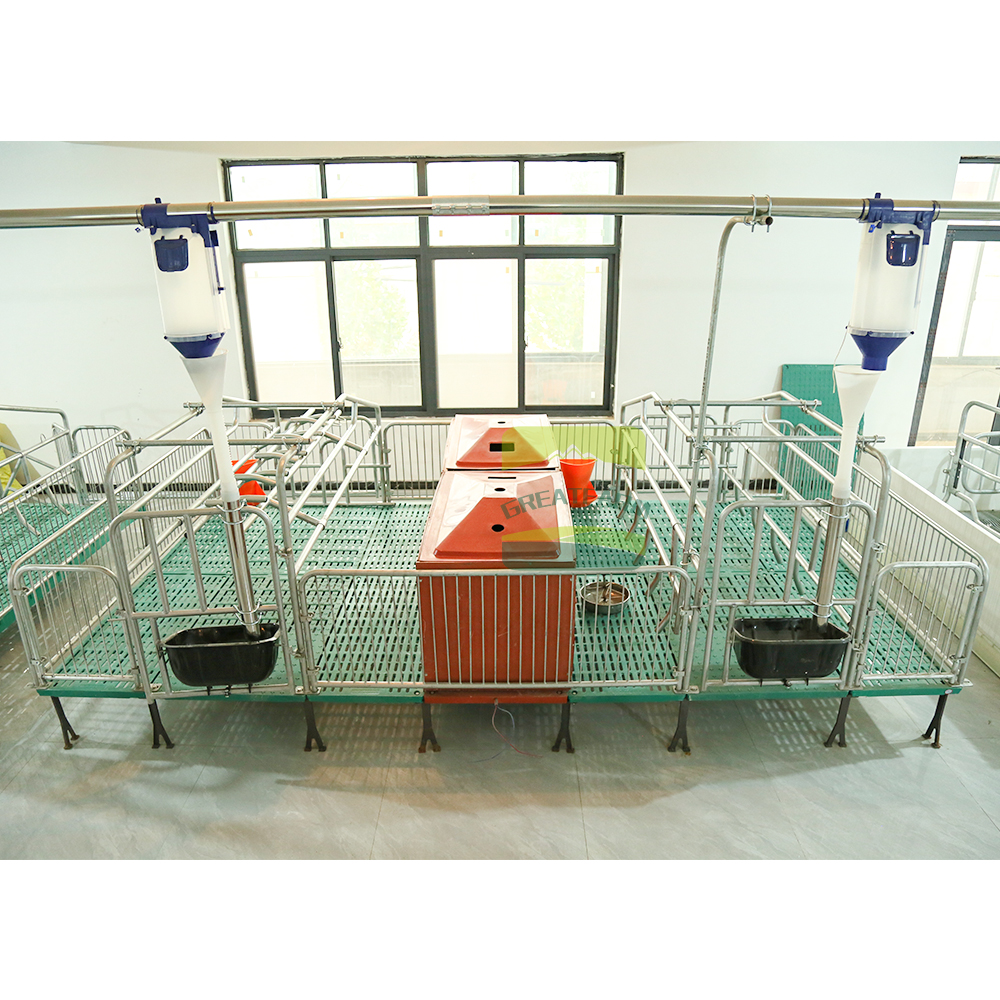
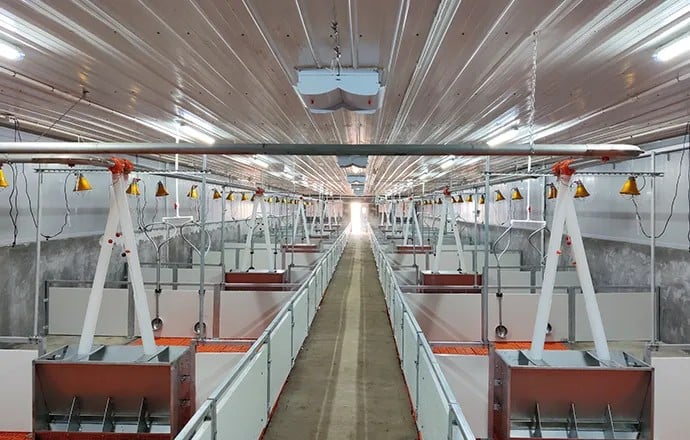
A sow crate is a specialized housing system designed for pregnant and lactating sows in modern pig farming operations. This essential piece of equipment provides individual containment for breeding sows during critical stages of the reproductive cycle. The sow crate consists of metal framework with adjustable panels that create a confined space, typically measuring approximately 2 meters in length and 0.6 meters in width. The primary function of the sow crate is to protect pregnant sows and their piglets while managing feeding protocols efficiently. This system enables farmers to monitor individual animal health, control feed intake precisely, and prevent aggression between animals. Technological features include adjustable side rails, integrated feeding systems, and durable galvanized steel construction that resists corrosion in demanding farm environments. Modern sow crate designs incorporate improved drainage systems and ergonomic layouts that facilitate easier cleaning and maintenance. The equipment allows veterinary staff to perform health checks and medical treatments safely without risking injury to handlers or animals. Applications span across commercial pig breeding facilities, intensive farming operations, and large-scale pork production enterprises. The sow crate serves as a fundamental component in farrowing management, helping farmers optimize reproduction rates and improve piglet survival during the vulnerable early life stages. This housing solution balances animal welfare considerations with operational efficiency requirements in contemporary swine production systems.
New Product Recommendations

The sow crate delivers significant cost savings by reducing feed waste and ensuring each animal receives the correct nutritional allocation based on individual requirements. Farmers using this system report improved feed conversion ratios because the contained environment prevents dominant animals from stealing food from subordinate sows. This individual feeding control translates directly into better body condition scores and healthier pregnancies. Operational efficiency increases substantially as caretakers can quickly inspect entire groups without handling difficulties or safety concerns. The system minimizes labor requirements during feeding rounds and veterinary interventions, allowing farm personnel to manage larger herds with existing staff levels. Piglet survival rates improve when sows give birth in controlled sow crate environments because the structure prevents accidental crushing, which remains a leading cause of neonatal mortality in group housing situations. The equipment protects weaker piglets during nursing by maintaining organized access to teats and reducing competition. Farm managers gain precise reproductive performance data because individual monitoring becomes straightforward when animals occupy designated sow crate units. This tracking capability supports informed breeding decisions and helps identify underperforming animals quickly. The robust construction ensures long service life with minimal maintenance costs, providing excellent return on investment over many production cycles. Biosecurity protocols become easier to implement as controlled housing reduces disease transmission risks between animals. Cleaning procedures are simplified through thoughtful design features that allow waste to drain effectively. The sow crate adapts to various farm layouts and scales, making it suitable for both expanding operations and established facilities seeking efficiency improvements.

Latest News

Farrowing Crates For Pigs

03

Jun

Farrowing Crates For Pigs

View More
How to Choose Farrowing and Gestation Equipment for a Modern Pig Farm

05

Jun

How to Choose Farrowing and Gestation Equipment for a Modern Pig Farm

View More
GREAT FARM Invites You to Livestock Philippines 2026

05

Jun

GREAT FARM Invites You to Livestock Philippines 2026

View More
Laser Tech Shines in Moscow: GREAT FARM’s Laser Debeaking Machine Leads the Charge at 2026 Russia Livestock Expo, Securing Major On-site Orders

05

Jun

Laser Tech Shines in Moscow: GREAT FARM’s Laser Debeaking Machine Leads the Charge at 2026 Russia Livestock Expo, Securing Major On-site Orders

View More

Get a Free Quote

Our representative will contact you soon.
Email
Mobile/WhatsApp
Name
Company Name
Message
0/1000

sow crate

Enhanced Piglet Protection and Survival

Enhanced Piglet Protection and Survival

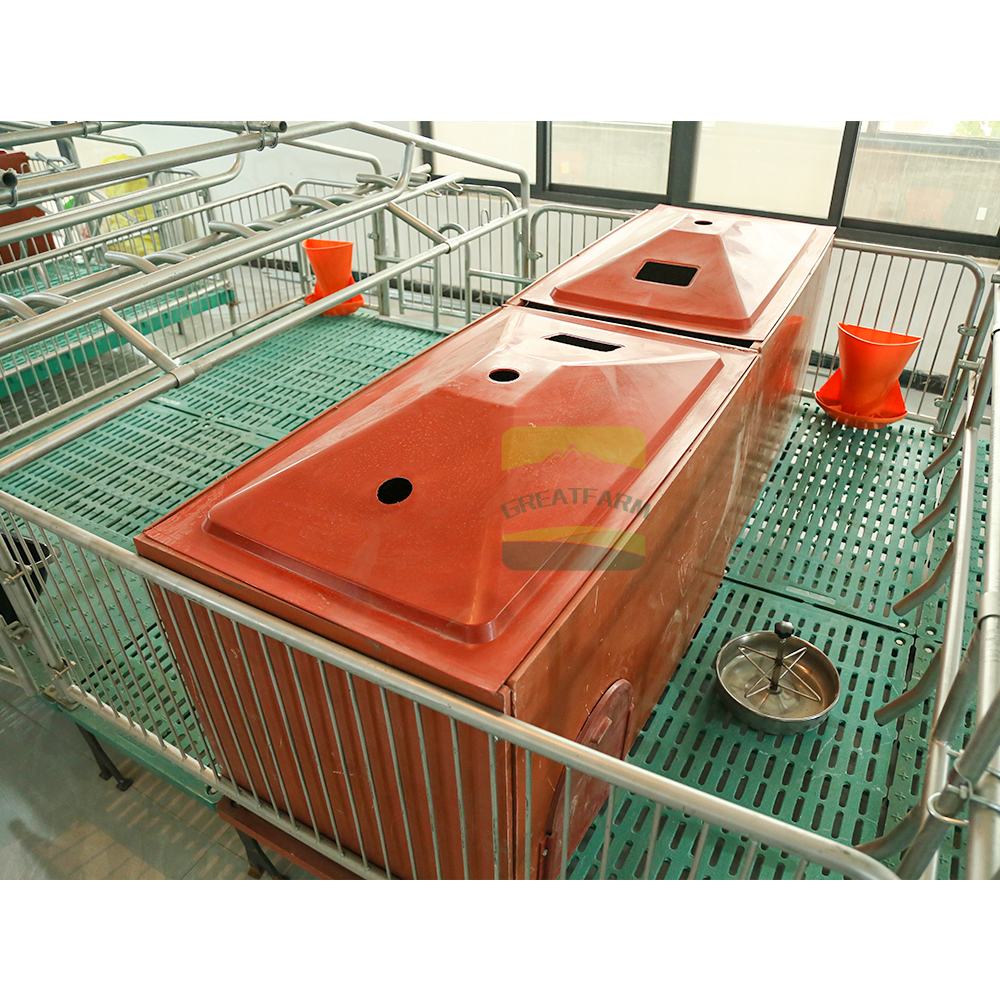
The sow crate provides critical protection during the farrowing period when piglets face the highest mortality risks. The confined design prevents the sow from accidentally rolling onto newborn piglets, which is responsible for substantial losses in alternative housing systems. Strategic positioning of the sow within the crate creates safe zones where piglets can rest and nurse without danger of being crushed. Integrated creep areas give piglets warm, protected spaces adjacent to the sow while remaining outside the potential crushing zone. The structured environment maintains piglet access to all functional teats, ensuring even the smallest animals in the litter receive adequate nutrition during critical early development. Farm data consistently demonstrates that facilities using this system achieve piglet survival rates exceeding 90 percent compared to significantly lower rates in group housing environments. The sow crate configuration also enables farmers to intervene quickly when piglets require assistance during birth or early feeding, reducing complications that might otherwise prove fatal. This protective function directly impacts farm profitability by maximizing the number of weaned piglets per sow annually.
Precise Individual Animal Management

Precise Individual Animal Management

Modern sow crate systems enable unprecedented precision in managing individual animal health, nutrition, and reproduction performance. Each sow receives customized feed portions calculated for her specific body condition, gestation stage, and production history without competition from other animals. This individual attention ensures optimal nutrition throughout pregnancy and lactation, supporting better reproductive outcomes and longer productive lifespans. Farmers can easily identify animals showing signs of illness or distress because daily observation of each sow in her designated crate reveals behavioral changes immediately. Veterinary treatments become safer and more effective as handlers can administer medications or perform examinations without restraining stressed animals or risking injury from group dynamics. Detailed record-keeping links directly to individual sow crate positions, creating reliable production databases that inform breeding strategies and culling decisions. Artificial insemination procedures proceed more efficiently when sows occupy stationary positions in familiar environments. The system also facilitates heat detection and pregnancy confirmation, essential processes for maintaining optimal farrowing schedules and facility utilization rates throughout the year.
Superior Hygiene and Disease Control

Superior Hygiene and Disease Control

The sow crate design incorporates features that significantly improve sanitation standards and reduce disease transmission within pig production facilities. Slatted or perforated flooring systems integrated with each crate allow waste to fall away from the sow and piglets immediately, maintaining cleaner living conditions compared to solid floor alternatives. This continuous waste removal reduces ammonia buildup and bacterial loads that compromise respiratory health and overall immunity. Individual containment prevents direct contact between animals, creating effective disease barriers that limit pathogen spread during outbreaks. Cleaning protocols become more thorough and efficient because each sow crate unit can be power-washed and disinfected completely before introducing new occupants. The metal construction resists harboring pathogens in cracks or porous materials, unlike wooden structures that deteriorate and become contamination reservoirs. Biosecurity programs benefit from the ability to isolate suspicious animals instantly without reorganizing entire group housing areas. Disease monitoring improves as each animal's health status remains clearly associated with specific housing locations, enabling rapid epidemiological investigations. Reduced infection rates translate into lower medication costs and better animal welfare throughout production cycles.

Get a Free Quote

Our representative will contact you soon.
Email
Mobile/WhatsApp
Name
Company Name
Message
0/1000