Poultry Farm Equipment Cost Guide & Analysis

All Categories

poultry farm equipment cost

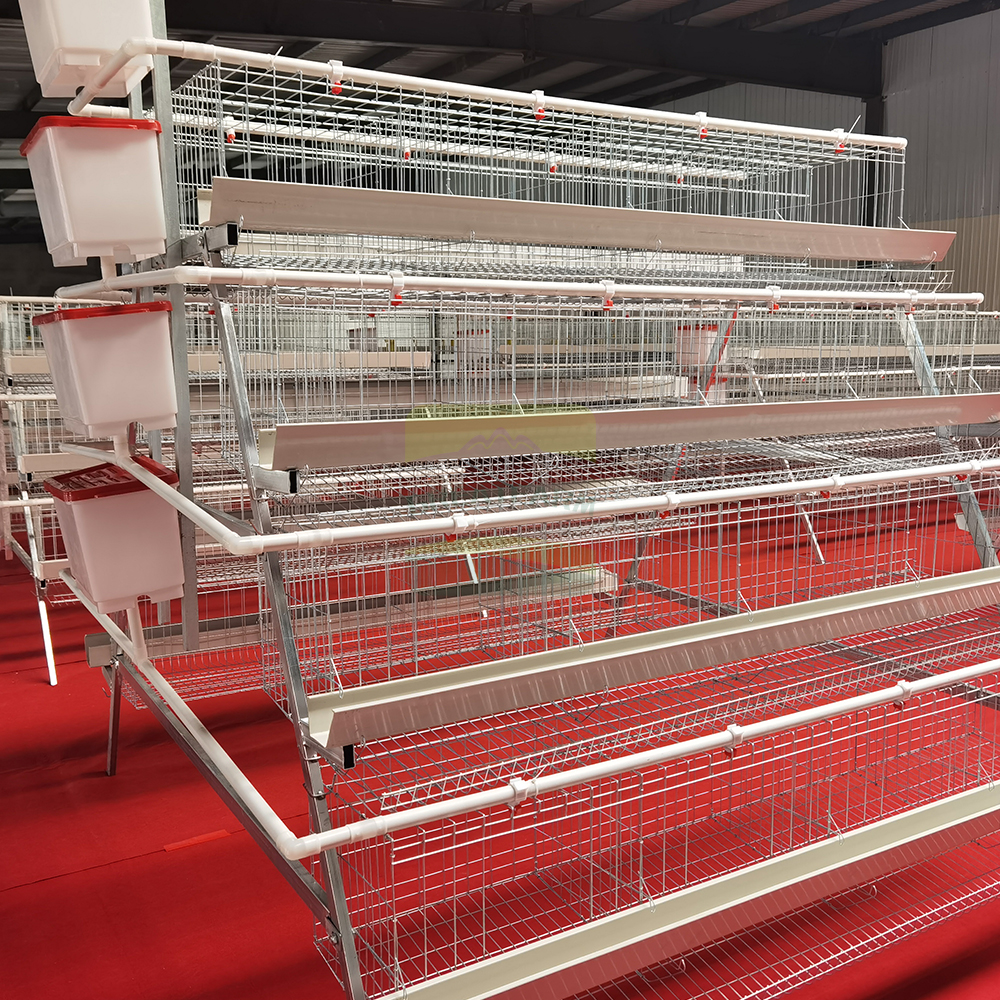
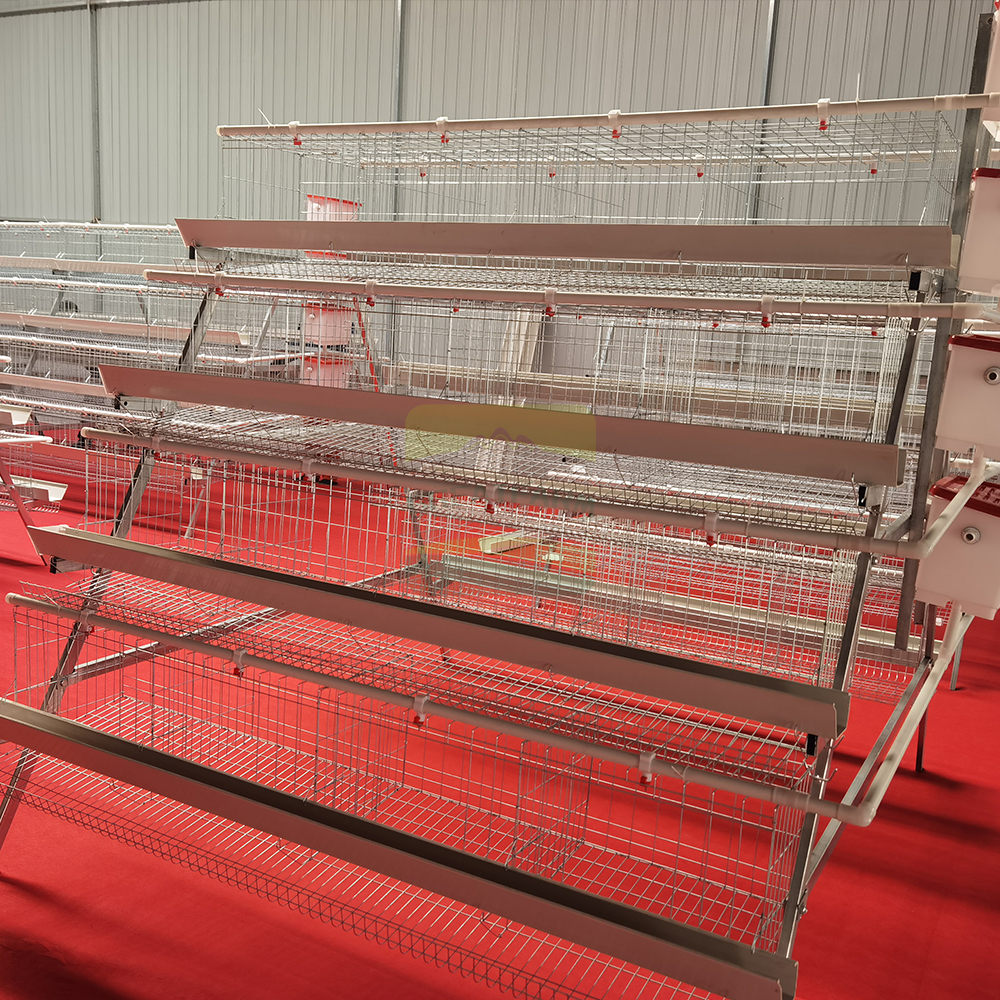
Understanding poultry farm equipment cost is essential for anyone planning to start or expand a poultry farming operation. The investment in quality equipment directly impacts productivity, animal welfare, and long-term profitability. Poultry farm equipment encompasses a wide range of machinery and systems designed to automate and optimize various farming processes. Core equipment includes feeding systems that distribute feed efficiently across the facility, automated watering systems ensuring constant access to fresh water, climate control units maintaining optimal temperature and humidity levels, egg collection mechanisms for layer operations, and waste management systems for maintaining hygiene. Modern poultry farm equipment cost varies significantly based on farm size, production goals, and automation levels. Small-scale operations might invest in basic manual or semi-automated systems, while commercial farms require fully automated solutions with advanced monitoring capabilities. The technological features of contemporary equipment include programmable controllers, sensor-based monitoring, energy-efficient designs, and integration with farm management software. These innovations allow farmers to track performance metrics, reduce labor requirements, and maintain consistent environmental conditions. Applications span broiler production, layer farming, breeder operations, and hatchery management. Each application demands specific equipment configurations tailored to production requirements. When evaluating poultry farm equipment cost, farmers must consider initial purchase prices, installation expenses, operational costs, maintenance requirements, and expected equipment lifespan. Making informed equipment decisions ensures sustainable operations and competitive advantages in the poultry industry.
New Product Recommendations

Investing wisely in poultry farm equipment cost delivers substantial returns through multiple operational improvements. First, automation reduces labor expenses significantly by handling repetitive tasks like feeding, watering, and egg collection without constant human intervention. This allows farm owners to allocate workforce resources to supervision and management activities rather than manual labor. Second, modern equipment enhances bird health and productivity by maintaining consistent environmental conditions, ensuring proper nutrition delivery, and minimizing stress factors. Healthier flocks translate directly to better growth rates, improved feed conversion ratios, and higher egg production in layer operations. Third, equipment investments improve biosecurity by reducing human traffic within poultry houses and implementing controlled access systems that prevent disease transmission. Fourth, energy-efficient equipment designs lower utility costs over time, making operations more sustainable and profitable despite higher upfront poultry farm equipment cost. Fifth, automated monitoring systems provide real-time data on flock performance, environmental parameters, and equipment functionality, enabling quick responses to potential problems before they escalate into costly issues. Sixth, quality equipment extends operational lifespan with proper maintenance, reducing replacement frequency and long-term capital expenditure. Seventh, scalability becomes achievable as modular equipment systems allow gradual expansion without complete operational overhauls. Eighth, compliance with animal welfare regulations and industry standards becomes simpler with properly designed equipment that meets certification requirements. Ninth, improved product quality through consistent environmental control and nutrition management enhances market competitiveness and premium pricing opportunities. Finally, understanding poultry farm equipment cost enables better financial planning, allowing farmers to secure appropriate financing, budget for maintenance, and calculate accurate return on investment projections that guide strategic business decisions.

Latest News

Farrowing Crates For Pigs

03

Jun

Farrowing Crates For Pigs

View More
How to Choose Farrowing and Gestation Equipment for a Modern Pig Farm

05

Jun

How to Choose Farrowing and Gestation Equipment for a Modern Pig Farm

View More
Beginning a Pig Farm: How to Choose the Right Pig Farming Equipment

03

Jun

Beginning a Pig Farm: How to Choose the Right Pig Farming Equipment

View More
GREAT FARM Invites You to Livestock Philippines 2026

05

Jun

GREAT FARM Invites You to Livestock Philippines 2026

View More

Get a Free Quote

Our representative will contact you soon.
Email
Mobile/WhatsApp
Name
Company Name
Message
0/1000

poultry farm equipment cost

Comprehensive Cost Analysis for Informed Investment Decisions

Comprehensive Cost Analysis for Informed Investment Decisions

Evaluating poultry farm equipment cost requires examining multiple financial dimensions beyond initial purchase prices. Successful farmers analyze total cost of ownership, which includes installation charges, operator training expenses, ongoing maintenance requirements, spare parts availability, energy consumption patterns, and expected equipment lifespan. Different equipment categories carry varying cost structures. Feeding systems typically represent substantial investments but deliver rapid returns through feed efficiency improvements and labor savings. Climate control equipment involves significant upfront poultry farm equipment cost yet proves essential for maintaining optimal growth conditions and preventing temperature-related losses. Egg handling systems for layer operations justify their expense through reduced breakage rates and labor reduction. When planning equipment purchases, consider phased implementation strategies that spread costs over time while progressively automating operations. Many suppliers offer financing options, leasing arrangements, or payment plans that make advanced equipment accessible to farms with limited capital. Additionally, government agricultural programs and subsidies may offset poultry farm equipment cost in certain regions. Comparing multiple suppliers, requesting detailed quotations, and negotiating package deals for complete system installations often yield cost advantages. Remember that cheapest options rarely deliver best value, as inferior equipment leads to higher maintenance costs, shorter lifespans, and operational disruptions that ultimately cost more than investing in quality systems from reputable manufacturers.
Scalable Solutions Matching Every Farm Size and Budget

Scalable Solutions Matching Every Farm Size and Budget

Poultry farm equipment cost varies dramatically based on operation scale, allowing farms of all sizes to find appropriate solutions. Small backyard operations with fewer than 500 birds can start with basic manual equipment including simple feeders, gravity-based waterers, and natural ventilation systems, keeping initial investments minimal while establishing proof of concept. Mid-size farms with 1,000 to 10,000 birds benefit from semi-automated systems featuring mechanical feeders, automatic drinkers, and basic climate control, balancing poultry farm equipment cost with efficiency gains. Large commercial operations exceeding 10,000 birds require fully automated integrated systems with computerized environmental controls, automated feeding chains, sophisticated ventilation systems, and centralized monitoring platforms. These comprehensive solutions involve substantial capital investment but deliver proportional efficiency benefits at scale. The modular nature of modern equipment allows strategic upgrades over time as operations grow and profitability increases. Start with essential systems addressing immediate operational needs, then progressively add automation features, monitoring capabilities, and efficiency enhancements. This staged approach manages poultry farm equipment cost effectively while building toward fully optimized operations. Equipment manufacturers increasingly offer customizable configurations that match specific farm requirements, production goals, and budget constraints. Working with experienced suppliers who understand poultry farm equipment cost structures helps identify optimal combinations of manual, semi-automated, and fully automated components that maximize value within available budgets while supporting future expansion plans.
Long-Term Value Through Durability and Efficiency

Long-Term Value Through Durability and Efficiency

The true measure of poultry farm equipment cost extends beyond purchase price to encompass long-term operational value and performance reliability. Quality equipment constructed from corrosion-resistant materials, featuring robust mechanical components, and backed by comprehensive warranties delivers superior value despite higher initial investment. Durable systems withstand harsh poultry house environments including moisture, ammonia exposure, and constant use without premature failure or frequent repairs. This reliability minimizes costly production disruptions and emergency replacement expenses. Energy-efficient equipment designs reduce ongoing operational costs substantially over equipment lifespans spanning 10-15 years or longer. Modern LED lighting systems, variable-speed ventilation fans, and optimized heating equipment can cut utility expenses by 30-50 percent compared to older technologies, quickly offsetting higher poultry farm equipment cost through utility savings. Maintenance requirements significantly impact total ownership costs, making equipment serviceability an important consideration. Systems with accessible components, readily available spare parts, and clear maintenance protocols reduce downtime and service expenses. Advanced monitoring capabilities prevent minor issues from escalating into major failures by alerting operators to performance deviations requiring attention. Equipment that improves feed conversion ratios, enhances growth rates, or increases egg production generates ongoing revenue improvements that accumulate substantially over time. When evaluating poultry farm equipment cost, calculate payback periods considering all operational improvements, cost reductions, and productivity enhancements to understand true investment value and make decisions that optimize both immediate affordability and long-term profitability.

Get a Free Quote

Our representative will contact you soon.
Email
Mobile/WhatsApp
Name
Company Name
Message
0/1000