Poultry Breeding Equipment Solutions & Systems

All Categories

poultry breeding equipment

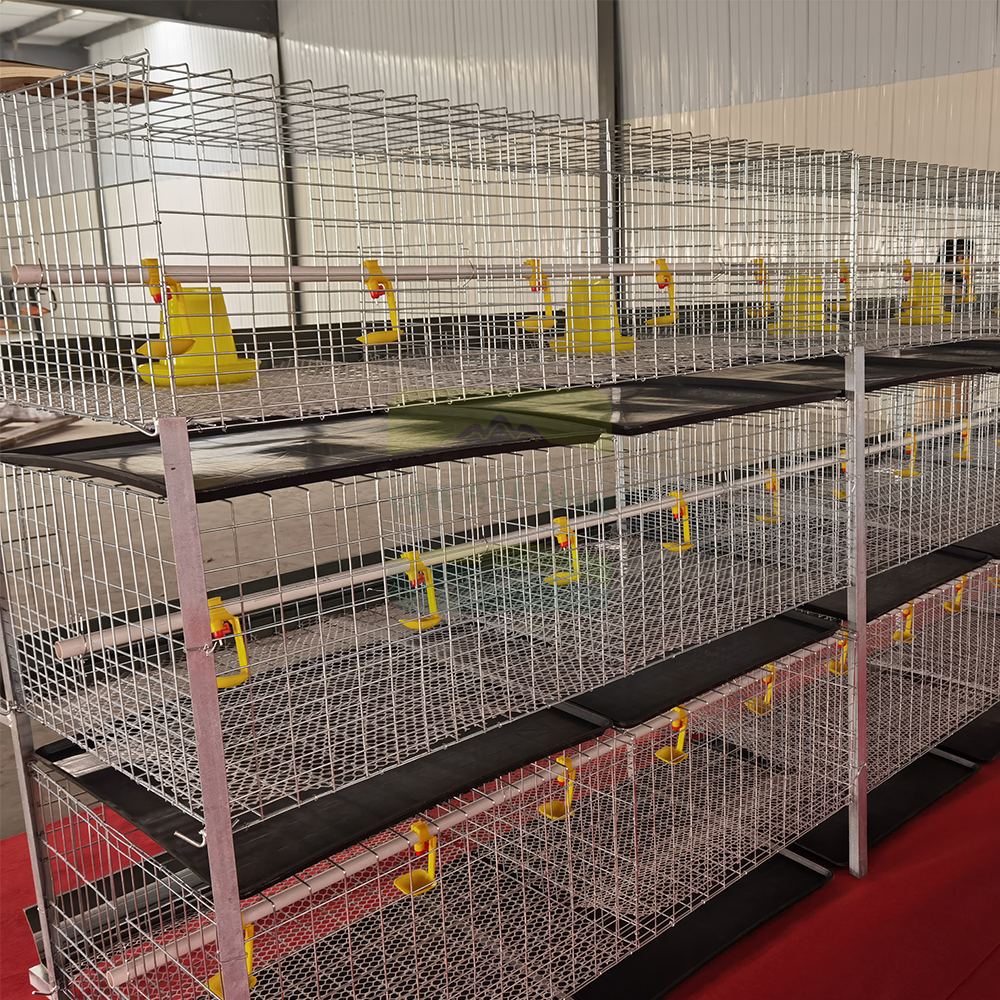
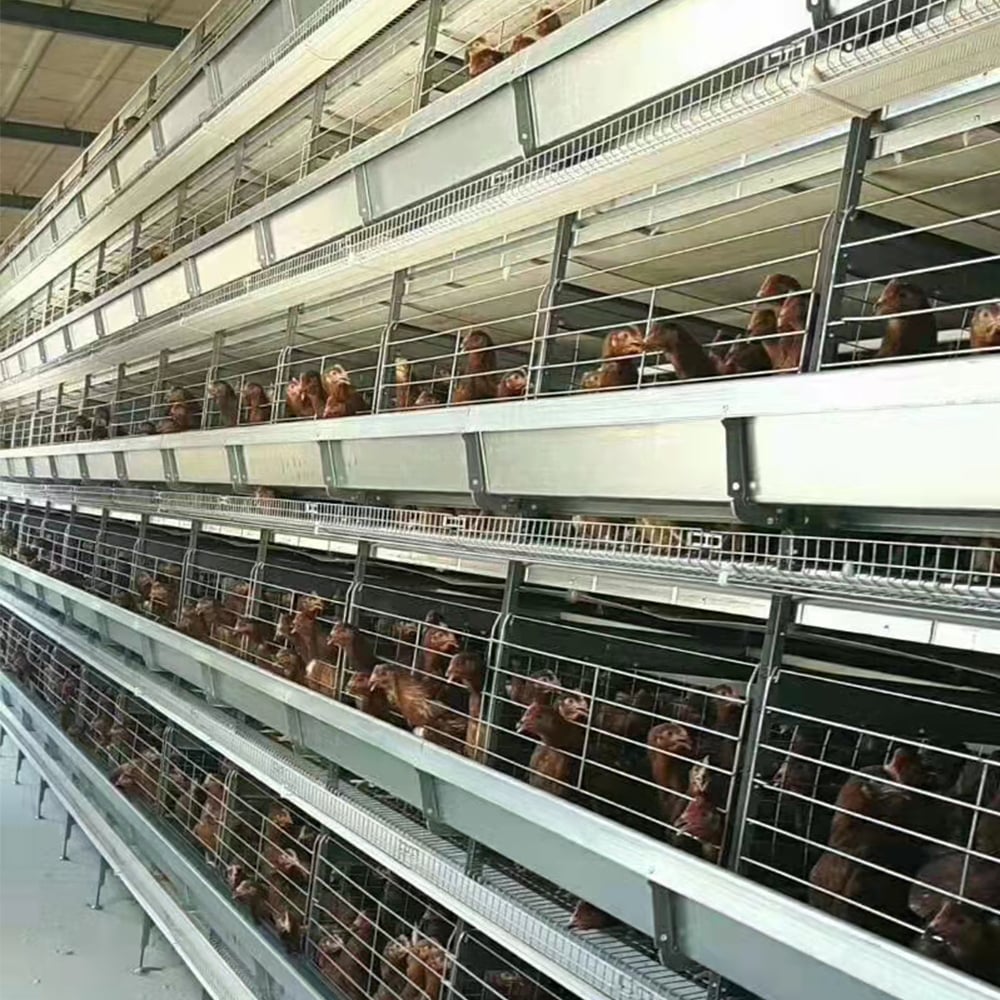
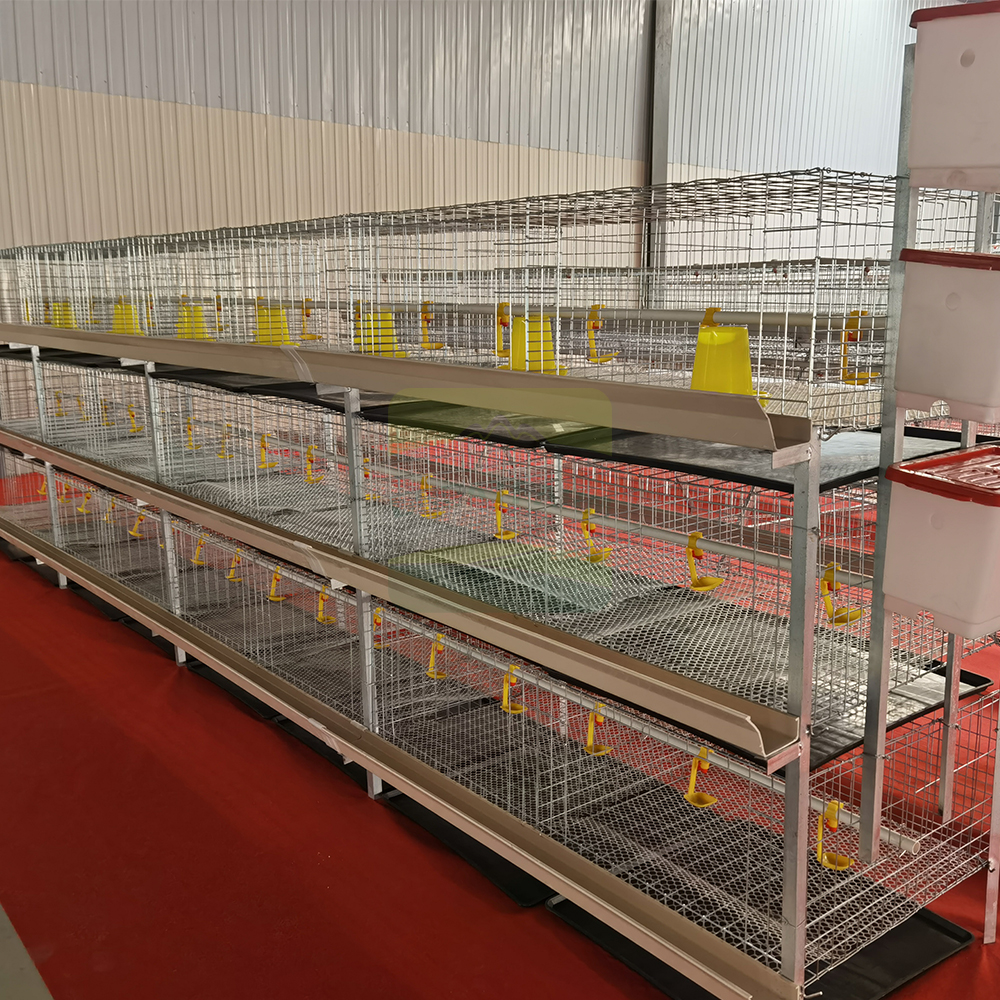
Poultry breeding equipment encompasses a comprehensive range of modern systems designed to optimize the rearing and management of chickens, turkeys, ducks, and other birds in commercial and small-scale operations. This specialized equipment includes automated feeding systems, climate control units, watering devices, egg collection machinery, and environmental monitoring tools that work together to create ideal conditions for bird health and productivity. The main functions of poultry breeding equipment center on maintaining optimal temperature and humidity levels, delivering precise nutrition and clean water, managing waste efficiently, and monitoring flock health in real-time. Technological features incorporate smart sensors, programmable controls, energy-efficient designs, and integrated software platforms that enable remote monitoring and data-driven decision-making. Modern poultry breeding equipment utilizes durable materials resistant to corrosion and bacterial growth, ensuring long-term reliability in demanding agricultural environments. Applications span across layer farms for egg production, broiler operations for meat production, breeder farms for chick hatching, and multi-purpose facilities serving diverse poultry species. The equipment adapts to various housing systems including cage-free barns, battery cages, and free-range facilities, accommodating different production scales from small family farms to large industrial operations. By integrating automation and precision control, poultry breeding equipment significantly reduces manual labor requirements while improving biosecurity measures and animal welfare standards throughout the production cycle.
Popular Products

Investing in quality poultry breeding equipment delivers substantial economic returns through improved feed conversion ratios and reduced operational costs. Automated systems minimize labor expenses by handling routine tasks like feeding schedules and water distribution without constant human intervention, allowing farm managers to focus on strategic planning and quality control. The equipment ensures consistent environmental conditions that directly translate to healthier birds with lower mortality rates and better growth performance, maximizing your return on investment. Energy-efficient designs in modern poultry breeding equipment reduce electricity and heating costs significantly compared to traditional methods, with smart controls adjusting operations based on actual needs rather than fixed schedules. These systems provide precise portion control for feed distribution, eliminating waste and ensuring each bird receives optimal nutrition for its growth stage, directly impacting your bottom line. The improved biosecurity features built into contemporary poultry breeding equipment help prevent disease outbreaks that could devastate entire flocks, protecting your investment and maintaining production continuity. Real-time monitoring capabilities allow you to detect problems early, from equipment malfunctions to environmental fluctuations, enabling quick responses that prevent small issues from becoming costly disasters. The scalability of modular poultry breeding equipment means you can start with essential systems and expand as your operation grows, avoiding large upfront capital requirements. Buyers benefit from increased production capacity per square meter of housing space, higher quality output meeting market standards, and simplified compliance with animal welfare regulations. The durability and low maintenance requirements of professional-grade equipment ensure years of reliable operation, reducing downtime and repair costs while maintaining consistent production levels that meet market demand reliably.

Latest News

Farrowing Crates For Pigs

03

Jun

Farrowing Crates For Pigs

View More
How to Choose Farrowing and Gestation Equipment for a Modern Pig Farm

05

Jun

How to Choose Farrowing and Gestation Equipment for a Modern Pig Farm

View More
Beginning a Pig Farm: How to Choose the Right Pig Farming Equipment

03

Jun

Beginning a Pig Farm: How to Choose the Right Pig Farming Equipment

View More
GREAT FARM Invites You to Livestock Philippines 2026

05

Jun

GREAT FARM Invites You to Livestock Philippines 2026

View More

Get a Free Quote

Our representative will contact you soon.
Email
Mobile/WhatsApp
Name
Company Name
Message
0/1000

poultry breeding equipment

Advanced Climate Control Technology

Advanced Climate Control Technology

Modern poultry breeding equipment features sophisticated climate control systems that maintain precise temperature and humidity levels crucial for optimal bird health and productivity. These automated environmental management systems use multiple sensors distributed throughout the facility to monitor conditions continuously, adjusting ventilation fans, heating elements, and cooling pads in real-time to maintain ideal parameters. The technology accounts for variables including outside weather conditions, bird age and density, and seasonal changes, automatically adapting to ensure consistent comfort regardless of external factors. This precision control reduces heat stress during summer months and prevents cold stress in winter, both of which significantly impact feed efficiency and growth rates. The system also manages air quality by controlling ammonia levels and ensuring adequate oxygen circulation, creating a healthier environment that reduces respiratory issues and disease transmission. Farmers benefit from reduced energy consumption through intelligent operation that runs equipment only when necessary, while birds experience lower stress levels that translate to better meat quality, higher egg production rates, and improved overall welfare standards that meet increasingly stringent regulatory requirements.
Intelligent Automated Feeding Systems

Intelligent Automated Feeding Systems

Poultry breeding equipment incorporates cutting-edge automated feeding systems that deliver precise nutrition tailored to specific growth stages and production goals. These systems utilize computer-controlled dispensers that distribute exact feed quantities at programmed intervals, ensuring birds receive consistent nutrition without overfeeding or wastage. The equipment accommodates different feed formulations for various age groups, automatically switching recipes as birds mature without requiring manual intervention or risking mixing errors. Advanced sensors monitor feed levels in storage bins and alert managers before supplies run low, preventing gaps in nutrition delivery that could impact growth performance. The feeding systems minimize feed contamination through enclosed delivery channels that protect against moisture, pests, and bacterial growth, maintaining feed quality from storage to consumption. Distribution mechanisms ensure even access across the entire facility, preventing competition and aggressive behavior that can result in injuries and uneven flock development. The automation dramatically reduces labor time previously spent on manual feeding rounds, while eliminating human error in portion calculation and timing. Farmers gain detailed consumption data that reveals flock health trends and enables optimization of feed formulations, directly improving conversion ratios and reducing the largest operational expense in poultry production.
Comprehensive Health Monitoring Integration

Comprehensive Health Monitoring Integration

Contemporary poultry breeding equipment includes integrated health monitoring systems that provide unprecedented visibility into flock wellbeing and performance metrics. These sophisticated platforms collect data from multiple sources including weight scales, water consumption meters, activity sensors, and environmental monitors to create comprehensive health profiles for your operation. The systems employ artificial intelligence algorithms that identify subtle pattern changes indicating potential health issues before clinical symptoms become apparent, enabling proactive veterinary intervention that prevents disease spread. Automated alerts notify managers immediately when parameters deviate from normal ranges, whether due to equipment malfunction, environmental changes, or emerging health concerns requiring attention. The monitoring integration tracks key performance indicators including daily weight gain, feed conversion efficiency, water consumption patterns, and mortality rates, presenting this information through user-friendly dashboards accessible via smartphone or computer. Historical data storage enables trend analysis that reveals seasonal patterns, evaluates the effectiveness of management changes, and supports continuous improvement initiatives. This comprehensive approach to flock management reduces veterinary costs through early problem detection, improves production consistency by maintaining optimal conditions, and provides documentation supporting quality certifications and regulatory compliance requirements increasingly demanded by modern poultry markets.

Get a Free Quote

Our representative will contact you soon.
Email
Mobile/WhatsApp
Name
Company Name
Message
0/1000