hog gestation crates
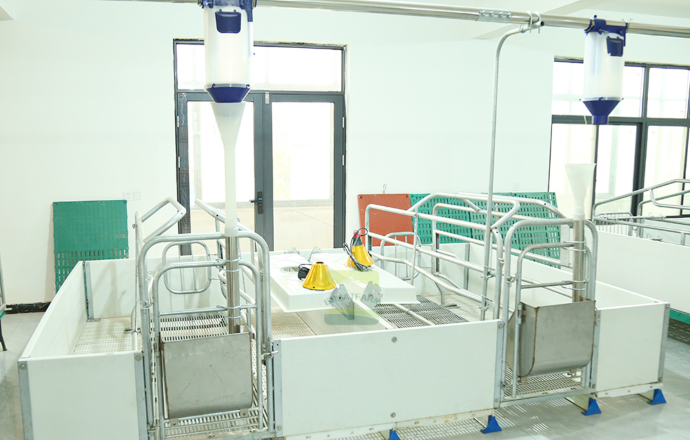
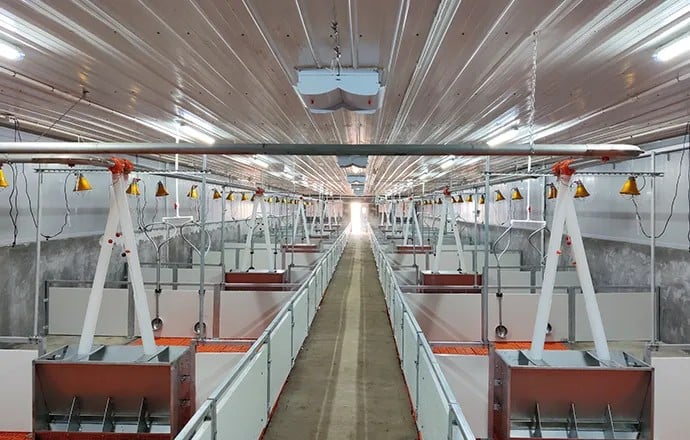
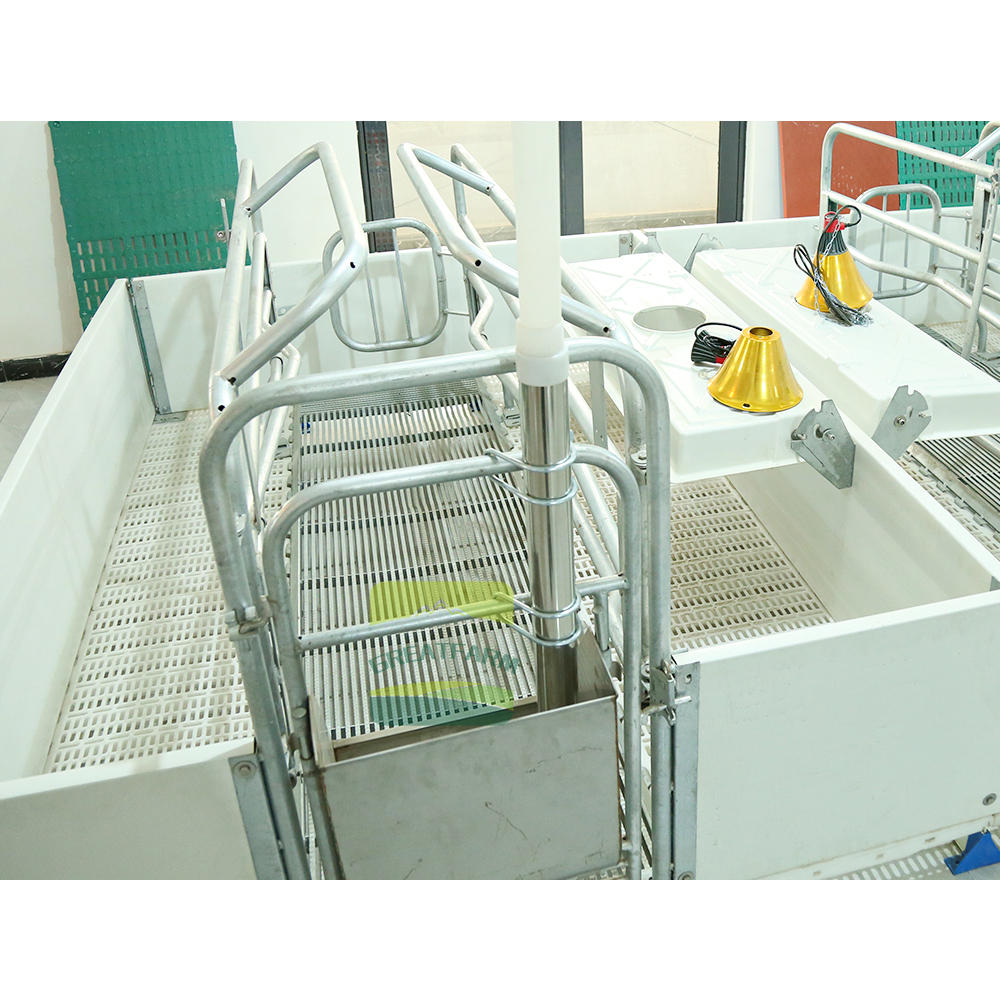
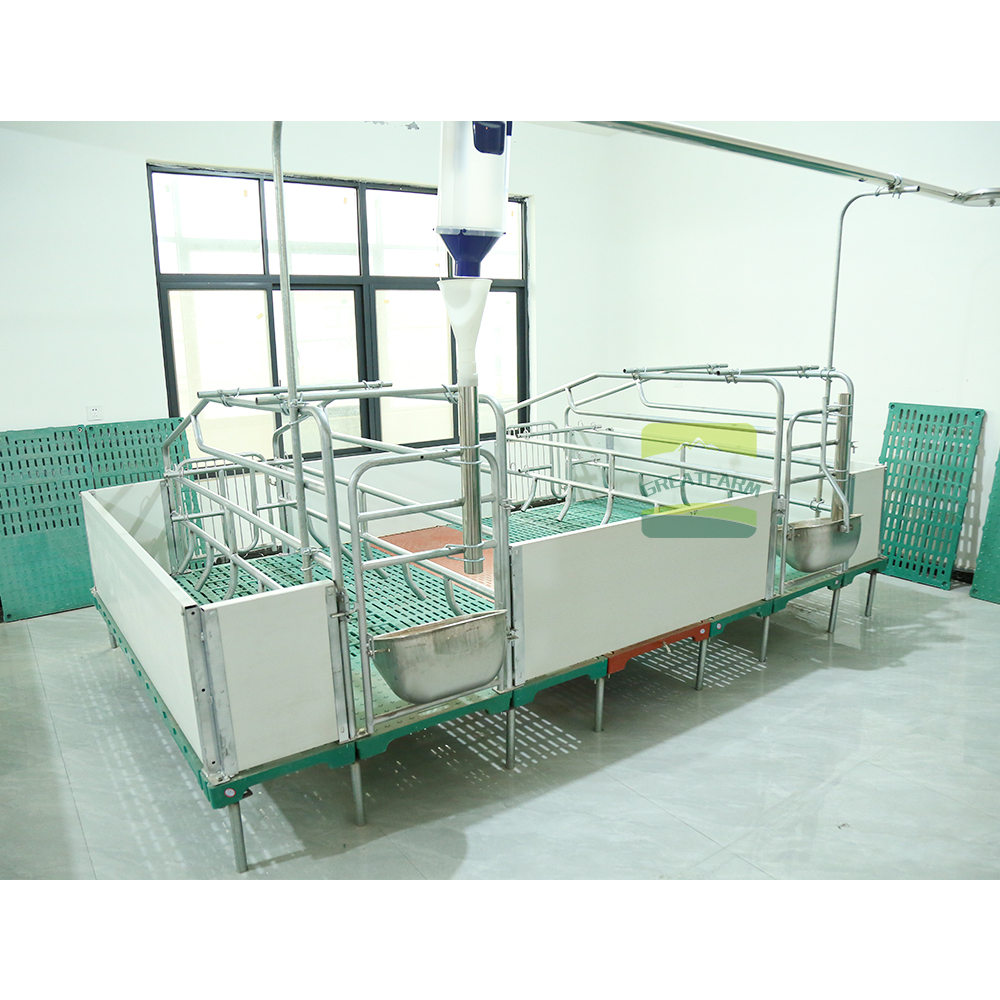
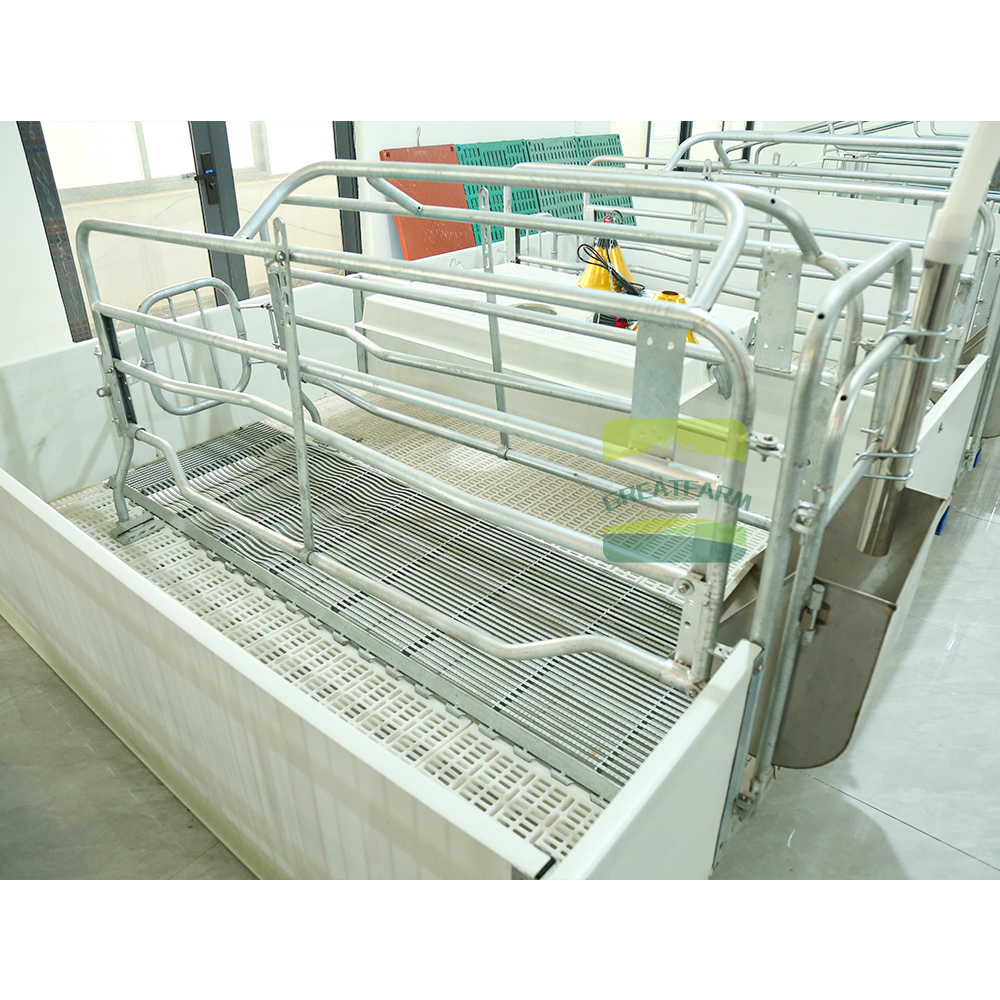
Hog gestation crates are specialized housing systems designed to individually confine pregnant sows during their gestation period, which typically lasts approximately 114 days. These crates provide a controlled environment that ensures the safety and health of pregnant sows while optimizing farm management efficiency. Hog gestation crates are constructed from durable materials such as galvanized steel or stainless steel, featuring adjustable dimensions to accommodate sows of various sizes. The primary functions include preventing aggressive behavior between sows, reducing competition for feed and water, enabling precise individual monitoring of each animal's health status, and facilitating targeted nutrition management. Technological features of modern hog gestation crates include slatted or partially slatted flooring for efficient waste management, integrated feeding systems that deliver controlled portions, automatic watering systems with bite-valve drinkers, and adjustable side panels that allow customization based on sow size. Many contemporary designs incorporate features that permit limited movement while maintaining the benefits of individual housing. Applications of hog gestation crates span commercial swine operations of all scales, from small family farms to large integrated production facilities. These systems are particularly valuable in operations focused on maximizing reproductive efficiency, maintaining detailed health records, and implementing precise breeding programs. The crates enable farm managers to identify and address health issues promptly, administer individual treatments when necessary, and track reproductive performance with accuracy. As the swine industry continues to evolve, hog gestation crates remain an important housing option for producers seeking to balance animal welfare considerations with operational efficiency and economic viability.



 EN
EN