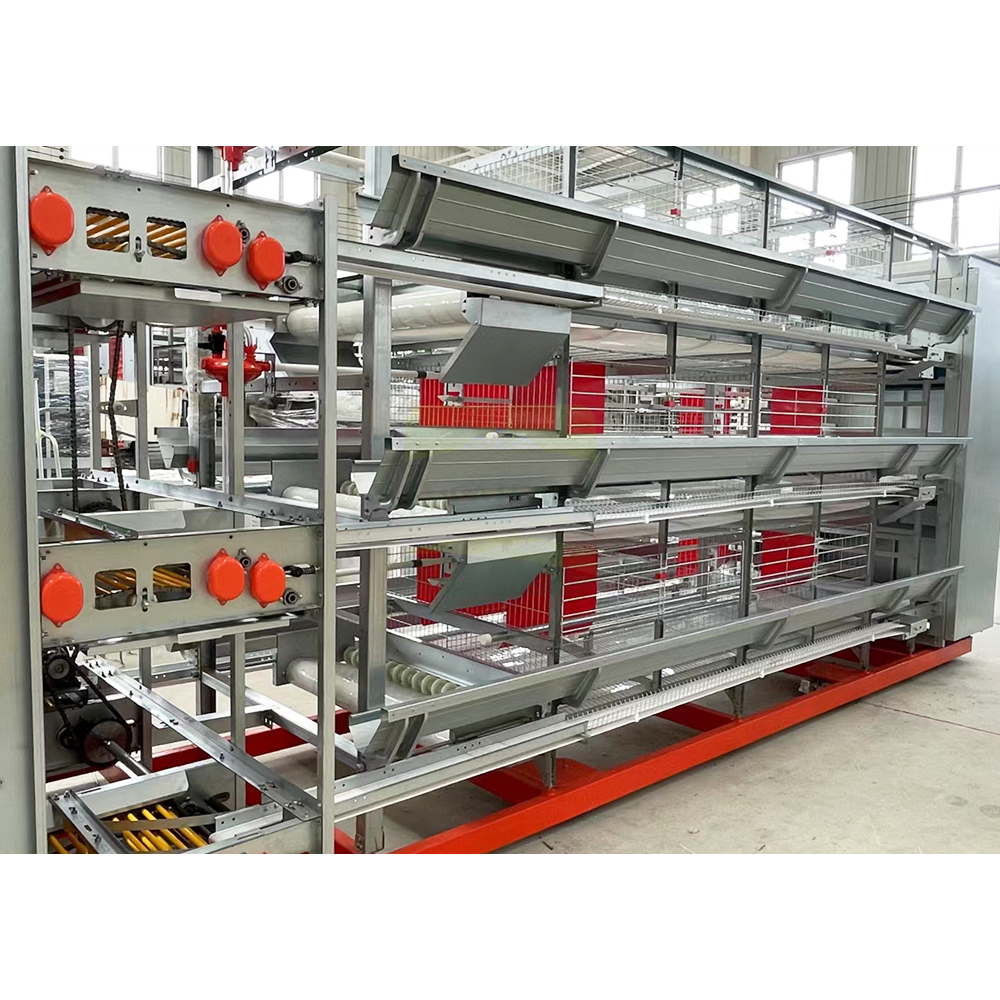
H Type Layer Cage Systems for Poultry Farms

All Categories

h type layer cage

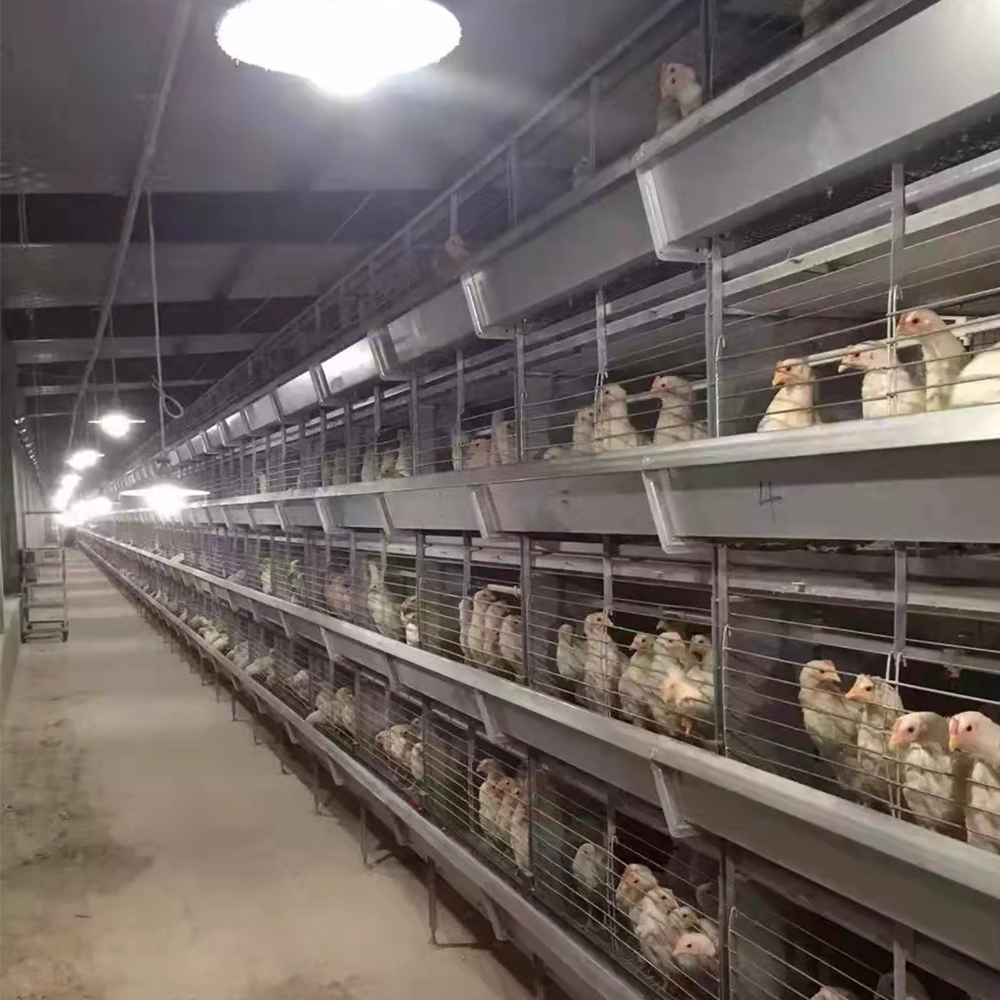
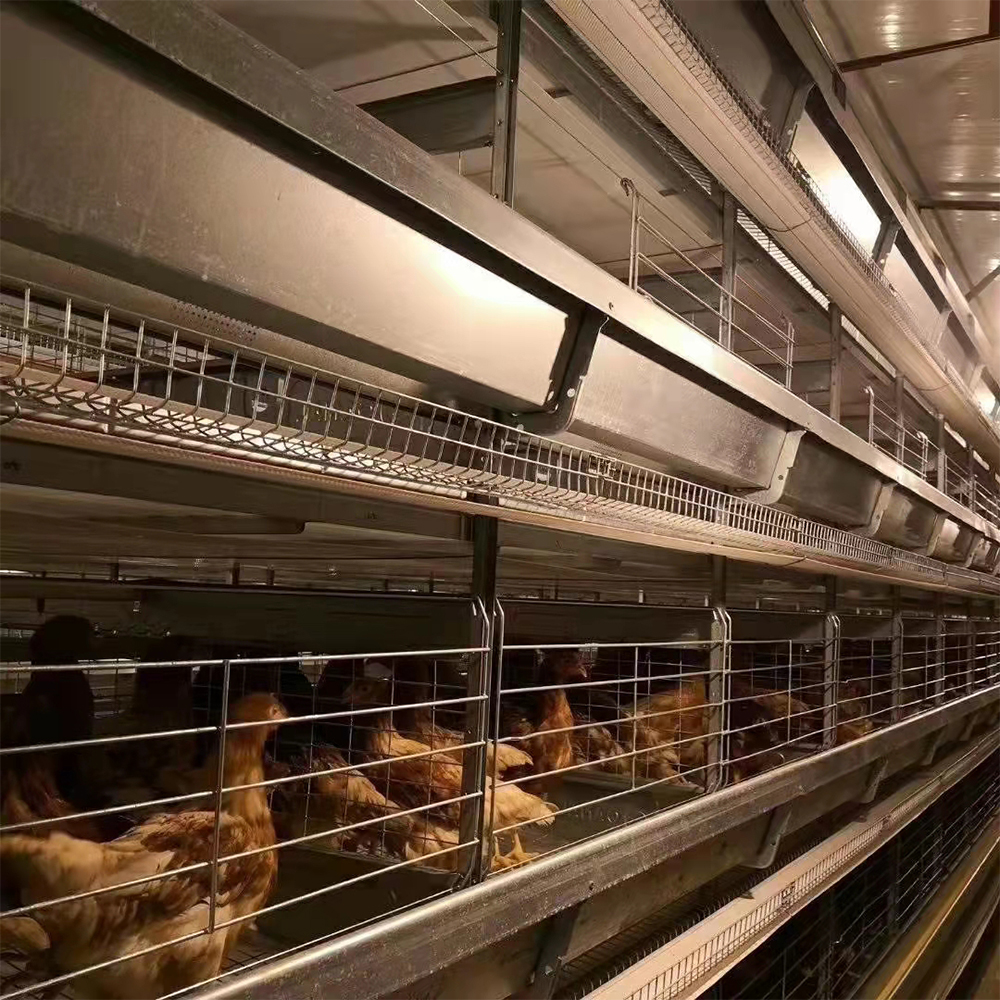
The h type layer cage represents an advanced poultry housing system designed specifically for commercial egg production operations. This vertical stacking cage configuration maximizes space utilization by arranging multiple tiers of cages in an H-shaped framework, allowing farmers to house significantly more birds within the same floor area compared to traditional systems. The h type layer cage incorporates automated feeding, watering, and egg collection mechanisms that streamline daily operations and reduce labor requirements. Built with galvanized steel wire and corrosion-resistant materials, these cage systems provide durable housing that withstands harsh environmental conditions while maintaining bird health and productivity. The design features include sloped floors for automatic egg rolling, efficient waste removal systems through integrated manure belts, and optimized cage dimensions that ensure adequate space per bird according to animal welfare standards. Modern h type layer cage installations typically include climate control integration points, allowing farmers to maintain optimal temperature and ventilation throughout the facility. The modular construction enables scalable expansion as operations grow, while the systematic arrangement facilitates easy monitoring and management of the entire flock. This cage system suits large-scale commercial operations seeking to improve production efficiency, reduce operational costs, and maintain consistent egg quality standards throughout the production cycle.
New Product Releases

Investing in an h type layer cage delivers substantial economic returns through multiple operational improvements. The vertical design dramatically increases bird capacity per square meter, allowing you to produce more eggs from the same facility footprint without expanding your building infrastructure. This space efficiency translates directly into higher revenue potential from your existing investment. The automated systems integrated into the h type layer cage reduce labor costs by up to sixty percent compared to manual operations, freeing your workers to focus on flock health monitoring and quality control rather than repetitive feeding and collection tasks. You will notice improved egg quality and reduced breakage rates thanks to the automatic collection system that gathers eggs quickly and handles them gently throughout the process. The manure removal system keeps the environment cleaner, reducing ammonia levels and creating healthier conditions that lower disease risks and veterinary expenses. Better air quality means your birds experience less stress, leading to more consistent laying rates and longer productive lifespans. The h type layer cage construction allows for easier cleaning and disinfection between flocks, minimizing downtime and maintaining biosecurity standards that protect your investment. Feed conversion efficiency improves because the system delivers precise portions directly to each bird, eliminating waste from spillage and ensuring optimal nutrition. The standardized cage environment creates uniform conditions across your entire flock, resulting in predictable production metrics that simplify planning and financial forecasting. These operational benefits combine to deliver faster return on investment, typically within three to four years, while positioning your operation for sustainable growth and competitive advantage in the commercial egg market.

Tips And Tricks

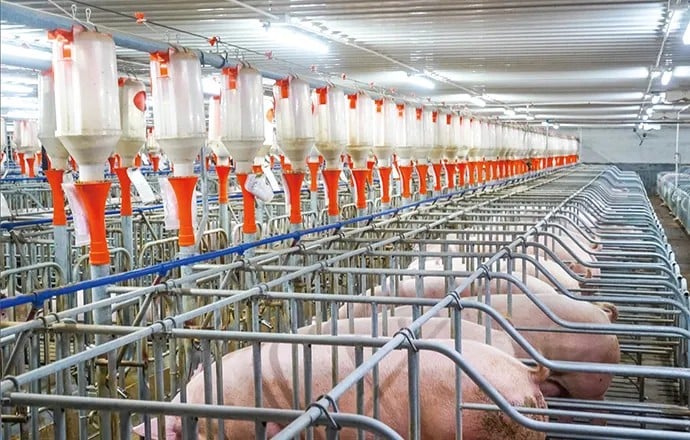
Farrowing Crates For Pigs

03

Jun

Farrowing Crates For Pigs

View More
How to Choose Farrowing and Gestation Equipment for a Modern Pig Farm

05

Jun

How to Choose Farrowing and Gestation Equipment for a Modern Pig Farm

View More
Beginning a Pig Farm: How to Choose the Right Pig Farming Equipment

03

Jun

Beginning a Pig Farm: How to Choose the Right Pig Farming Equipment

View More
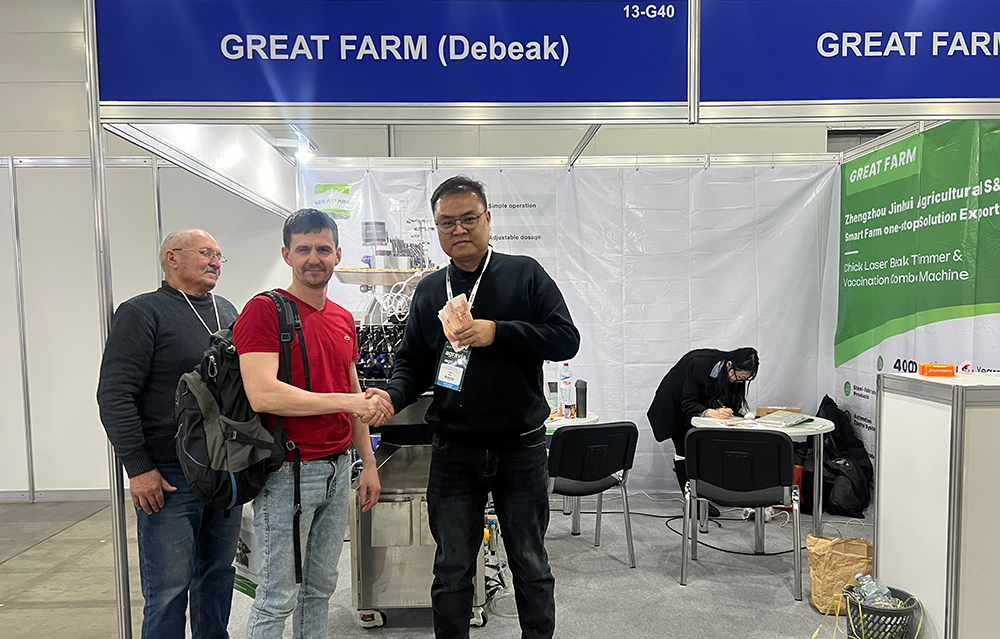
Laser Tech Shines in Moscow: GREAT FARM’s Laser Debeaking Machine Leads the Charge at 2026 Russia Livestock Expo, Securing Major On-site Orders

05

Jun

Laser Tech Shines in Moscow: GREAT FARM’s Laser Debeaking Machine Leads the Charge at 2026 Russia Livestock Expo, Securing Major On-site Orders

View More

Get a Free Quote

Our representative will contact you soon.
Email
Mobile/WhatsApp
Name
Company Name
Message
0/1000

h type layer cage

Maximum Space Utilization and Production Capacity

Maximum Space Utilization and Production Capacity

The h type layer cage achieves exceptional efficiency through its vertical stacking design that accommodates four to eight tiers of cages within standard facility heights. This architectural advantage allows commercial producers to house between twenty thousand to fifty thousand layers in facilities that would accommodate only a fraction of that number using conventional floor systems. The H-shaped structural framework provides superior stability while supporting the substantial weight of multiple cage tiers, feed systems, and the bird population itself. Each tier maintains proper spacing for ventilation and access, ensuring birds throughout the vertical arrangement receive adequate airflow and lighting. The compact footprint reduces building costs per bird housed, lowers heating and cooling expenses through decreased cubic volume, and minimizes land requirements in areas where real estate costs significantly impact operational economics. Farmers expanding production capacity can install additional h type layer cage units within existing structures rather than constructing new buildings, providing a cost-effective growth pathway. This density advantage becomes particularly valuable in regions with limited agricultural land availability or strict zoning regulations that restrict facility expansion.
Integrated Automation for Labor Efficiency

Integrated Automation for Labor Efficiency

The h type layer cage incorporates comprehensive automation that transforms daily management routines and dramatically reduces manual labor requirements. Automated feeding systems deliver precisely measured portions through central distribution lines that reach every cage tier simultaneously, ensuring uniform nutrition across the entire flock while eliminating the physical demands of manual feeding. Automated watering systems with nipple drinkers provide continuous fresh water access while preventing spillage that creates wet litter and unhealthy conditions. The egg collection system uses conveyor belts that transport eggs gently from cages to a central collection point, reducing handling damage and saving hours of labor daily. Manure removal belts automatically transport waste away from the cage area to designated storage or processing locations, maintaining cleaner air quality and reducing disease vectors without constant manual cleaning. This automation allows one or two workers to effectively manage facilities housing tens of thousands of birds, operations that would traditionally require a much larger workforce. The consistency of automated systems eliminates human variability in care routines, ensuring every bird receives identical treatment regardless of time, day, or which staff member is working, leading to more uniform flock performance and predictable production outcomes.
Enhanced Bird Health and Production Performance

Enhanced Bird Health and Production Performance

The h type layer cage design prioritizes environmental conditions that support optimal laying performance and flock health throughout extended production cycles. The elevated cage positioning with slatted or wire floors keeps birds completely separated from manure accumulation, dramatically reducing exposure to pathogens, parasites, and harmful ammonia concentrations that compromise respiratory health in floor-based systems. Individual cage compartments prevent aggressive interactions and pecking order disputes that cause stress, feather damage, and production disruptions in group housing situations. The controlled feeding environment ensures subordinate birds receive adequate nutrition without competition from dominant flock members, resulting in more uniform body weights and consistent egg production across the population. Sloped cage floors facilitate natural egg rolling away from birds immediately after laying, preventing egg eating behaviors and reducing shell contamination that affects both egg quality and food safety metrics. The systematic arrangement enables farm managers to quickly identify and address individual bird health issues before problems spread throughout the flock. Climate control systems work more effectively with the organized h type layer cage layout, maintaining temperature and humidity parameters that support peak laying performance while minimizing energy consumption compared to less organized housing arrangements that create hot spots and dead air zones.

Get a Free Quote

Our representative will contact you soon.
Email
Mobile/WhatsApp
Name
Company Name
Message
0/1000