Automated Layer Cages - Efficient Poultry Systems

All Categories

automated layer cages

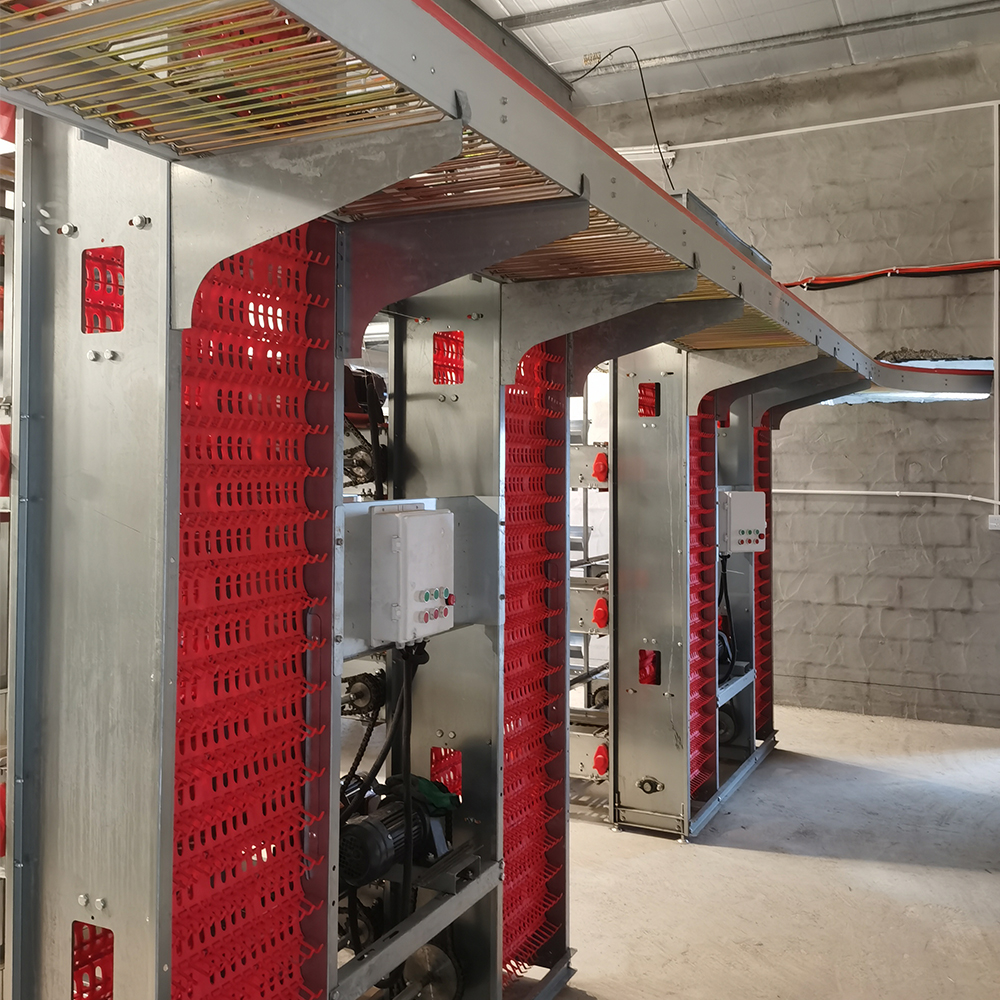
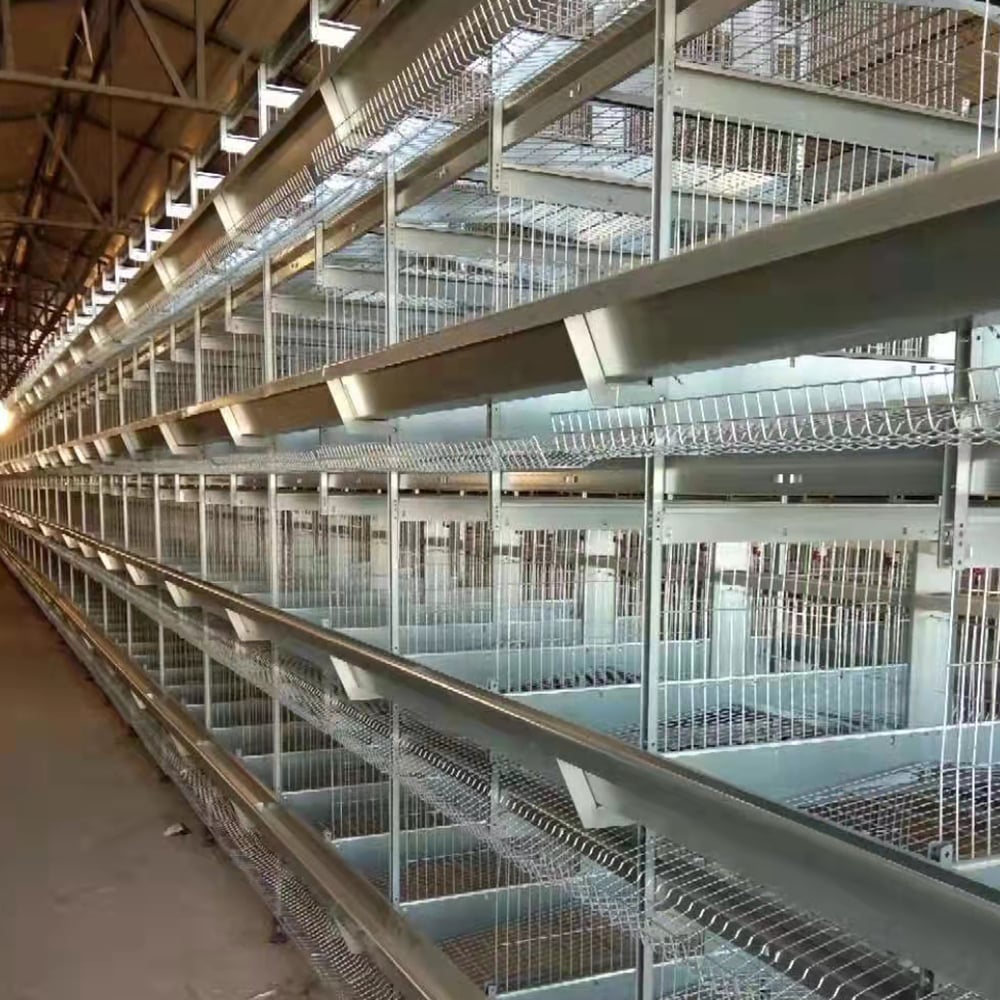
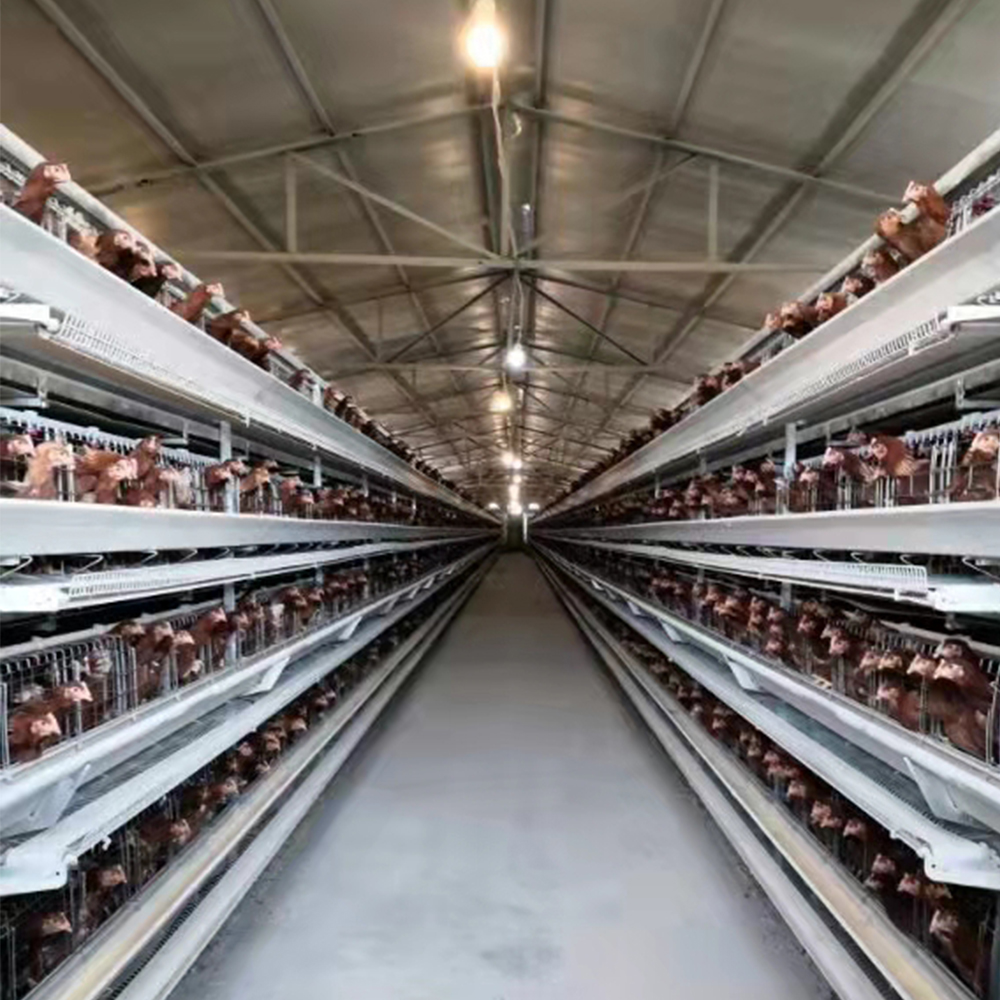
Automated layer cages represent a revolutionary advancement in modern poultry farming, designed to optimize egg production while minimizing labor requirements and operational costs. These sophisticated systems integrate cutting-edge technology with practical design to create an efficient environment for laying hens. Automated layer cages feature multiple tiers of housing units equipped with automatic feeding systems, watering mechanisms, egg collection conveyors, and manure removal belts that work seamlessly together. The main functions include providing comfortable housing for layers, ensuring consistent feed and water delivery, collecting eggs safely without human intervention, and maintaining hygiene through automated waste management. Technological features encompass programmable feeding schedules, climate control integration, real-time monitoring sensors, and data analytics capabilities that allow farmers to track productivity metrics and bird health indicators. The automated layer cages utilize durable galvanized steel construction with corrosion-resistant coatings to ensure longevity even in demanding farm environments. Applications span commercial egg production facilities of various scales, from medium-sized operations managing several thousand birds to large industrial farms housing hundreds of thousands of layers. These systems adapt to different farming philosophies, including conventional cage systems and enriched colony housing that provides additional space and environmental enrichment. The modular design of automated layer cages allows for scalable implementation, enabling farmers to expand operations gradually while maintaining consistent production standards across all units.
Popular Products

Investing in automated layer cages delivers substantial returns through multiple channels that directly impact your bottom line and operational efficiency. Labor costs decrease dramatically as automation handles repetitive tasks that traditionally required multiple workers throughout the day. Your team can redirect their focus toward strategic management activities, bird health monitoring, and quality control rather than manual feeding and egg collection. Production efficiency increases significantly because automated layer cages ensure every bird receives optimal nutrition and water access at precisely scheduled intervals, eliminating the inconsistencies inherent in manual feeding systems. Egg quality improves as automated collection systems gently transport eggs from nests to packaging areas, reducing breakage rates from the typical 6-8 percent down to just 1-2 percent. This translates directly into higher revenue per bird housed. Bird welfare standards elevate naturally within automated layer cages because consistent feeding, continuous water availability, and regular waste removal create healthier living conditions that reduce stress and disease transmission. Healthier flocks mean lower veterinary costs and reduced mortality rates, protecting your investment in each bird. Space utilization reaches maximum efficiency through vertical tiered designs that allow you to house significantly more birds per square foot of barn space compared to traditional floor systems. This becomes especially valuable in regions where land costs are high or expansion opportunities are limited. Environmental management improves as automated layer cages incorporate manure removal systems that facilitate composting or biogas generation, turning waste into revenue streams while minimizing odor and environmental impact. The data collection capabilities built into modern automated layer cages provide actionable insights into feed conversion ratios, production trends, and equipment performance, empowering you to make informed decisions that continuously optimize your operation.

Latest News

Farrowing Crates For Pigs

03

Jun

Farrowing Crates For Pigs

View More
How to Choose Farrowing and Gestation Equipment for a Modern Pig Farm

05

Jun

How to Choose Farrowing and Gestation Equipment for a Modern Pig Farm

View More
Beginning a Pig Farm: How to Choose the Right Pig Farming Equipment

03

Jun

Beginning a Pig Farm: How to Choose the Right Pig Farming Equipment

View More
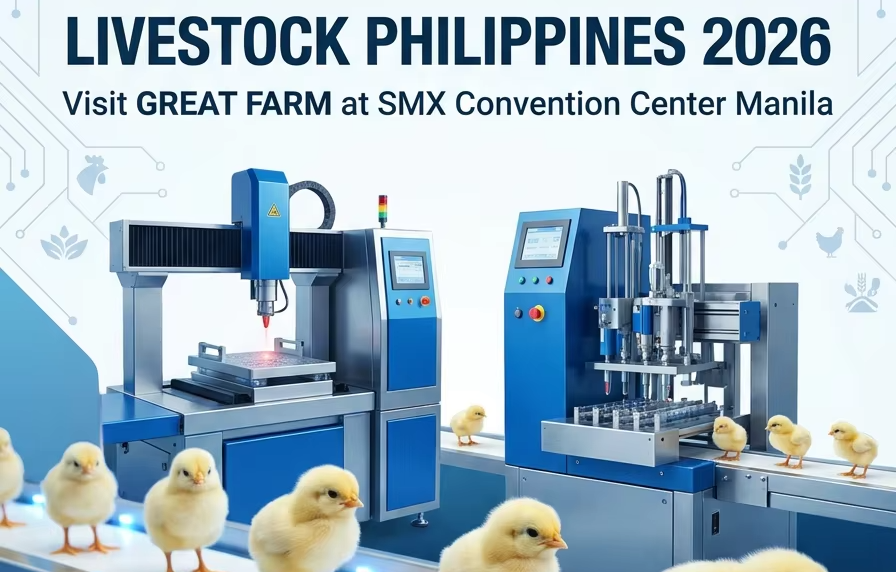
GREAT FARM Invites You to Livestock Philippines 2026

05

Jun

GREAT FARM Invites You to Livestock Philippines 2026

View More

Get a Free Quote

Our representative will contact you soon.
Email
Mobile/WhatsApp
Name
Company Name
Message
0/1000

automated layer cages

Intelligent Feeding and Watering Systems

Intelligent Feeding and Watering Systems

The intelligent feeding and watering systems integrated into automated layer cages revolutionize nutritional management for laying flocks. Precision feeding mechanisms distribute exact portions according to programmable schedules that align with the birds' natural consumption patterns and production cycles. This eliminates both underfeeding that compromises egg production and overfeeding that wastes expensive feed resources. The system calculates optimal feed quantities based on flock age, production rates, and environmental conditions, adjusting automatically to maintain peak performance. Nipple drinkers or cup waterers positioned at ideal heights ensure every bird accesses fresh water continuously without contamination from manure or feed particles. Water flow sensors detect and alert operators to blockages or malfunctions immediately, preventing dehydration issues that could devastate production. The automated layer cages incorporate feed storage silos and distribution chains that minimize manual handling, reducing labor requirements by up to seventy percent compared to conventional systems. This automation consistency means birds experience less stress from human interaction and maintain steadier production rhythms throughout their laying cycles.
Advanced Egg Collection and Protection

Advanced Egg Collection and Protection

Advanced egg collection mechanisms within automated layer cages transform the most delicate aspect of layer management into a smooth, damage-free process. Gently sloped cage floors guide freshly laid eggs onto cushioned conveyor belts that transport them away from the birds immediately, preventing pecking damage, contamination, and breakage. This automated layer cages feature reduces human handling to nearly zero during the collection phase, minimizing bacterial transfer and maintaining superior shell cleanliness that commands premium prices in quality-conscious markets. The collection system operates on programmable intervals, typically every few hours, ensuring eggs never remain in cages long enough to sustain damage from bird traffic or accumulation. Central collection points consolidate eggs from entire barn sections, where automated counters track daily production by zone, providing granular data that helps identify underperforming areas requiring attention. Temperature-controlled collection areas preserve egg freshness from the moment of lay until packaging, extending shelf life and meeting stringent food safety standards. The reduction in cracked and dirty eggs directly increases marketable production, with many operations reporting revenue increases of fifteen to twenty percent simply from improved egg quality grades.
Comprehensive Manure Management Solutions

Comprehensive Manure Management Solutions

Comprehensive manure management solutions built into automated layer cages address one of poultry farming's most challenging aspects with remarkable efficiency. Automated belt systems positioned beneath each cage tier continuously or periodically remove droppings, transporting waste away from bird living areas to external collection points. This constant removal dramatically improves air quality inside barns by reducing ammonia concentrations that harm both bird respiratory health and worker safety. Better air quality translates into healthier flocks with stronger immune systems and higher sustained production rates throughout laying cycles. The automated layer cages design facilitates either wet or dry manure handling depending on your operational preferences and local regulations. Dry systems produce manure with lower moisture content ideal for composting or direct land application as organic fertilizer, creating additional revenue opportunities or reducing fertilizer purchase costs for integrated farming operations. The separation of manure from living areas also breaks pest breeding cycles, significantly reducing fly populations and rodent attractions that plague conventional housing systems. Cleaner environments mean lower disease pressure, reduced medication needs, and improved biosecurity that protects your entire operation from pathogen transmission between flocks.

Get a Free Quote

Our representative will contact you soon.
Email
Mobile/WhatsApp
Name
Company Name
Message
0/1000