 EN
On the Ground in Africa: Customer Visits, Farm Projects & Local Partnerships
From in-person project meetings in Nigeria to distributor visits in Uganda, GREAT FARM continues to connect with local partners, understand practical farm requirements and explore equipment solutions through face-to-face discussions.
Listening first. Understanding real farm needs.
For livestock and poultry projects, a productive partnership starts with understanding the farm itself: the site, production objectives, operating conditions and equipment requirements. During customer visits in African markets, the GREAT FARM team held project conversations, met local equipment distributors and reviewed farm-related construction and supply needs.
The photographs document meetings with customers, technical discussions, a steel-structure construction site, local retail channels and business exchanges. They provide a practical view of how GREAT FARM approaches international cooperation—through direct communication, project-specific evaluation and follow-up planning.
Direct project discussions
Reviewing customer priorities, farm plans and possible equipment requirements in person.
Farm building considerations
Looking at structural construction progress and the practical implications of facility layout.
Distributor relationships
Learning how locally available poultry and livestock supplies are presented to farm operators.
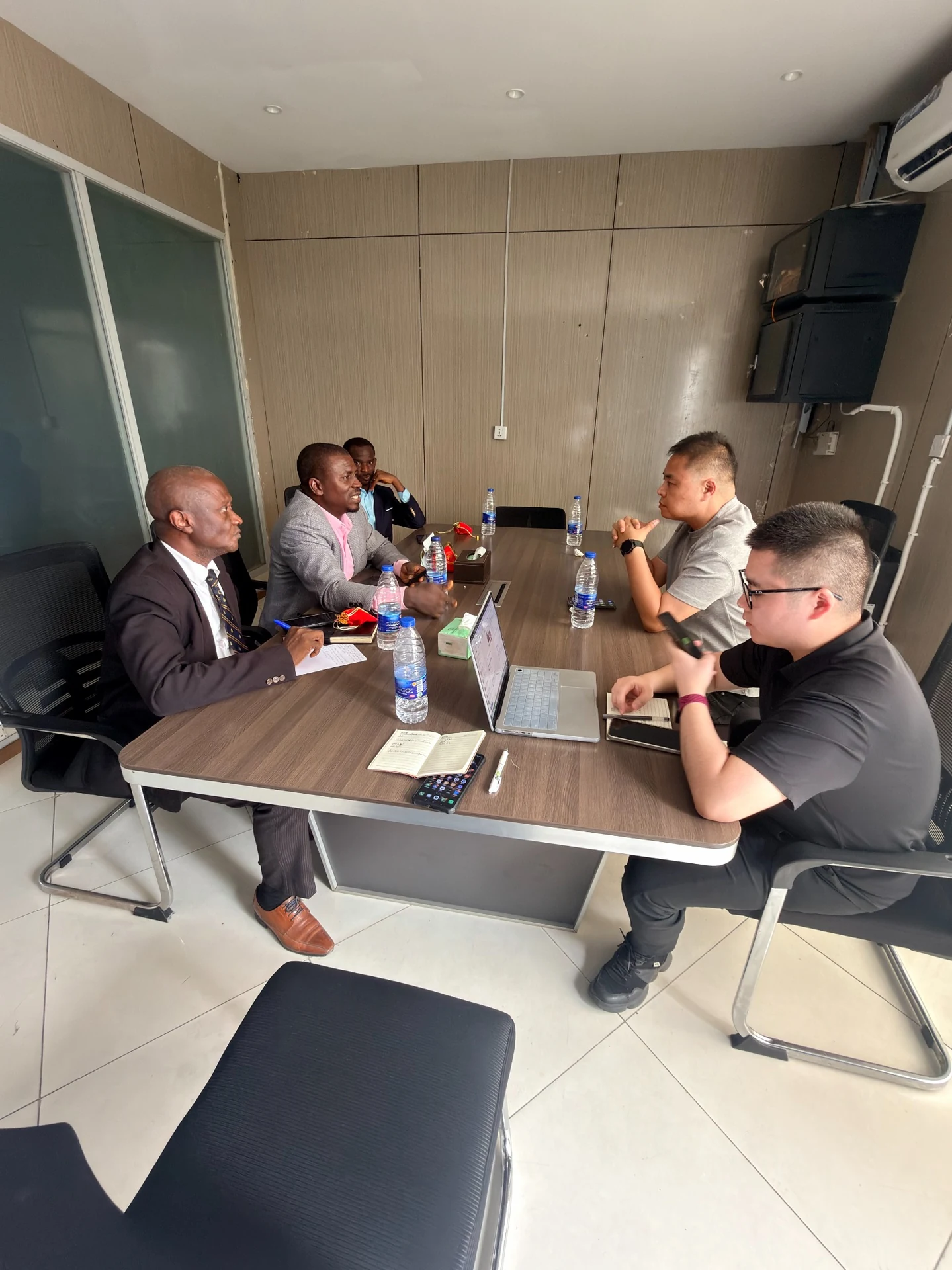
Face-to-face meetings in Lagos and project planning conversations
During meetings connected with the Nigerian market, GREAT FARM representatives and customers exchanged views on livestock and poultry projects. The sessions offered an opportunity to review the customer's expectations, discuss possible next steps and clarify areas where equipment or layout proposals may be needed.
Project discussions are a necessary part of determining what can be supplied and installed in practice. Animal capacity, building dimensions, power supply, feeding and drinking arrangements, and site conditions must be confirmed before a final equipment specification is prepared.
Project status: The images record discussions and planning activity. They do not independently establish equipment quantities, completed installations or production results.
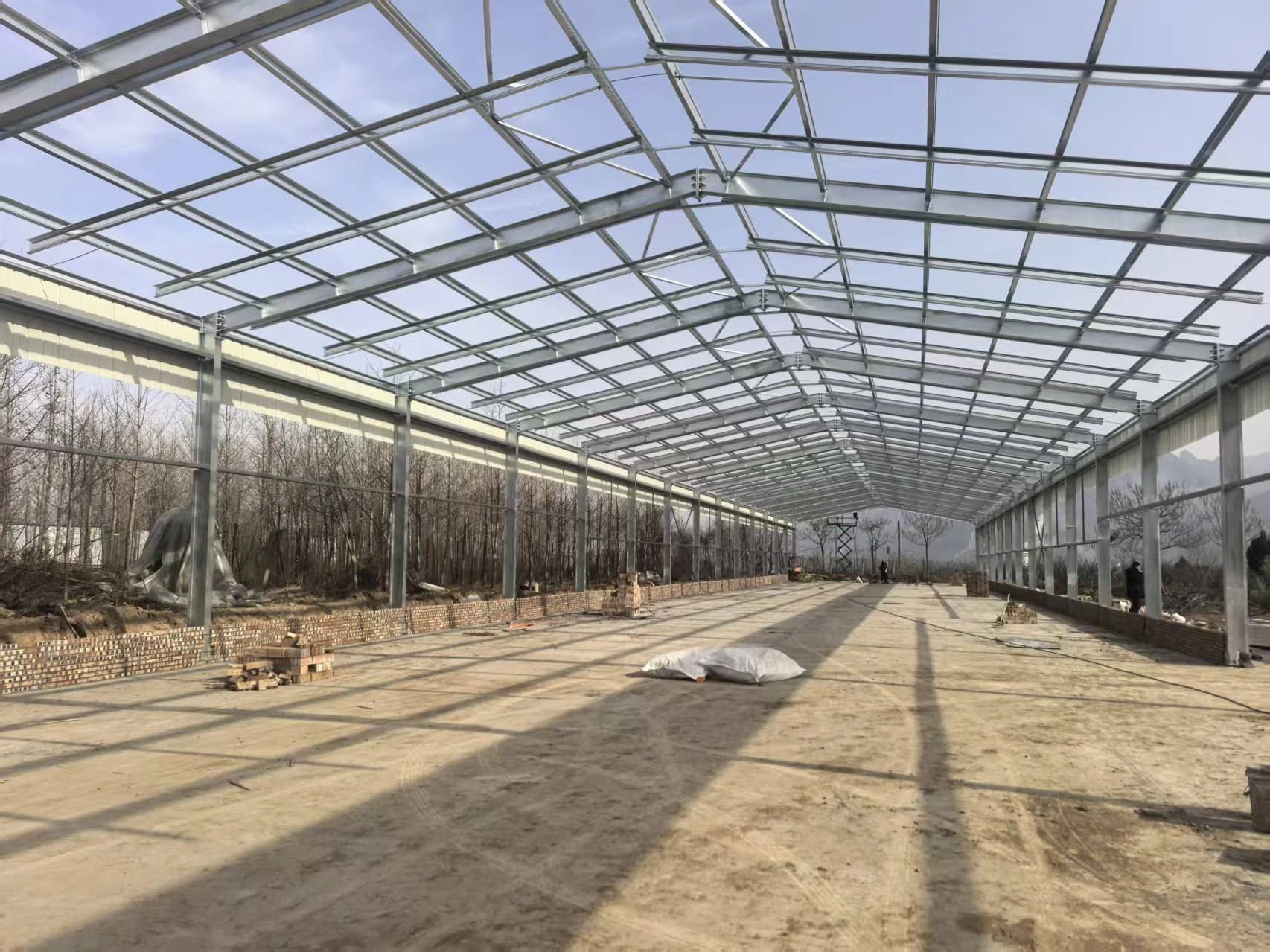
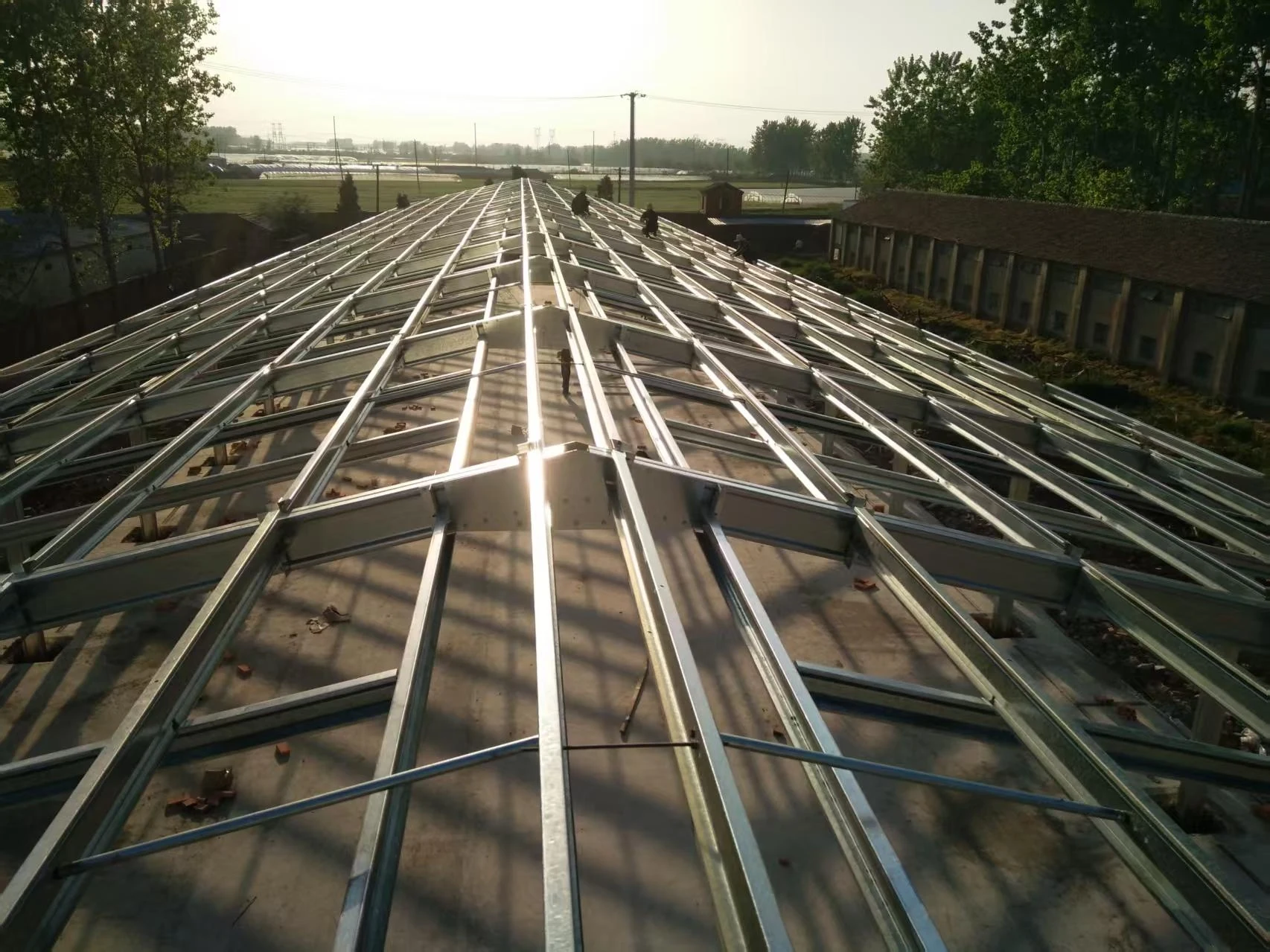
Observing a steel-frame livestock building during construction
The construction photographs show an extensive steel-frame structure at an unfinished building site, including roof trusses, purlins and supporting columns. These images are useful for discussing the relationship between building layout and future farm equipment placement.
For projects of this type, the final structure and internal equipment arrangement must be reviewed together. Roof covering, insulation, ventilation, animal traffic, feed transport, water lines and local structural requirements can affect equipment selection and installation sequencing. Detailed engineering decisions should be based on approved drawings and local standards.
Connecting with distributors and local poultry supply channels
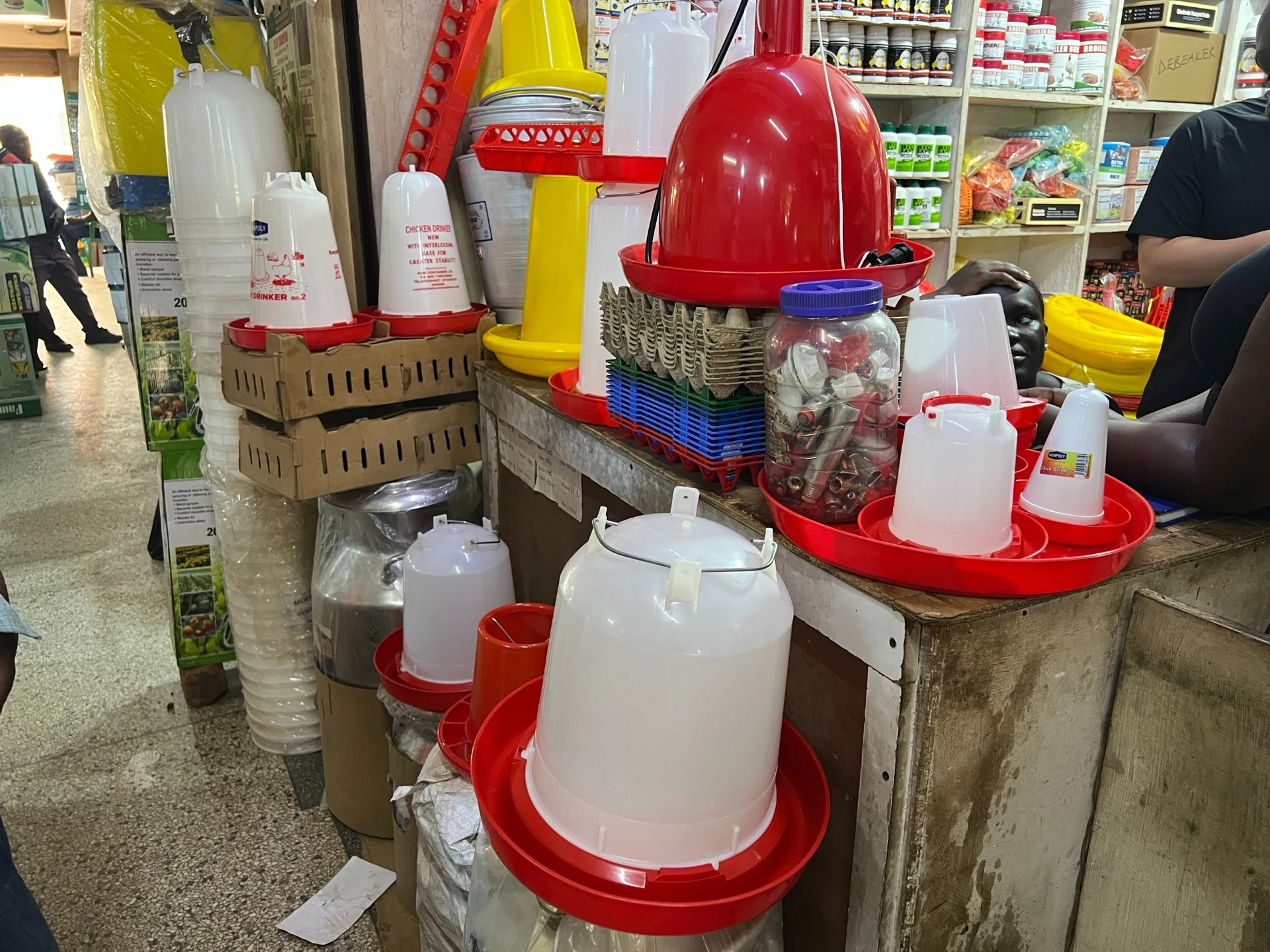
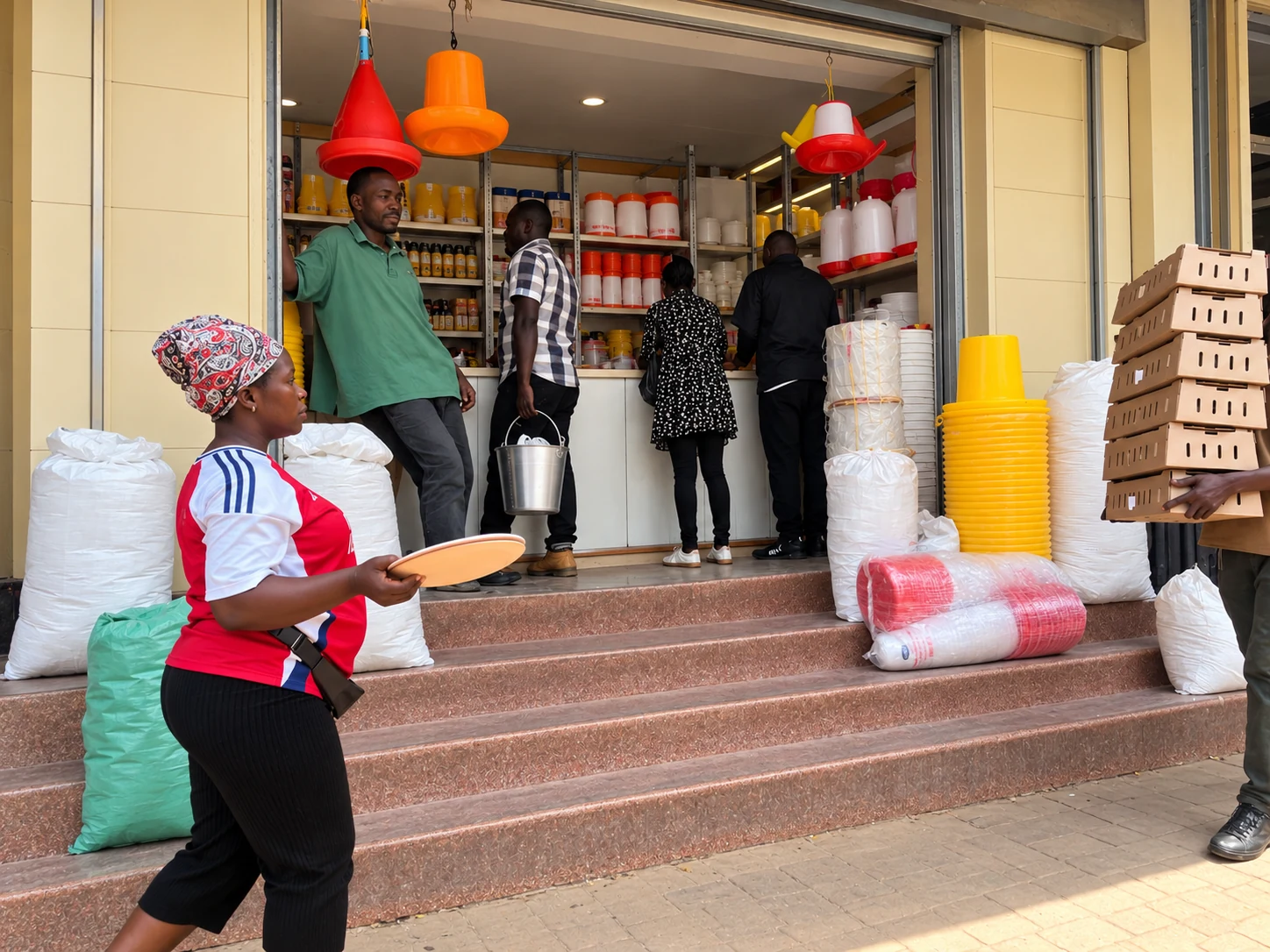
In Uganda, the visit included meetings with local contacts and a look at retail outlets supplying farmers. The store photographs show poultry drinkers, feeders and other farm accessories—everyday products whose sizes, material choices and availability matter to buyers working at different farm scales.
Visiting local shops helps suppliers understand the products that customers ask for, how they are handled and displayed, and what distributors may need in terms of packaging, product ranges and replenishment. Exact capacities and product specifications must be assessed by model rather than inferred from photographs.
From technical conversations to practical cooperation
Customer visits also create space to discuss how cooperation could work beyond an initial product inquiry. These topics can include distributor support, equipment selection, shipping arrangements, installation responsibilities and communication after delivery.
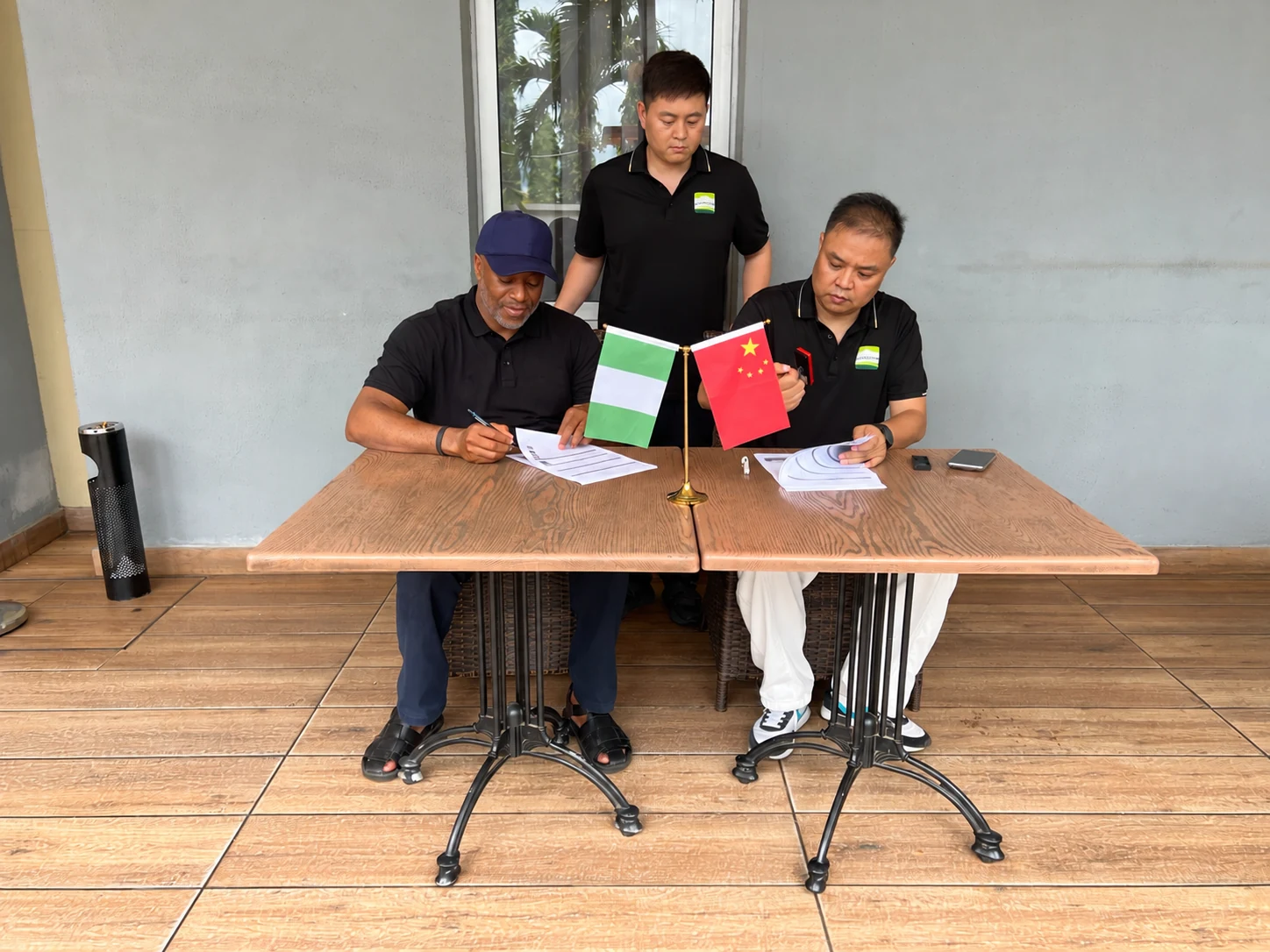
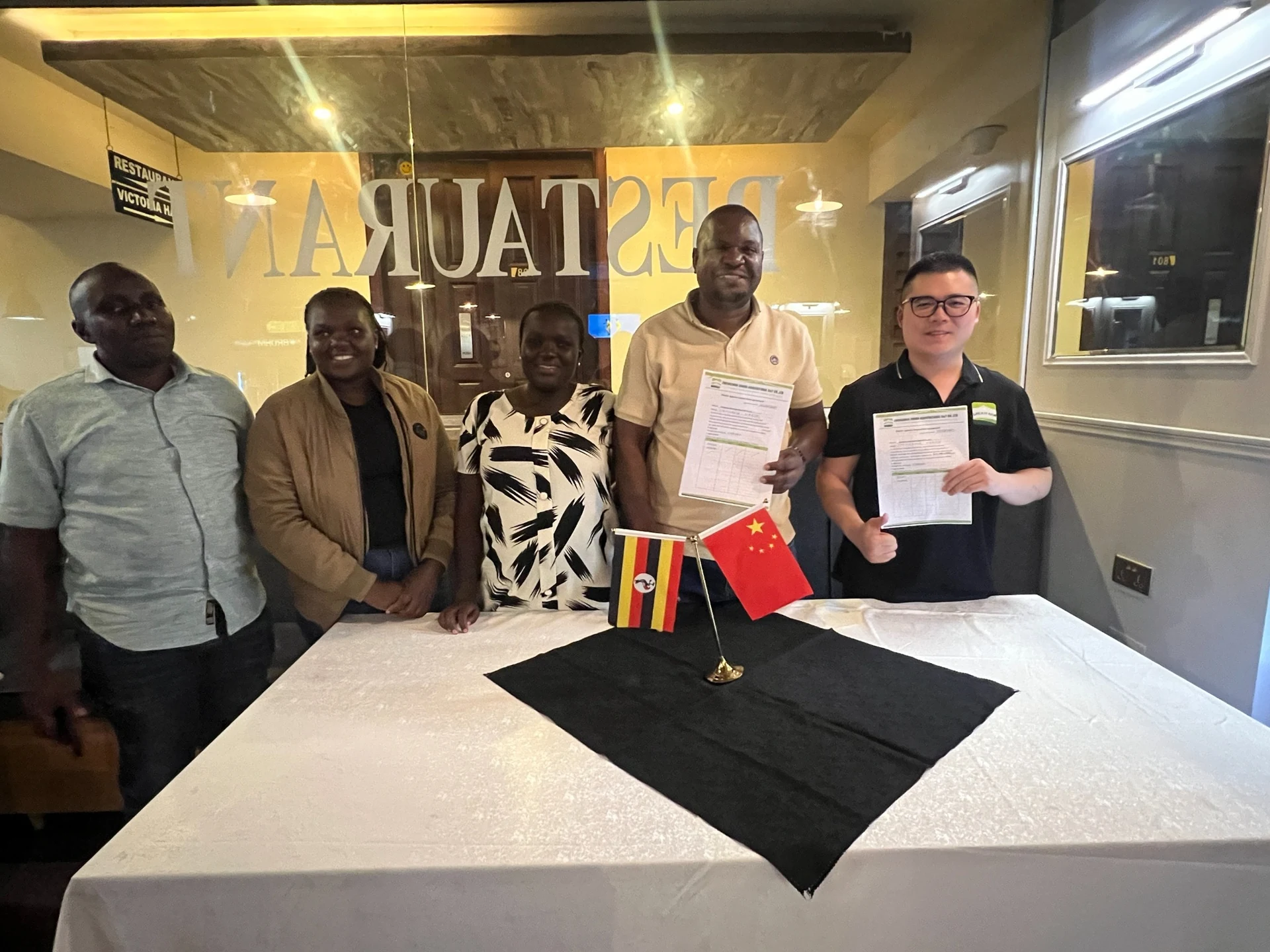
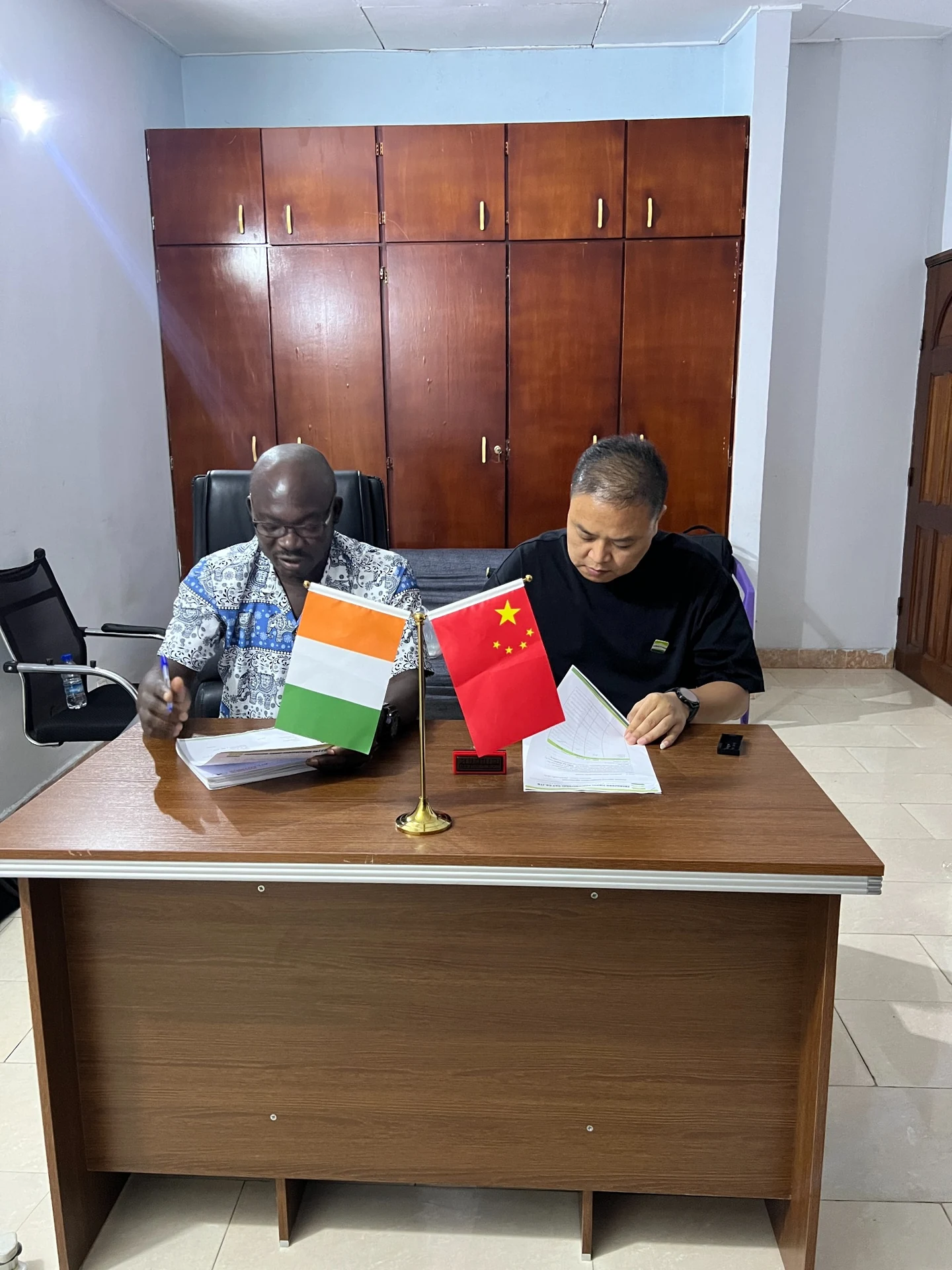
One image records a document-signing occasion during a distributor-related meeting. The photograph is included as a record of business engagement; it is not presented as evidence of any particular contract value, order volume, exclusivity or completed delivery.
GREAT FARM's approach is to assess the requirements of individual farms and partners, then define the technical scope, product selection and delivery arrangements through further discussion.
Building trust through personal connection
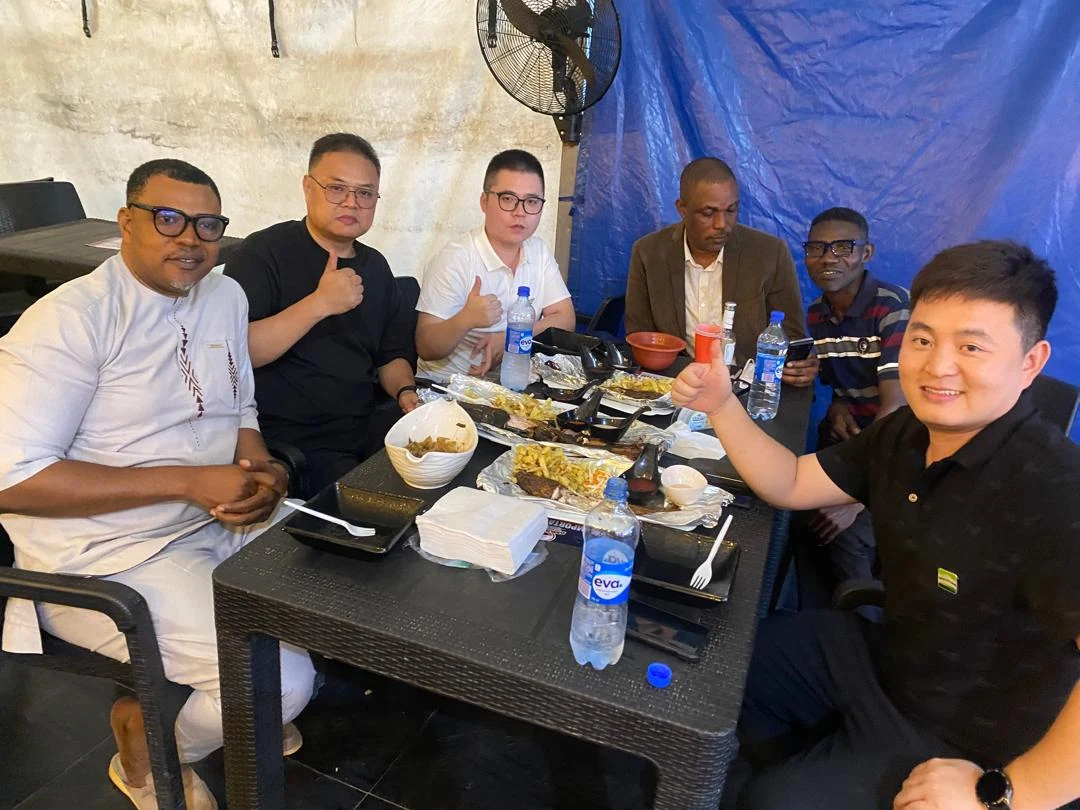
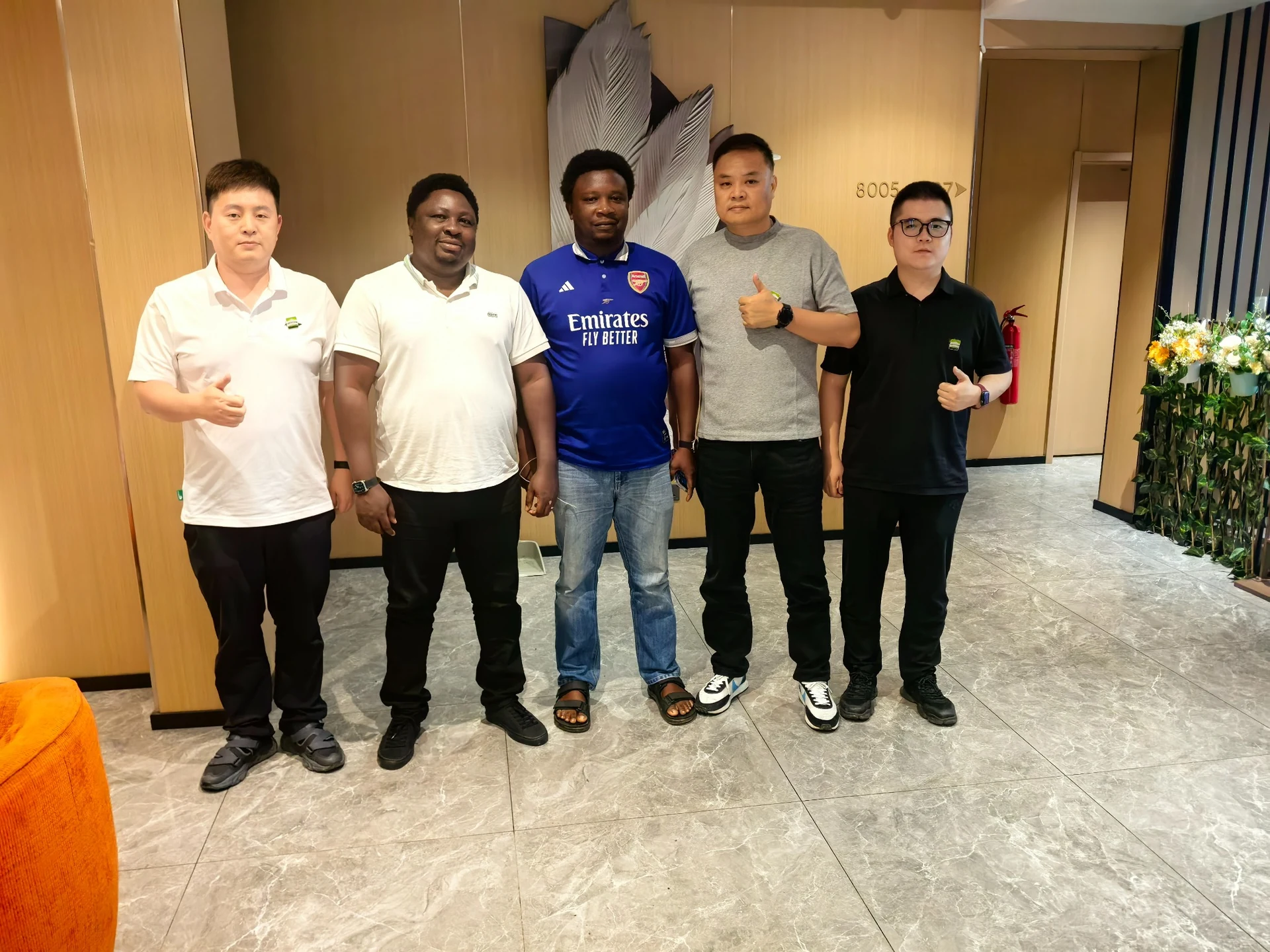
Not every important conversation happens around a conference table. Time spent with customers outside formal meetings offers another opportunity to listen, clarify expectations and build familiarity between teams.
These exchanges are part of the longer process of developing productive business relationships. The next stage for any prospective project remains a careful review of drawings, equipment models, site requirements and an agreed scope of work.
Every farm plan requires its own specification
The visits touched on real situations where farm planning, infrastructure and equipment supply must be considered together. The images identify product categories and construction stages, but do not provide a reliable basis for quoting fixed capacities or performance numbers.
Farm building & structure
Building span, bay spacing, roof and cladding design, local wind requirements and equipment installation clearances are to be checked against engineering drawings.
Poultry farm accessories
Drinkers, feeders and related accessories are selected by animal type, age group, materials, model dimensions and farm management practices.
Project equipment scope
System quantities, feeding layout, water supply, ventilation and installation services should be confirmed only after receiving the customer's project information.
Editorial note: Photographs were supplied for this report. No unverified project capacities, equipment specifications, order values or completion dates are claimed.
Planning a poultry or livestock project in Africa?
Share your country, farm type, target capacity and available layout drawings. Our team can discuss suitable equipment categories, project scope and the technical details needed for a proposal.
Discuss Your Farm Project →About GREAT FARM's African market visits
Which markets are shown in this report?
The supplied photographs identify visits and customer activities associated with Nigeria and Uganda, along with other distributor-related discussions. The images do not establish a complete country-by-country travel itinerary.
Are the farm construction images completed projects?
No. The steel-frame photographs show a building at a construction stage. Completion, ownership, final design and operational performance are not asserted in this report.
What types of equipment are relevant to these meetings?
The retail photographs show poultry feeding and drinking accessories. Farm housing, building layouts and other livestock equipment may be considered during project planning, with final selections depending on the customer's requirements.
Can GREAT FARM prepare a project-specific proposal?
Yes. A practical proposal typically requires the project location, animal type, intended capacity, facility dimensions or drawings, and any known equipment preferences. Final specifications and scope are confirmed during quotation and engineering review.
 Hot News